Drone fishing lets you put a bait exactly where the fish are: past the break, on the edge of a gutter or right beside a reef, far beyond casting range. Done well, it’s one of the most effective ways to target bigger fish from the beach or rocks.
This guide explains drone fishing step by step, from choosing gear and rigging up to reading the water, dropping your bait and landing safely. It also covers the best conditions, common mistakes and the rules for drone fishing in Australia. If you’re still choosing equipment, our guide to the best fishing drone compares models in detail.
What is drone fishing?
Drone fishing uses a drone to carry your line and bait out over the water, then release it at a chosen spot. Your rod and reel stay on the shore, and once the bait drops, you fish as normal.
It suits surf fishing, rock fishing and fishing from boats or jetties. The camera also lets you scout the water from above, spotting gutters, bait schools, reefs and sometimes the fish themselves.
The gear you need for drone fishing
| Gear | What to look for |
|---|---|
| A fishing-capable drone | Waterproof design, payload capacity, wind rating and a bait release |
| Rod and reel | A long rod and large-capacity reel with plenty of line |
| Line | Braid for low drag, often with a mono or fluoro leader |
| Release system | A release designed for your drone, such as a payload release clip |
| Sinkers and rigs | Compact rigs that hang cleanly below the drone |
| Spare batteries | Several batteries for a full session |
| Safety gear | Sun protection, sturdy footwear and a first aid kit |
Choosing a drone
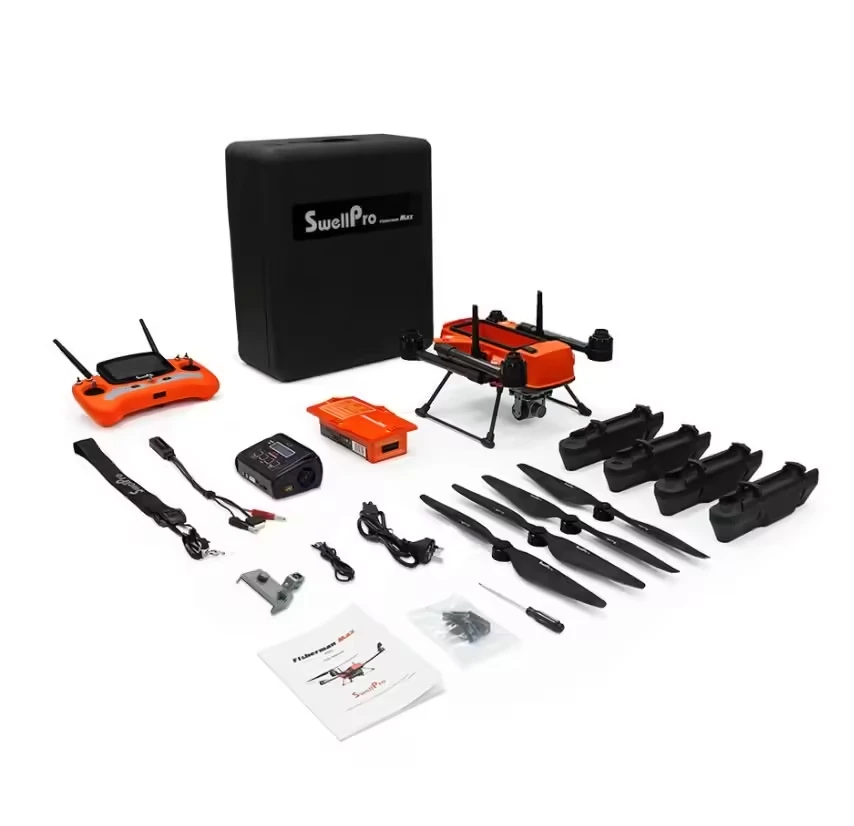
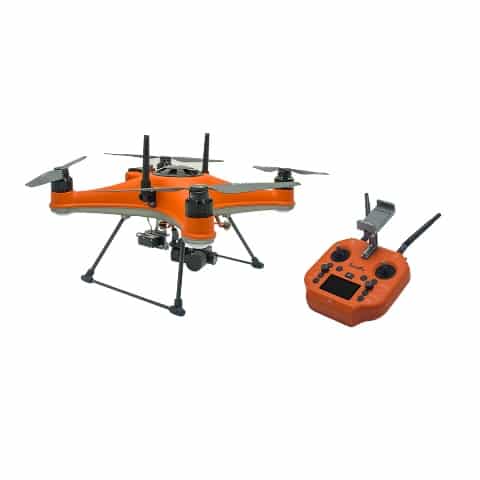
A standard camera drone isn’t suitable for drone fishing. You need a drone built for salt water and payloads. Options in our range include the SwellPro Fisherman MAX Advanced, which carries baits of up to 3.2 kg, the Gannet Pro Plus with up to 3.5 kg of lift, and the SwellPro SplashDrone 4, which carries up to 2 kg and can land on water.
Step 1: Check the conditions
Successful drone fishing starts with the weather. Check wind speed and direction, swell, tide and any storm warnings.
- Wind: compare the forecast with your drone’s wind rating. Offshore winds help the drone out but make the return harder.
- Swell and surf: big seas make launching and landing harder and can affect where fish hold.
- Tide: many anglers prefer moving tides around the change.
- Light: recreational drone flying is limited to daylight, so plan sessions between sunrise and sunset.
Step 2: Choose a safe spot
Pick a quiet stretch of beach or a safe rock platform with room to launch and land. You must stay at least 30 m from other people, so busy beaches are a poor choice. Check local council and park rules, as some areas restrict drones.
Step 3: Rig up
Set up your rod and reel for a long, free-running drop.
- Tie on your leader and rig, keeping it compact.
- Bait up just before the flight so the bait stays fresh.
- Clip the line into the drone’s release mechanism.
- Open the bail or set the reel to free spool with light tension so line pays out smoothly.
- Keep the rod in a sand spike or holder, angled towards the water.
Weigh your full rig and stay well within the drone’s rated payload. Lighter loads mean longer flights and more stable handling.
Step 4: Pre-flight check
- Batteries charged in the drone and controller.
- Propellers secure and undamaged.
- GPS locked and home point recorded.
- Return-to-home height set safely.
- Release mechanism tested without bait.
- Area clear of people within 30 m.
Step 5: Take off and fly out
Lift off smoothly to a safe height, letting line pay out as the drone climbs. Fly out steadily towards your target, keeping an eye on the line and the drone. Avoid sudden movements that could tangle the line.
Use the camera to read the water as you go. This is where drone fishing really shines.
Step 6: Read the water
From above, you can see features that are invisible from the shore.
- Gutters: darker, deeper channels running along the beach, where fish often feed.
- Rips: calmer, darker water flowing out through the surf.
- Reefs and weed beds: darker patches that hold baitfish and predators.
- Bait schools: dark clouds or nervous water near the surface.
- Birds working: a sign of baitfish being pushed to the surface.
Position the drone over the edge of these features rather than the middle. Fish often hold along the boundaries.
Step 7: Drop the bait
When the drone is over your target, trigger the release. The bait falls and the line pulls free. Watch on screen to confirm a clean drop.
If your drone has a camera that tilts, like the Fisherman MAX Advanced, you can watch the bait hit the water and check its position.
Step 8: Fly home and land
Bring the drone back promptly with a healthy battery reserve, especially if you’re flying into a headwind. Land on a clear, flat spot away from sand and spray if possible. A landing pad helps.
Once the drone is safe, close the bail, wind in the slack and set your drag for the fish you’re targeting.
Step 9: Fish, then rinse your gear
Now you’re fishing. Watch the rod tip and be ready for a bite. After the session, rinse the drone, release mechanism, reel and rod in fresh water to remove salt, and dry everything before storing it.
Target species and approaches
Drone fishing is popular for targeting species that feed beyond normal casting range. Common targets from Australian beaches and rocks include snapper, mulloway, tailor, salmon and large pelagic fish, depending on the region and season.
- Deep gutters and holes: drop baits along the edges for species that patrol these channels.
- Reef edges: place baits beside structure where predators ambush baitfish.
- Bait schools: drop near the edge of the school rather than into the middle.
- Sand flats: fresh baits on clean sand can attract fish moving through.
Always check your state’s bag limits, size limits and any species-specific rules. Some species and areas have special protections.
Choosing baits and rigs for drone fishing
Your rig matters as much as your drone. A few principles make drone fishing more reliable.
- Keep rigs compact. Long, trailing rigs can tangle during flight.
- Use fresh, firm baits. Soft baits can tear free when dropped.
- Match sinker weight to current. Heavier sinkers hold in strong water but add to payload.
- Use strong hooks and leaders suited to the species you’re targeting.
- Secure the bait with elastic thread or bait-holding hooks so it survives the drop.
Rock fishing safety
Rock fishing is one of the most dangerous outdoor activities in Australia. A drone can reduce the need to stand right at the edge to cast, but the risks remain.
- Never turn your back on the ocean.
- Wear a lifejacket and suitable non-slip footwear.
- Check swell forecasts and avoid exposed platforms in big seas.
- Launch and land well back from the wash zone.
- Fish with a friend and tell someone your plans.
Drone fishing from a boat
Fishing from a boat with a drone can help you find bait schools, birds and surface activity across a wide area. A drone that can land on water, such as the SwellPro SplashDrone 4, is far safer when launching and recovering from a moving deck.
Plan how you’ll recover the drone before you launch, keep the drone within sight, and remember that home points can shift as the boat moves. Practise launches and landings in calm conditions first.
Drone fishing etiquette
Drone fishing is still new to many beachgoers. Good etiquette keeps everyone happy and protects access to fishing spots.
- Fish away from swimmers, surfers and other anglers.
- Explain what you’re doing if people are curious.
- Avoid flying over other people’s lines.
- Keep noise to a minimum in quiet areas.
- Take all rubbish, line and packaging home.
Filming your catch
Many fishing drones carry cameras, so you can record the drop, the hook-up and the fight from above. Footage of the water also helps you learn which features produce fish. Our guide to the best action camera covers cameras you can mount on a rod or cap for ground-level footage.
Planning a drone fishing session
A little planning makes every session smoother and more productive.
- Pick your spot the day before using maps and recent reports, and check drone and fishing rules for the area.
- Time it with the tide and the best light, keeping within daylight hours.
- Charge everything the night before: drone batteries, controller, phone and any lights for the walk out.
- Prepare rigs in advance so you can bait up and fly quickly.
- Pack a checklist of drone gear, fishing tackle, safety items, food and water.
- Arrive early to find a quiet stretch and set up before others arrive.
Battery management on the beach
Batteries are the limiting factor in drone fishing. Each flight with a heavy bait uses a lot of power, and wind makes it worse.
- Start each flight with a fully charged battery.
- Plan to return with a healthy reserve rather than flying until the alarm sounds.
- Keep spare batteries in a cool, shaded bag, away from sand and water.
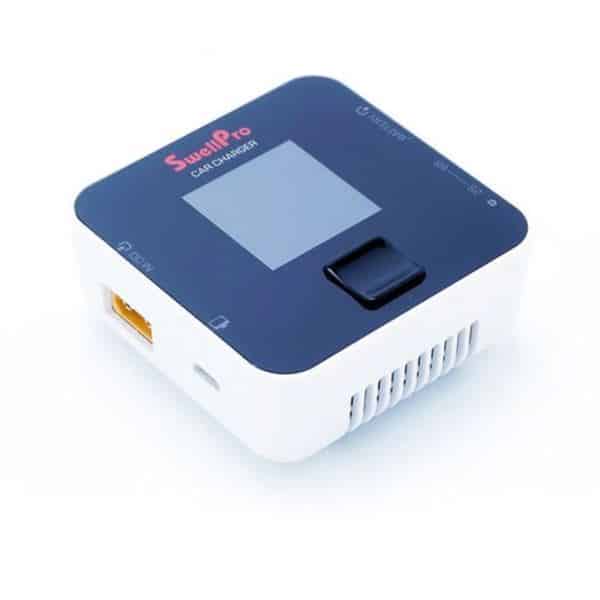
- Use a car charger, such as the SwellPro smart car charger, to recharge between spots.
- Let hot batteries cool before charging them.
Reading the weather for drone fishing
Wind is the biggest factor. A light onshore breeze is usually manageable, while strong offshore winds can make the return flight difficult. Gusty conditions are harder than steady wind, so watch for gust warnings in the forecast.
Swell and surf affect both fishing and flying. Big surf makes launching and landing harder and can push fish into different areas. Calmer days are better for learning drone fishing, while experienced anglers may target rougher conditions for certain species.
Learning to fish with a drone: a practice plan
If you’re new, build skills in stages before heading to a busy beach.
- Fly without a load in an open area to learn the drone’s controls and return-to-home.
- Practise with a sinker to feel how the drone handles under weight.
- Test the release over grass or sand, checking the line runs free.
- Try a short drop over calm water close to shore.
- Extend the distance gradually while keeping the drone clearly in sight.
- Add bait and fish once each step feels routine.
Taking it step by step builds confidence and reduces the risk of losing gear.
Looking after your gear
Salt water is tough on equipment, even waterproof drones. After every session:
- Rinse the drone, release, rod and reel in fresh water.
- Dry everything thoroughly before storing.
- Check motors and props for sand or grit.
- Inspect the release mechanism and replace worn clips.
- Store batteries at the recommended storage charge.
Well-maintained gear lasts longer and performs better on the water.
Drone fishing tips for better results
- Practise with a sinker first to learn how the drone handles under load.
- Use braid to reduce line drag on the drone.
- Plan each flight so you’re not hovering and wasting battery.
- Rotate batteries and let them cool before charging.
- Keep a log of tides, conditions and catches to spot patterns.
- Watch for birds that may investigate the drone or bait.
Common drone fishing mistakes
| Mistake | How to avoid it |
|---|---|
| Overloading the drone | Weigh the rig and stay within the payload limit |
| Line tangles on take-off | Use free spool with light tension and fly smoothly |
| Running out of battery | Return with a reserve, especially into wind |
| Flying near people | Choose quiet beaches and keep 30 m away |
| Skipping the rinse | Salt corrodes motors and connectors, so rinse after every session |
Drone fishing rules in Australia
Drone fishing must follow CASA’s drone rules. Most fishing drones weigh more than 250 g, so the rules for heavier drones apply.
- Fly no higher than 120 m above ground level.
- Keep the drone within your visual line of sight.
- Stay at least 30 m from people and never fly over them.
- Fly only during the day.
- Stay at least 5.5 km from controlled aerodromes.
- Don’t create a hazard when releasing your bait.
Fishing rules, including bag and size limits, are set by each state and territory, and some areas have specific restrictions. Check CASA’s drone rules, your state’s fishing regulations and local signage before you go. Our CASA drone rules guide explains the drone side in more detail.
Accessories for drone fishing
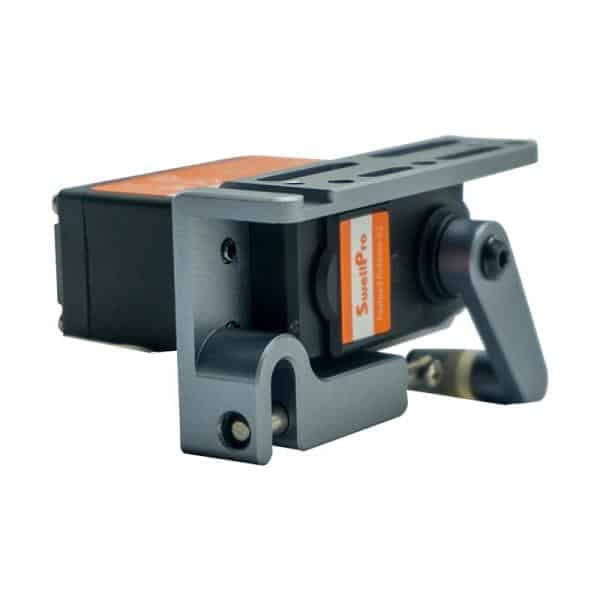
- Payload releases such as the SplashDrone 4 PL1-S payload release.
- Spare batteries like the SplashDrone 4 battery.
- A car charger such as the SwellPro smart car charger.
- A protective case for the drive to the beach.
Drone fishing FAQ
Is drone fishing legal in Australia?
Drone fishing is generally allowed if you follow CASA’s drone rules and your state’s fishing regulations. Some beaches, parks and marine areas restrict drones, so check local rules first.
What’s the best drone for drone fishing?
A purpose-built, waterproof fishing drone with a strong payload and wind rating. The SwellPro Fisherman MAX Advanced is our top pick. See our best fishing drone guide for more.
How far can I take my bait with a drone?
Purpose-built drones can carry baits hundreds of metres out. The Fisherman MAX Basic listing describes carrying baits of up to 3.2 kg more than 500 m. You must keep the drone within sight at all times.
Can I go drone fishing at night?
Not under CASA’s standard operating conditions. Recreational drone flying is limited to daylight hours.
What line is best for drone fishing?
Braid is popular because it’s thin and light, reducing drag on the drone. Many anglers add a mono or fluorocarbon leader for abrasion resistance.
How many drops can I do per battery?
It depends on bait weight, distance and wind. SwellPro rates the Fisherman MAX for up to six drops of 2 kg baits over 400 m per charge, but heavier baits or strong wind reduce that.
Do I need a licence for drone fishing?
Not for recreational drone fishing, but you must follow CASA’s rules and hold any recreational fishing licence your state requires. Commercial charter work has extra CASA requirements.
Can beginners try drone fishing?
Yes. Start by learning to fly the drone without a load, practise drops with a sinker, then add bait once you’re confident. Choosing a quiet beach and calm conditions makes the first sessions much easier.
Start drone fishing with Drones Direct
Drone fishing puts your bait where the fish are and turns a good day on the beach into a great one. Choose a purpose-built drone, rig up carefully, read the water from above and always fly within the rules.
Browse our waterproof and fishing drones, explore the SwellPro Fisherman MAX range or visit the drone shop.