The best FPV drone for you depends on where you are in your flying journey. A complete beginner needs something forgiving with a safety net, a creator wants smooth, stable footage, and an experienced pilot wants raw agility for freestyle. Pick the wrong one and you’ll either crash constantly or outgrow it in a month.
This guide matches the best FPV drone to five types of pilot, using the FPV drones in the Drones Direct range. It explains ready-to-fly kits versus bind-and-fly quads, the gear you need, what to look for and the Australian rules for flying with goggles.
How to choose the best FPV drone
Before looking at models, answer three questions. They narrow the choice quickly.
- What’s your experience? Newcomers need assisted modes and an emergency brake. Experienced pilots want full manual control.
- What do you want to film or do? Freestyle, cinematic shots, scenic cruising and indoor flying all suit different drones.
- Do you already own goggles and a radio? If not, a ready-to-fly kit is simpler. If you do, a bind-and-fly quad may be better value.
Key features to compare
- Frame size. Smaller ducted drones suit close-up and indoor-style shots. 5-inch drones suit freestyle and racing.
- Video system. Digital HD systems, such as DJI and Caddx digital, give a sharp, low-latency view.
- Flight modes. Assisted modes help beginners; acro mode delivers full control.
- Durability and spares. FPV drones crash, so tough frames and available parts matter.
- Flight time. Freestyle flights are short; efficient long-range builds fly longer.
- Weight. Lighter drones carry less energy in a crash, while heavier drones handle wind better.
The 5 best FPV drone picks at a glance
| Pick | Best FPV drone for | Type | Why |
|---|---|---|---|
| DJI FPV Combo | Beginners | Ready-to-fly kit | Assisted modes and emergency brake |
| iFlight ProTek35 CineWhoop | Smooth cinematic shots | 3.5-inch ducted | Prop guards for close flying |
| iFlight TP X5 HD | Learning freestyle | 5-inch bind-and-fly | Digital HD, value entry into 5-inch |
| iFlight Chimera5 LR HD | Scenic cruising | 5-inch long-range | Efficient, long flight times |
| iFlight Titan XL5 | Experienced freestyle | 5-inch bind-and-fly | Tough freestyle frame |
1. DJI FPV Combo: the best FPV drone for beginners
The DJI FPV Combo is the best FPV drone for newcomers because it includes everything you need: the drone, DJI FPV Goggles V2 and a remote controller. It offers Normal, Sport and Manual modes, so you can start with a drone that hovers in place and progress to full acro control.
The emergency brake stops and hovers the drone at the press of a button, a valuable safety net while you learn. DJI quotes 4K/60fps video and a top speed of up to 140 km/h in Manual mode. Read our full DJI FPV review for more detail.
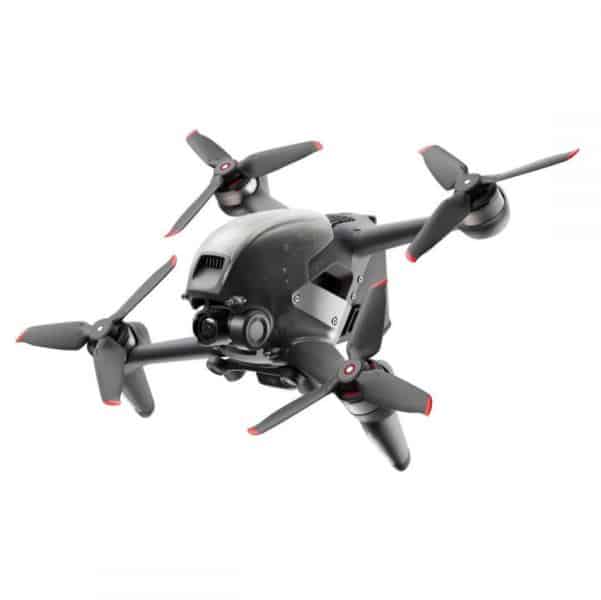
Consider: at a little under 800 g it’s heavier than hobby quads, so crashes cost more and stricter rules apply near controlled aerodromes.
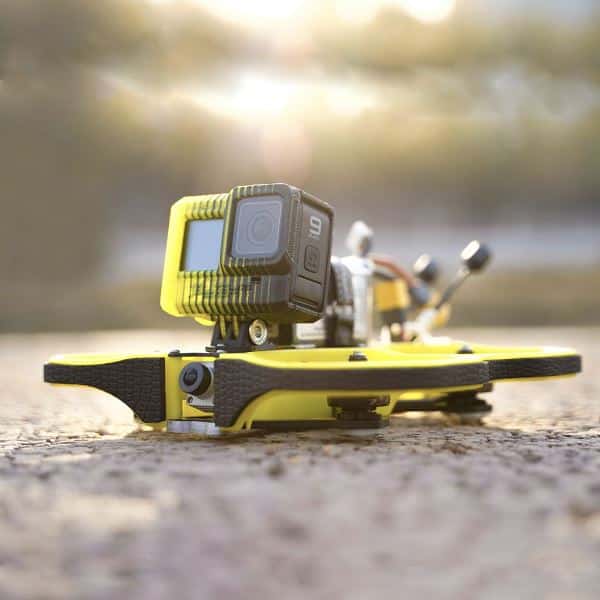
2. iFlight ProTek35 CineWhoop: the best FPV drone for smooth shots
The iFlight ProTek35 CineWhoop is a 3.5-inch ducted drone built for smooth, cinematic footage close to subjects. The ducts protect the props, making it the best FPV drone for flying through buildings, around cars or along tight paths.
The listing describes up to 750 g of thrust per motor and a GPS-measured top speed above 120 km/h, so it has plenty of power to carry an action camera. It uses a Caddx digital HD system that works with compatible DJI goggles.
3. iFlight TP X5 HD: the best FPV drone for learning freestyle
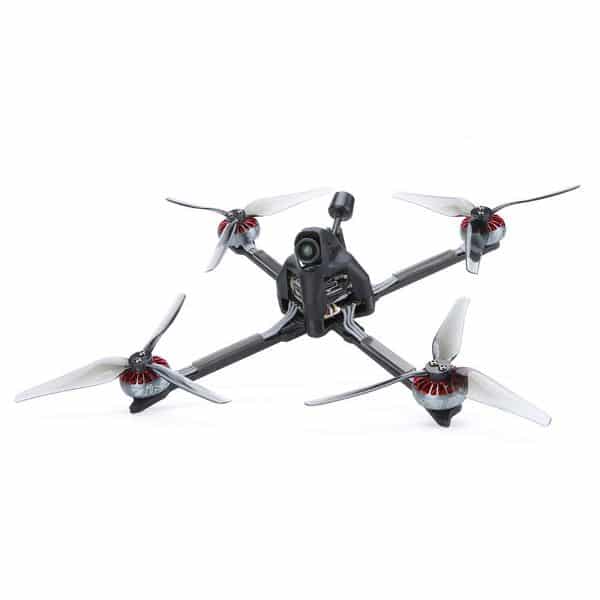
The iFlight TP X5 HD is a 5-inch bind-and-fly quad with a Caddx Nebula Nano digital HD system. It’s a value way into 5-inch freestyle for pilots who’ve practised on a simulator and own compatible goggles and a radio.
5-inch quads are the most popular size for freestyle, offering a balance of speed, agility and durability.
4. iFlight Chimera5 LR HD: the best FPV drone for scenic cruising
The iFlight Chimera5 LR HD is a pre-tuned 5-inch long-range quad built for efficiency. Its listing notes flight times above 25 minutes with a suitable lithium-ion pack and no action camera, far longer than a typical freestyle quad.
In Australia, you must keep the drone within visual line of sight of you or your observer, so long-range flying is limited. But efficient cruising over beaches, farmland and hills within sight is where the Chimera5 shines.
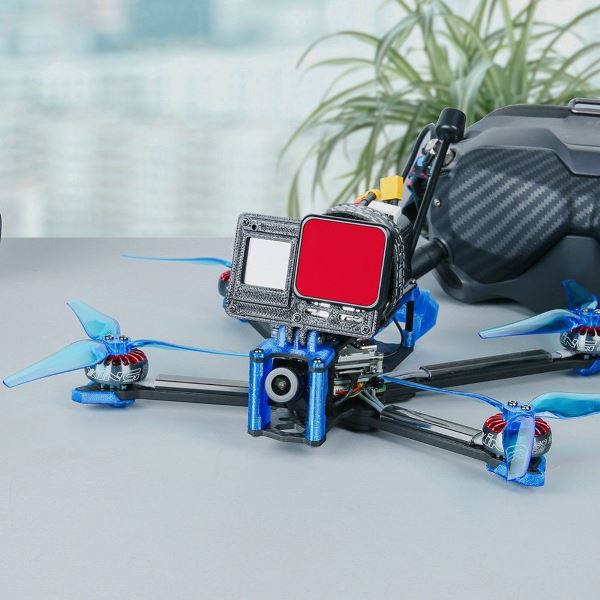
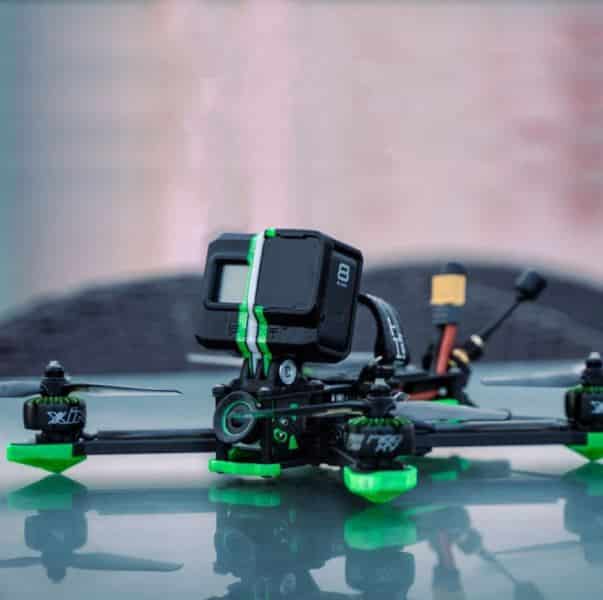
5. iFlight Titan XL5: the best FPV drone for experienced freestyle
The iFlight Titan XL5 is a 5-inch freestyle quad with a Caddx digital air unit. It suits experienced pilots who want a tough frame for hard-hitting freestyle sessions.
If you’re already confident in acro mode and own your own radio and digital goggles, the Titan XL5 is a strong choice.
Ready-to-fly vs bind-and-fly
| Ready-to-fly (RTF) | Bind-and-fly (BNF) | |
|---|---|---|
| What’s included | Drone, goggles and controller | Drone only |
| Best for | Beginners | Pilots with their own gear |
| Setup | Minimal | Bind to your radio and goggles, check settings |
| Example | DJI FPV Combo | iFlight TP X5 HD |
If you’re buying your first FPV setup, a ready-to-fly kit avoids compatibility headaches. Once you know what you like, bind-and-fly drones let you expand your fleet without buying new goggles each time.
Goggles and gear you’ll need
The best FPV drone is only half the setup. You’ll also need the right goggles, controller, batteries and charger.
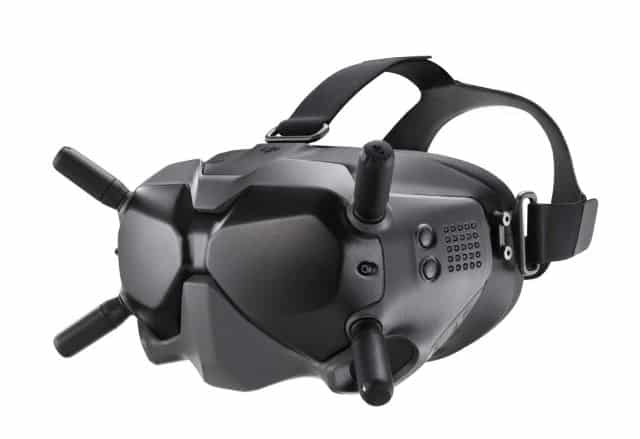
- Goggles: the DJI FPV Goggles V2 work with DJI FPV and compatible Caddx digital systems. Other options include SwellPro FPV Goggles.
- Controller: a radio that matches your drone’s receiver protocol.
- Batteries: several packs of the right cell count and connector.
- Charger: a quality balance charger and safe charging bag.
- Spares: propellers, screws and spare parts for quick repairs.
- Simulator: for practising acro without risk.
How to learn FPV
- Practise on a simulator until hovering and smooth turns in acro mode feel natural.
- Start with assisted modes on a ready-to-fly kit if you have one.
- Fly in a large open space with an observer beside you.
- Learn basic maintenance so you can fix props and minor damage.
- Join a club for advice, safe fields and observers.
Our beginner guide to what is an FPV drone covers the basics in more depth.
FPV flying styles explained
Knowing which style appeals most helps you pick the right aircraft.
Freestyle
Freestyle is about flow and tricks: flips, rolls, dives and gaps, often around trees, buildings or terrain. It demands acro skills and a tough 5-inch quad.
Cinematic
Cinematic FPV focuses on smooth, sweeping shots for film, real estate and tourism. Cinewhoops excel indoors and close to subjects, while 5-inch drones handle bigger outdoor shots. Many pilots carry an action camera for higher-quality footage; see our guide to the best action camera.
Racing
Racing pilots fly lightweight quads through gates at high speed. It’s a club and event-based discipline that rewards precision and quick reflexes.
Cruising
Cruising means flying efficiently over landscapes, enjoying the view. Efficient long-range builds and larger batteries help, but in Australia you must stay within visual line of sight.
Budgeting for FPV
The aircraft is only part of the cost. When budgeting, include:
- Goggles and a controller if you don’t already own them.
- Batteries, usually at least three to five for a session.
- A balance charger and safe charging bag.
- Spare propellers and parts, because crashes are part of learning.
- A simulator for practice.
- A case or backpack to protect your gear.
A ready-to-fly kit bundles the essentials, while bind-and-fly drones can be cheaper if you already have goggles and a radio.
Battery safety
FPV batteries deliver huge bursts of power and store a lot of energy. Treat them with care.
- Charge on a non-flammable surface and never leave batteries charging unattended.
- Use a balance charger set to the correct cell count.
- Let batteries cool before recharging after a flight.
- Store batteries at storage voltage when you won’t fly for a few days.
- Retire any battery that is swollen, punctured or damaged.
- Transport batteries in a protective bag.
Maintenance and repairs
Crashes are inevitable, so learning basic maintenance keeps you flying.
- Check props after every flight and replace any that are chipped or bent.
- Tighten screws regularly, as vibration loosens them over time.
- Inspect motors for debris, especially after flying in sand or grass.
- Check the camera and antennas for damage after crashes.
- Keep firmware updated on flight controllers and video systems where recommended.
Ready-to-fly kits like the DJI FPV have replaceable shells and parts, while bind-and-fly quads use standard components that experienced pilots can repair themselves.
Common beginner mistakes
- Skipping the simulator. Jumping straight into acro mode outdoors usually ends in a crash.
- Flying too close to obstacles too soon. Build skills in open space first.
- Ignoring battery voltage. Flying a battery too low damages it and risks a sudden drop.
- Forgetting the observer. CASA requires one when you fly with goggles.
- Buying the fastest drone first. Start with something forgiving and step up.
Where to fly FPV
The best FPV drone needs the right space. Look for large open areas away from people, roads and airports.
- Private land with permission.
- Model aircraft club fields, which often welcome FPV pilots.
- Open countryside, keeping the drone within sight of your observer.
Avoid busy parks and beaches, and check national park and council rules before flying.
Digital video systems explained
The video system decides how clearly you see the world through your goggles. Most modern FPV pilots choose digital systems for their sharp image.
| System type | Image quality | Latency | Notes |
|---|---|---|---|
| Analogue | Lower, can be grainy | Very low | Cheap and widely used for racing |
| DJI digital | Sharp HD | Low | Used by the DJI FPV and compatible goggles |
| Caddx digital (Vista, Polar, Nebula) | Sharp HD | Low | Used on many iFlight drones, compatible with DJI digital goggles |
If you start with the DJI FPV Combo, its Goggles V2 can also be used with compatible Caddx digital drones later, which makes upgrading easier.
Choosing a radio controller
If you buy a bind-and-fly FPV drone, you’ll need a radio controller that matches its receiver. Look for:
- Protocol compatibility with the drone’s receiver.
- Comfortable gimbals with smooth, adjustable sticks.
- Simulator support via USB so you can practise on a computer.
- Range and reliability suited to the flying you’ll do.
- Switches for arming, modes and beepers.
A good radio can last for years and move with you as you upgrade drones.
Upgrading over time
Most pilots own several drones as they progress. A common path looks like this:
- Start with a ready-to-fly kit or a simulator plus a small, forgiving drone.
- Add a cinewhoop for smooth, close-up shots and safer flying near objects.
- Move to a 5-inch freestyle quad once acro mode feels comfortable.
- Add a long-range or cinematic build for scenic flights and filming.
Choosing compatible goggles and a quality radio early means each new FPV drone simply binds to the gear you already have.
Tips for better FPV footage
- Fly smooth lines rather than constant corrections.
- Use the terrain to add drama, such as ridgelines, dunes and tree lines.
- Plan reveals by flying over or around obstacles to unveil the scene.
- Mount an action camera securely if you want higher-quality footage.
- Shoot in good light for the clearest images.
- Keep it legal by staying 30 m from people and within your observer’s sight.
Weather and conditions
Wind, rain and temperature all affect FPV flying. Light drones and cinewhoops struggle in strong wind, while heavier 5-inch quads cope better. Rain and moisture can damage electronics, so fly only in dry conditions.
Cold weather reduces battery performance, so keep packs warm before flying. On hot days, give motors and batteries time to cool between flights, and avoid leaving batteries in a hot car.
Safety around people and property
FPV drones are fast and powerful, and propellers can cause serious injuries. Always:
- Keep at least 30 m from people not involved in your flight.
- Never fly over people, roads or crowds.
- Disarm the drone before approaching it.
- Keep fingers and faces clear of props when arming.
- Respect privacy and property when filming.
A responsible approach keeps flying spots open and protects the hobby for everyone.
Joining the FPV community
FPV has a friendly, active community. Local clubs, online forums and social media groups share tips, tune settings, organise meet-ups and help with repairs. Flying with others also makes it easy to find an observer, which you need for legal goggle flying in Australia.
FPV rules in Australia
FPV is legal for recreational flying, but goggles prevent you seeing the drone directly. CASA requires a competent observer beside you who keeps the drone in sight. All the standard rules still apply, including staying below 120 m, keeping 30 m from people and flying in daylight. Drones over 250 g must stay 5.5 km from controlled aerodromes.
Check CASA’s drone rules and our CASA drone rules guide before you fly.
Best FPV drone FAQ
What is the best FPV drone for beginners?
The DJI FPV Combo is the best FPV drone for most beginners because it includes everything you need and offers assisted modes plus an emergency brake.
What size FPV drone should I buy?
Ducted 3 to 3.5-inch cinewhoops suit smooth, close-up shots, while 5-inch drones are the most popular size for freestyle and racing.
Do I need goggles to fly FPV?
Yes, FPV is flown through goggles or a screen showing the live feed. In Australia, a competent observer must keep the drone in sight while you wear goggles.
What does BNF mean?
Bind-and-fly. The drone comes without goggles or a controller, so you pair it with your own compatible equipment.
How long do FPV drones fly?
Freestyle flights are usually short, often just a few minutes. Efficient long-range builds like the Chimera5 LR HD can fly much longer with suitable batteries.
Which FPV drone is best for filming?
For smooth, close-up footage, a cinewhoop like the iFlight ProTek35 is ideal. For big, dynamic outdoor shots, a 5-inch FPV drone carrying an action camera works well.
Is FPV legal in Australia?
Yes, for recreational flying, as long as you follow CASA’s rules and have an observer keep the drone in sight while you wear goggles.
Should I buy a cheap FPV drone first?
A small, forgiving drone and a simulator are a great way to learn. Very cheap toys rarely fly like real FPV quads, so they don’t build the right skills. A ready-to-fly kit or a well-built bind-and-fly drone is usually better value.
Can I fly FPV indoors?
Small, ducted drones are well suited to indoor flying in large spaces, with permission. Keep clear of people and fragile objects, and follow any venue rules.
Find the best FPV drone at Drones Direct
The best FPV drone is the one that matches your skills and goals. Start with the DJI FPV Combo if you’re new, choose the ProTek35 for smooth cinematic shots, the TP X5 HD to learn freestyle, the Chimera5 LR HD for scenic cruising or the Titan XL5 if you’re already confident.
Browse our full FPV drones range or visit the drone shop.