How much weight can a drone carry? The honest answer is: it depends entirely on the drone. A small camera drone is designed to carry only its own camera, a fishing drone can lift a few kilograms of bait, and a heavy-lift delivery drone can carry tens of kilograms across rough country.
This guide explains how much weight can a drone carry across eight real examples, what limits drone payload, how payload affects flight time and stability, and the rules you need to know before you carry anything. Every figure comes from manufacturer specifications or product listings.
How much weight can a drone carry? Quick answer
| Type of drone | Typical drone payload | Example |
|---|---|---|
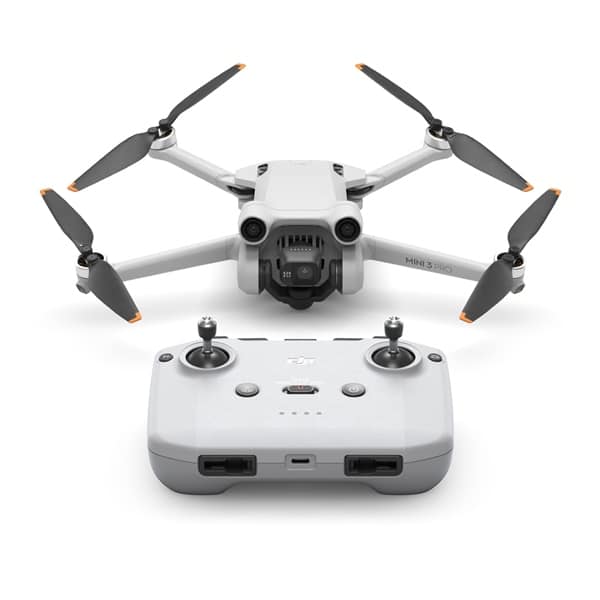
| Sub-250 g camera drone | No extra payload; built to carry its camera only | DJI Mini 3 Pro |
| Waterproof drone with release | Up to around 2 kg | SwellPro SplashDrone 4 |
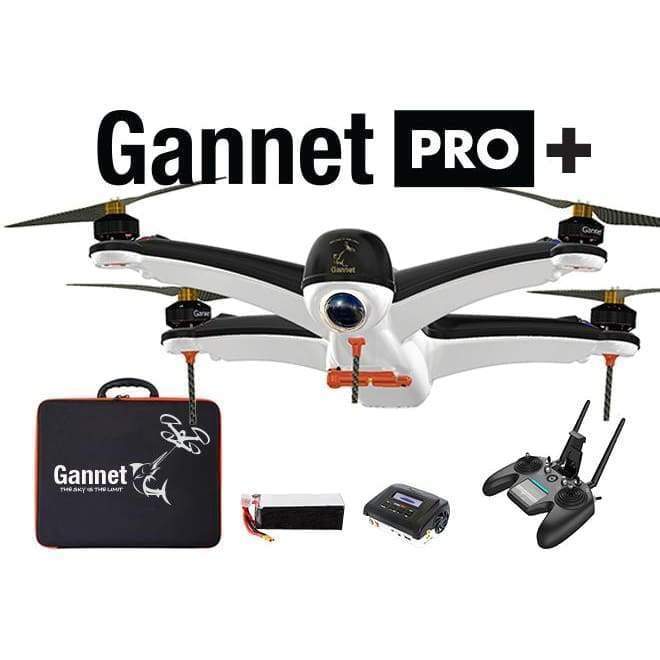
| Fishing drone | Up to around 3 to 3.5 kg | Gannet Pro Plus |
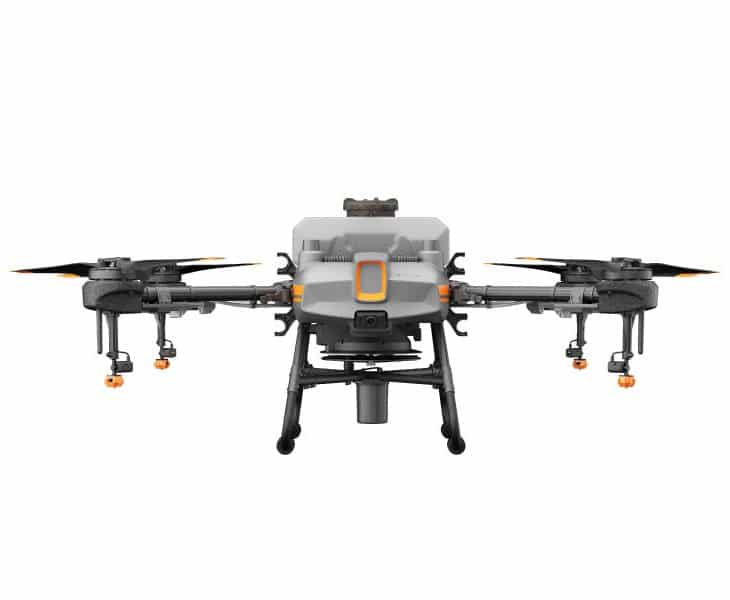
| Agricultural spray drone | 8 L spray tank or 8 kg of granules | DJI Agras T10 |
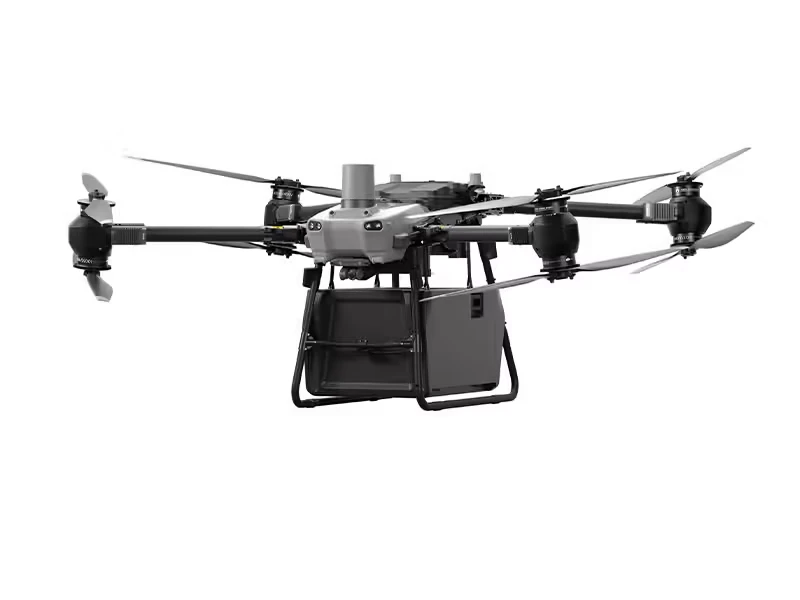
| Heavy-lift delivery drone | Up to 40 kg (manufacturer maximum) | DJI FlyCart 30 |
Figures come from manufacturer specifications and product listings, measured under specific conditions.
What limits drone payload?
To understand how much weight can a drone carry, it helps to know what sets the limit.
- Motor thrust. Motors and propellers must produce enough lift to carry the drone plus its load, with spare power to climb, manoeuvre and fight wind.
- Battery capacity. Extra weight drains batteries faster. A heavy load can dramatically shorten flight time.
- Frame strength. Arms, mounts and landing gear must handle the extra stress.
- Centre of gravity. A load that isn’t centred can make the drone unstable or hard to control.
- Flight controller tuning. The drone’s software must be able to handle the changed weight and inertia.
- Maximum take-off weight. Manufacturers set a maximum weight for safe flight, and exceeding it risks crashes.
The thrust-to-weight ratio
Drone designers talk about thrust-to-weight ratio: how much total thrust the motors produce compared with the drone’s weight. A drone needs a healthy margin above its all-up weight to fly safely. When you add drone payload, that margin shrinks, so the drone becomes slower to respond and less able to cope with gusts.
8 examples: how much weight can a drone carry?
1. Sub-250 g camera drones
A camera drone like the DJI Mini 3 Pro is engineered to carry its own gimbal camera and nothing else. Adding weight affects stability, flight time and safety, and it would take the drone out of the sub-250 g class.
2. Larger camera drones
Prosumer camera drones carry bigger cameras but still aren’t designed for extra loads. Attaching accessories such as lights or release mechanisms can affect handling and void warranties, so use only accessories the manufacturer supports.
3. Waterproof drones with payload releases
The SwellPro SplashDrone 4 is designed for payload work. Its listing quotes payloads of up to 2 kg, and it can carry accessories such as a payload release or a lifebuoy release.
4. Fishing drones
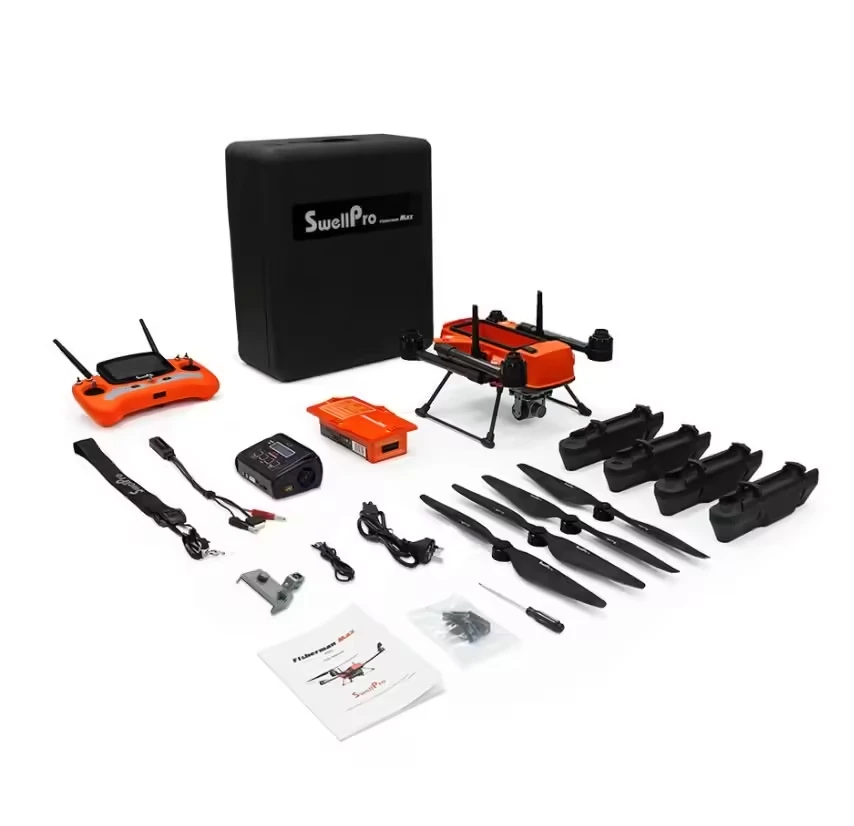
Fishing drones are built to carry heavy baits. The SwellPro Fisherman MAX listing quotes baits of up to 3.2 kg, the Rippton SharkX up to 3 kg and the Gannet Pro Plus up to 3.5 kg. Our guide to the best fishing drone compares them.
5. FPV drones carrying cameras
Many FPV pilots mount an action camera on their drone. The iFlight ProTek35 listing describes up to 750 g of thrust per motor, giving plenty of power to carry a small camera. Remember that thrust isn’t the same as usable payload: you still need spare power for safe flight.
6. Agricultural spray drones
The DJI Agras T10 carries an 8 L spray tank. With the Spreading System 3.0, it can carry 8 kg of granules such as seed or fertiliser. Our drone spraying guide covers how it’s used.
7. Survey and inspection payloads
Enterprise drones often carry integrated sensors such as thermal, zoom and multispectral cameras rather than separate loads. Their payload is the sensor itself, designed and balanced by the manufacturer. Our thermal drone guide explains these aircraft.
8. Heavy-lift delivery drones
The DJI FlyCart 30 is the heaviest lifter in our range. DJI quotes a maximum payload of 40 kg and a maximum flight range of 28 km under specific conditions. The FlyCart 30 Winch System Kit lowers loads on a cable so the drone can deliver without landing.
Drone payload by industry
Different industries need very different payload capabilities. Here’s how drone payload requirements compare.
| Industry | Typical payload | Why it matters |
|---|---|---|
| Photography and film | Integrated camera or cinema camera | Stability and image quality |
| Fishing | Bait rigs up to a few kilograms | Reaching beyond casting range |
| Agriculture | Liquid chemicals, seed and fertiliser | Treating crops and pasture efficiently |
| Inspection and survey | Thermal, zoom, LiDAR or multispectral sensors | Collecting accurate data |
| Search and rescue | Thermal cameras, spotlights, small rescue items | Finding and helping people quickly |
| Logistics and remote sites | Tools, parts, samples and supplies | Moving goods where vehicles struggle |
Payload release systems
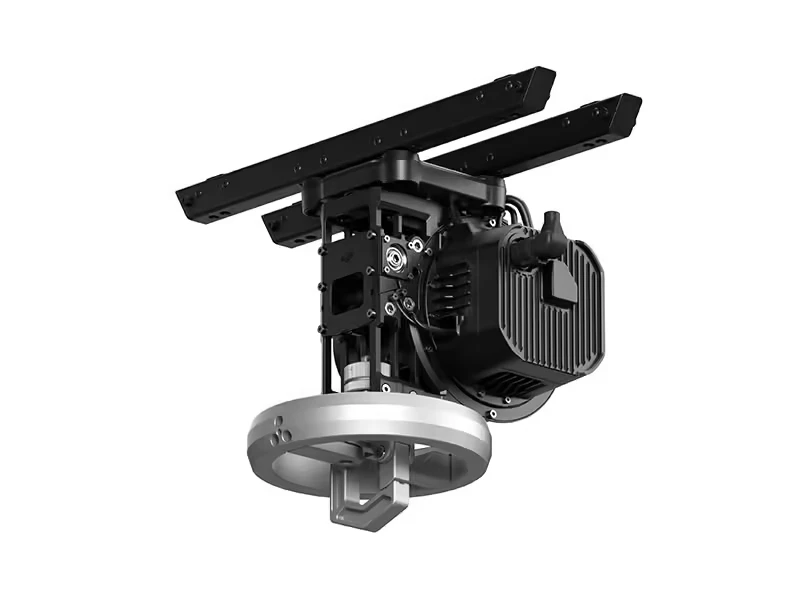
Many payload drones use release mechanisms to drop or lower their load. Common types include:
- Hook and clip releases for bait and light loads, used on fishing drones.
- Servo-driven releases triggered from the controller for precise drops.
- Winch systems that lower a load on a cable, like the FlyCart 30’s winch, so the drone doesn’t need to land.
- Integrated tanks and spreaders for liquids and granules on agricultural drones.
The right release depends on the load and the job. Always use releases designed and approved for your drone.
Planning a payload mission
Careful planning makes payload work safer and more efficient.
- Weigh the full load, including straps, hooks and containers.
- Check the manufacturer’s limits for payload, maximum take-off weight and wind.
- Plan the route, avoiding people, roads and obstacles, and identifying safe drop or delivery points.
- Check the weather, especially wind speed and gusts.
- Calculate battery needs for the loaded flight, with a generous reserve.
- Brief the team, including anyone receiving the load.
- Do a test flight with a lighter load if you’re unsure.
Why bigger isn’t always better
It’s tempting to choose the drone with the biggest payload, but larger drones bring trade-offs. They cost more, need bigger batteries and chargers, are harder to transport and often require higher-level CASA credentials. For many jobs, a smaller drone matched to the load is more practical.
Real-world payload considerations
Temperature and altitude
Hot weather and high altitude reduce air density, which means propellers produce less lift. A drone that comfortably lifts a load on a cool morning may struggle on a hot afternoon or at elevation. Reduce your payload accordingly.
Wind
Wind adds resistance and forces the drone to work harder to hold position. Heavier loads amplify the effect, especially on the return leg into a headwind.
Battery health
Older batteries deliver less power and may sag under heavy load. Use healthy batteries for payload missions and retire any that show swelling or reduced capacity.
Load shape
Bulky or flat loads catch the wind and can swing or spin. Streamlined, compact loads are easier to carry.
Choosing a drone by payload needs
| Your goal | Suggested drone | Payload highlight |
|---|---|---|
| Drop baits past the surf | SwellPro Fisherman MAX Advanced | Up to 3.2 kg baits |
| Lift the heaviest rigs | Gannet Pro Plus | Up to 3.5 kg |
| Spray and spread on the farm | DJI Agras T10 | 8 L tank or 8 kg granules |
| Move supplies across rough country | DJI FlyCart 30 | Up to 40 kg (manufacturer maximum) |
| Fish and film from a waterproof drone | SwellPro SplashDrone 4 | Up to 2 kg |
How heavy-lift drones are designed
Drones built to carry serious weight look different from camera drones. Understanding the design helps explain why they can lift so much more.
- More rotors. Many heavy-lift drones use six or eight rotors, or coaxial pairs, giving more total thrust and some redundancy if a motor fails.
- Larger propellers. Big, slow-turning props move more air efficiently, which suits lifting.
- Bigger batteries. High-capacity batteries, sometimes in pairs, provide the energy needed for heavy flights.
- Stronger frames. Reinforced arms and landing gear handle the extra loads and vibration.
- Smarter flight controllers. Software adjusts to changing weight, such as when a tank empties or a load is released.
That’s why a purpose-built aircraft is always the right choice for heavy jobs. Modifying a camera drone to carry loads is unsafe and unreliable.
Common mistakes when carrying loads
- Exceeding the rated maximum. Going over the manufacturer’s limit risks motor overload and loss of control.
- Ignoring wind. A load that’s fine in calm air can be too much in a stiff breeze.
- Hanging loads on long, loose lines. Swinging loads destabilise the drone.
- Flying with weak batteries. Voltage sag under load can cause sudden power loss.
- Releasing loads near people. Always drop or lower items in a clear, safe area.
Drone delivery in Australia
Drone delivery is growing in Australia, from food and medical supplies in some suburbs to remote logistics on farms, mines and construction sites. Heavy-lift drones can cross rivers, gullies and rough terrain far faster than vehicles.
Commercial delivery operations need CASA approvals, trained pilots and careful planning, especially when flying beyond visual line of sight. For private landholders, a heavy-lift drone can move tools and supplies around large properties within the rules. Our guide to how drones are used in agriculture covers farm uses in more detail.
Insurance and liability
Carrying loads increases risk to people and property if something goes wrong. If you carry loads commercially, make sure your insurance covers the type of work you do, including dropped or released items. Our guide to drone insurance in Australia explains the options.
Maintaining a load-carrying drone
Drones that regularly carry weight work harder than camera drones, so they need closer attention.
- Inspect motors and propellers before every flight for wear, cracks or debris.
- Check arms, mounts and fasteners, as vibration and load stress can loosen them.
- Monitor battery health, including cycle counts and any swelling.
- Clean release mechanisms and tanks after each job, especially after salt water or chemicals.
- Keep a maintenance log recording hours, repairs and part replacements.
- Update firmware so the flight controller and safety features stay current.
A well-maintained aircraft lifts more reliably, flies more predictably and lasts longer.
Training for heavier operations
Flying a heavily loaded drone takes practice. The aircraft responds more slowly, stops over longer distances and is more sensitive to wind. Formal training, such as a RePL course on the type of aircraft you’ll fly, builds the skills and knowledge to operate safely.
For agricultural and delivery work, manufacturer and dealer training also helps you get the most from features like route planning, terrain following and winch control.
Transporting heavy-lift drones
Large drones need a plan for getting to the job. Many fold for transport, but they still need a ute, trailer or van, along with space for batteries, chargers, a generator or portable power and spare parts. Secure everything properly so nothing shifts on rough roads.
How payload affects flight time
Extra weight always shortens flight time. The motors work harder to stay airborne, drawing more current from the battery. A drone rated for 30 minutes empty may fly far less with a heavy load, especially in wind or cold.
Manufacturers often quote flight time and range at specific payloads. When planning payload missions, use the figures for your actual load, keep a healthy battery reserve and be conservative in wind.
How payload affects handling
A loaded drone feels different in the air.
- Slower acceleration and braking, so leave more room around obstacles.
- More drift in wind, as the drone works harder to hold position.
- Pendulum effects if the load hangs on a line or winch.
- Reduced climb rate, especially at higher altitudes and temperatures.
Practise with lighter loads first and build up to your planned payload.
Payload and the rules
Carrying loads raises extra safety and legal considerations in Australia.
- Weight categories. CASA’s weight categories are based on the drone’s total weight, so a payload can move your drone into a heavier category with different requirements.
- Dropping items. You must not create a hazard to people or property, so only release loads in safe areas.
- Commercial work. Paid payload work, such as delivery or spraying, generally needs CASA credentials such as a RePL and ReOC, and spraying needs state chemical licences.
- Standard operating conditions. Stay below 120 m, keep the drone in sight and stay 30 m from people.
Check CASA’s drone rules and our guide to CASA drone rules before carrying any payload.
Tips for carrying loads safely
- Stay within the manufacturer’s limits for payload and maximum take-off weight.
- Use approved mounts and releases designed for your drone.
- Centre the load so the drone stays balanced.
- Secure everything so nothing shifts or falls unexpectedly.
- Test at low height in an open area before a full mission.
- Keep a battery reserve and plan for shorter flights.
- Check the weather, as wind affects loaded drones more.
How much weight can a drone carry FAQ
How much weight can a drone carry on average?
There’s no single average. Small camera drones carry only their camera, fishing drones carry around 2 to 3.5 kg, spray drones carry several kilograms of liquid or granules, and heavy-lift drones like the FlyCart 30 are rated for up to 40 kg.
Can I attach things to my camera drone?
It’s not recommended unless the manufacturer supports the accessory. Extra weight affects stability, flight time and safety, and can void warranties.
What drone can carry a person?
Drones in our range aren’t designed to carry people. Passenger-carrying aircraft are a separate category with very different regulations.
Does carrying a payload change the rules?
It can. CASA’s weight categories depend on total weight, so payload can move a drone into a heavier category. Releasing loads must also be done safely, and commercial payload work usually needs extra credentials.
Which drone in your range carries the most?
The DJI FlyCart 30, with a manufacturer-quoted maximum payload of 40 kg.
Can a drone carry a fishing rig?
Yes, if it’s a fishing drone. Purpose-built models like the Fisherman MAX and Gannet Pro Plus are designed to carry and release bait rigs weighing up to several kilograms.
Why does my drone’s flight time drop so much with a load?
The motors must work harder to lift extra weight, drawing more power from the battery. Wind, heat and battery age make the drop even bigger.
Find the right payload drone at Drones Direct
So, how much weight can a drone carry? Anything from nothing extra to 40 kg, depending on the aircraft. Choose a drone designed for your load, whether that’s a fishing drone for bait, an Agras T10 for spraying or a FlyCart 30 for heavy deliveries.
Explore the DJI FlyCart 30, DJI Agras T10 and waterproof and fishing drones ranges, or visit the drone shop.