Drone insurance Australia questions come up the moment people realise how much damage a falling drone can do, or how much a crash can cost. Whether you fly for fun on weekends or run a commercial drone business, the right cover protects you from expensive accidents and helps you win work.
This guide explains drone insurance in plain terms: the main types of cover, who needs what, how manufacturer care plans differ from insurance, and what to check before you sign. It isn’t financial or legal advice, but it will help you ask the right questions when comparing drone insurance Australia options.
Is drone insurance compulsory in Australia?
For recreational flying, drone insurance isn’t required by CASA. You can fly for fun without a policy, as long as you follow CASA’s safety rules.
For commercial work, the picture is different. CASA rules don’t set a single insurance requirement for every operator, but clients, councils, event organisers and property managers very often require proof of public liability cover before you can fly on their site. In practice, most commercial operators treat drone insurance as essential.
The main types of drone insurance
Drone insurance policies usually combine several types of cover. Understanding each one makes it easier to compare drone insurance Australia quotes.
| Type of cover | What it protects | Who usually needs it |
|---|---|---|
| Public liability | Injury to people or damage to their property caused by your drone | Commercial operators, and recommended for recreational pilots |
| Hull cover | Accidental damage to the drone itself | Anyone who can’t afford to replace their drone |
| Payload and equipment | Cameras, sensors, controllers, batteries and accessories | Operators with valuable payloads |
| Theft and loss | Stolen drones and equipment, sometimes flyaways | Anyone who travels or stores gear in vehicles |
| Professional indemnity | Claims that your advice or deliverables caused financial loss | Survey, inspection and mapping businesses |
Public liability
Public liability is the most important part of drone insurance. If your drone hits a person, a car or a building, you could be liable for medical costs, repairs and legal fees. Clients often ask for a specific level of cover, so check what they require before you quote.
Hull cover
Hull cover pays to repair or replace your drone after an accident, such as a crash, collision or water landing. It’s worth considering for expensive aircraft like enterprise and agricultural drones.
Payload and equipment cover
Payloads such as thermal cameras, multispectral sensors and spray systems can be worth more than the drone itself. Make sure your drone insurance covers them, along with controllers, batteries and ground equipment.
Care plans vs drone insurance
Manufacturer care plans are often confused with drone insurance, but they’re different products.
| Manufacturer care plan | Drone insurance | |
|---|---|---|
| Covers your drone | Yes, with limits and replacement fees | Yes, with hull cover |
| Covers damage to others | No | Yes, with public liability |
| Covers payloads and accessories | Usually limited to the aircraft and included parts | Depends on the policy |
| Covers theft | Usually no | Often available |
| Who provides it | The manufacturer | An insurer |
Care plans such as DJI Care Refresh or DJI’s Enterprise care plans are an excellent, affordable way to cover accidental damage to the drone. But they don’t protect you if your drone injures someone or damages property. For that, you need public liability insurance.
Care plans available at Drones Direct
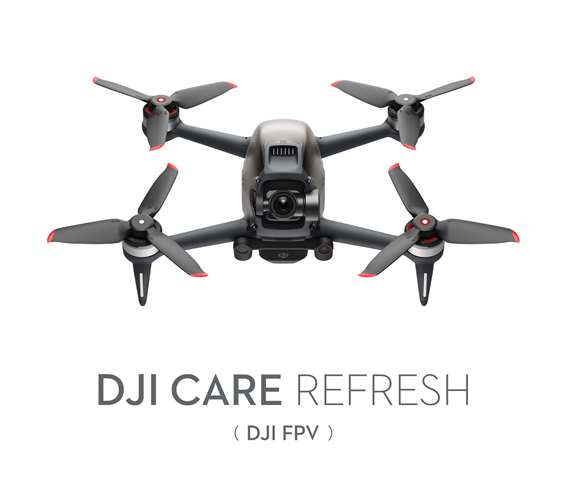
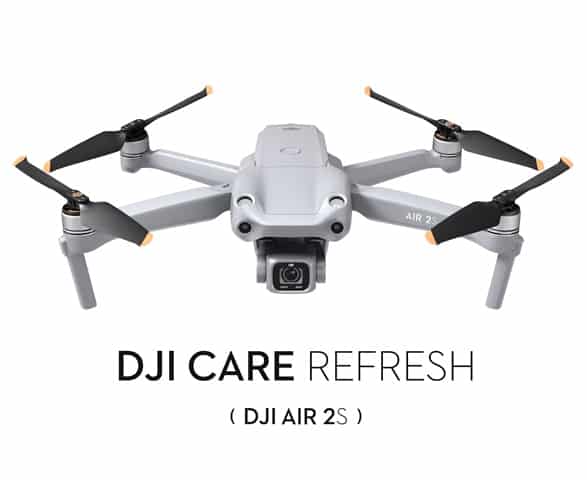
Our range includes care plans for popular models, including DJI Air 2S Care Refresh, DJI FPV Care Refresh and Autel Care for EVO II Pro.
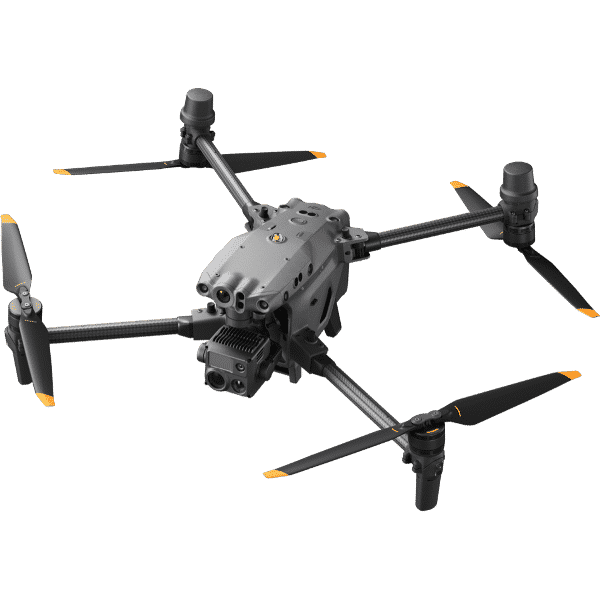
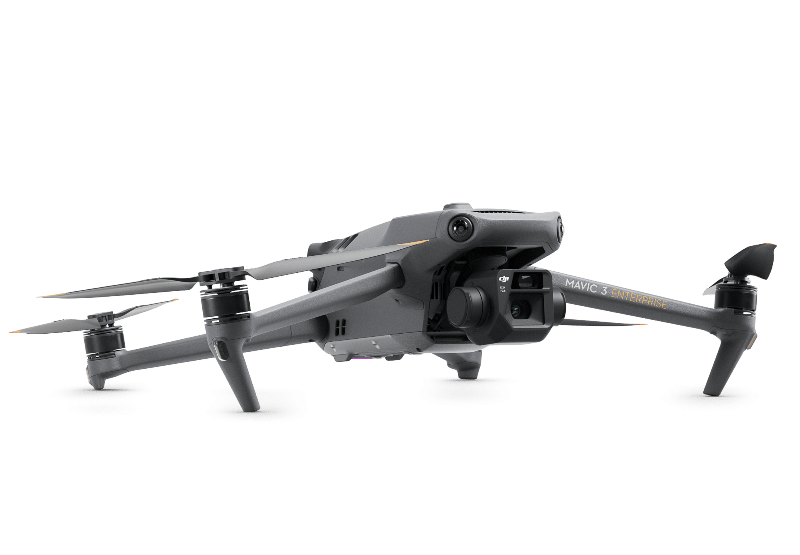
Enterprise aircraft come with bundled plans, such as the DJI Matrice 30T with Enterprise Care Plus and the DJI Mavic 3 Enterprise with Basic Shield.
Drone insurance for recreational pilots
Most recreational pilots don’t buy a standalone drone insurance policy, but it’s worth thinking about liability. A drone that falls on a person or car could lead to a costly claim.
- Check your home and contents policy. Some policies include limited cover for personal liability or portable items, but many exclude drones or aircraft. Read the policy wording or ask your insurer.
- Consider a club membership. Some model aircraft associations include liability cover for members when they fly under the association’s rules. Check what’s covered and where.
- Look at standalone recreational cover. Some insurers offer drone insurance for hobby pilots, often with optional hull cover.
- Add a care plan. A manufacturer care plan covers accidental damage to the drone itself at an affordable price.
Drone insurance for commercial operators
For businesses, drone insurance Australia policies are part of running a professional operation. Here’s what commercial operators typically consider.
- Public liability at the level your clients require. Many contracts specify a minimum amount.
- Hull and payload cover for every aircraft and sensor you rely on.
- Cover for pilots and employees who fly your aircraft.
- Professional indemnity if you provide reports, maps or advice.
- Hired or borrowed equipment cover if you rent drones or payloads.
- Geographic and operational scope, so the policy covers where and how you actually fly.
Insurance and CASA approvals
Insurers usually ask about your CASA credentials. Expect questions about your RPA operator accreditation, remote pilot licence (RePL) and remote operator’s certificate (ReOC), and whether you fly within the standard operating conditions.
Flying outside your approvals, such as at night without authorisation, can void your cover. Always fly within both CASA’s rules and your policy’s conditions. Check CASA’s drone rules to confirm your obligations.
Real-world scenarios: what would be covered?
Examples make it easier to see how different types of cover work. These scenarios are general illustrations only; every policy is different.
| Scenario | Care plan | Public liability | Hull cover |
|---|---|---|---|
| You crash into a tree and break the gimbal | Usually covered, with a replacement fee | Not covered | Usually covered |
| Your drone falls and dents a parked car | Not covered | Usually covered | May cover the drone, not the car |
| Your drone lands in the ocean | Depends on the plan’s terms | Not relevant unless others are affected | Often covered, check exclusions |
| A propeller strike injures a bystander | Not covered | Usually covered | Not relevant |
| Your kit is stolen from your ute | Not covered | Not covered | Covered if the policy includes theft |
| You fly at night without approval and crash | May be declined | Likely excluded | Likely excluded |
The pattern is clear: care plans look after the aircraft, while public liability looks after everyone else. Many pilots need both.
Drone insurance by industry
Different kinds of drone work carry different risks, so the right drone insurance varies by industry.
Photography, video and real estate
Photographers and videographers often fly around homes, people and events. Public liability is essential, and hull cover protects camera drones and lenses. Clients such as agents, councils and venues frequently ask for proof of cover.
Inspections and surveying
Inspection and survey work often happens near infrastructure, powerlines and industrial sites. Higher liability limits, payload cover for thermal or LiDAR sensors and professional indemnity for reports are common needs.
Agriculture and spraying
Spray drones carry chemicals and fly near crops, stock and neighbouring properties. Policies may need to address spray drift and chemical liability, along with hull cover for valuable aircraft. Check carefully that your drone insurance covers aerial application.
Events and filming
Events involve crowds, which raises the stakes. Many events require specific approvals and higher liability limits, so arrange cover well before the date.
FPV and racing
FPV drones crash more often by design, so hull cover can be costly. Liability cover is still important, particularly when flying near spectators at club events.
What does drone insurance cost?
The cost of drone insurance in Australia depends on many factors, so quotes vary widely. Insurers commonly consider:
- Recreational or commercial use.
- The value of the drone and payloads you want covered.
- The level of public liability you need.
- The type of work, such as photography, inspections, spraying or surveying.
- Pilot experience and qualifications.
- Claims history.
- Excess levels you’re willing to accept.
Get several quotes and compare the policy wording, not just the premium.
What to check in a drone insurance policy
Not all drone insurance Australia policies are equal. Before you buy, check the fine print.
- Who is covered. Is cover limited to named pilots, or does it extend to employees?
- Which aircraft are covered. Are all your drones listed, including new purchases?
- Exclusions. Look for exclusions such as flying outside CASA rules, night flying, flyaways, water landings or wear and tear.
- Excess. How much you pay towards each claim.
- Territory. Does cover apply everywhere you fly, including interstate?
- Claims process. What evidence will you need, such as flight logs and photos?
- Hired equipment. Is equipment you rent or borrow covered?
Records that support your cover
Insurers, clients and regulators all value good records. Keeping them up to date makes renewals easier and claims faster.
- Flight logs showing date, location, pilot, aircraft and flight time.
- Maintenance records for each aircraft, including repairs, firmware updates and battery cycles.
- Pilot credentials such as accreditation, RePL and training certificates.
- Risk assessments for commercial jobs, especially near people or infrastructure.
- Incident reports for any crash, near miss or flyaway.
Many drone apps and fleet management tools record much of this automatically. Export and back up the data regularly.
Flying interstate or overseas
CASA’s rules apply nationally, but cover can vary by location. Before you travel with your drone, check whether your policy covers you interstate and in remote areas, and whether it extends overseas. Local rules abroad differ, and some countries require their own registration or permits.
Also check how your policy treats equipment in transit. Drones and batteries are vulnerable in luggage and vehicles, and theft from cars is a common claim.
Buying genuine stock helps
Buying from an established retailer gives you genuine stock, a valid warranty and the paperwork insurers often ask for, such as receipts and serial numbers. Grey imports and second-hand drones without paperwork can make claims and warranty repairs more difficult. Our drone buying checklist explains what to check before you buy.
Choosing a broker or insurer
Comparing policies takes time, and a specialist can help. Some operators use an insurance broker who understands aviation and drone risks, while others buy directly from an insurer.
Whichever route you take, ask these questions:
- Do you specialise in drones or aviation?
- Can the policy cover all the aircraft, payloads and pilots I use?
- How quickly can I add a new drone or pilot to the policy?
- Can you provide a certificate of currency quickly for new clients?
- What is the claims process, and how long do claims usually take?
- Are there any exclusions specific to my type of work?
A good insurer or broker explains the policy clearly and helps you match cover to the way you actually fly. Review your policy every year as your fleet, work and clients change.
How to reduce the risk of a claim
Good habits protect you, your drone and your premiums.
- Complete a pre-flight checklist every time.
- Keep firmware and apps up to date.
- Fly within CASA’s standard operating conditions or your approvals.
- Keep detailed flight logs and maintenance records.
- Inspect propellers and batteries regularly.
- Avoid flying in strong wind or near the limits of the aircraft.
- Train new pilots before they fly expensive equipment.
How to make a drone insurance claim
If something goes wrong, acting quickly and keeping good records makes a claim smoother.
- Make the area safe. Check for injuries, call emergency services if needed and secure the drone and batteries.
- Record everything. Take photos, note the time and location, and get contact details of anyone involved.
- Save the flight log. Most drones record detailed telemetry that shows what happened.
- Notify your insurer promptly. Many policies require you to report incidents within a set time.
- Report to CASA if required. Some incidents involving injury or damage must be reported to the Australian Transport Safety Bureau or CASA. Check the reporting requirements.
- Don’t admit liability on the spot. Let your insurer handle claims from third parties.
- Keep receipts. Proof of purchase and repair quotes support hull and equipment claims.
Common myths about drone insurance
“Small drones don’t need insurance”
A sub-250 g drone is lighter, but it can still injure someone or damage property. Liability doesn’t depend on weight.
“My care plan covers everything”
Care plans cover damage to your own drone, not injury or damage to others. You still need public liability for third-party claims.
“Recreational pilots can’t get cover”
Recreational pilots can find drone insurance through some insurers and, in some cases, through club memberships. It’s worth checking the options.
“Any policy will do for commercial work”
Clients often specify minimum liability limits and policy conditions. A cheap policy that doesn’t meet those requirements could cost you the job.
Before every commercial job: a quick checklist
- Confirm your drone insurance is current and meets the client’s requirements.
- Carry a certificate of currency to show the client.
- Check your CASA credentials cover the work and location.
- Check airspace, permissions and any site-specific rules.
- Brief everyone on the site about the flight and safety zone.
Drone insurance Australia FAQ
Do I need drone insurance to fly for fun?
No. CASA doesn’t require recreational pilots to hold drone insurance. However, public liability cover is worth considering, because you could be responsible for injury or damage your drone causes.
Does home and contents insurance cover drones?
Sometimes, but many policies exclude drones or aircraft. Read your policy wording or ask your insurer before relying on it.
Is DJI Care Refresh the same as drone insurance?
No. DJI Care Refresh covers accidental damage to your drone, but it doesn’t cover injury or damage to other people or property. You need public liability insurance for that.
How much public liability do commercial drone operators need?
It depends on your clients and the work you do. Many clients set a minimum requirement in their contracts, so check before quoting a job.
Will my insurance cover me if I break CASA rules?
Often not. Many policies exclude claims that arise from flying outside CASA’s rules or your approvals. Always fly legally to keep your cover valid.
Does drone insurance cover flyaways?
Some policies cover flyaways, where the drone loses connection and isn’t recovered, while others exclude them. Check the wording carefully, especially if you fly over water or remote areas.
Can I insure a drone I bought second-hand?
Often yes, but insurers may ask for proof of ownership, serial numbers and the drone’s condition. Keep receipts and photos of the aircraft.
Is drone insurance tax deductible?
For businesses, insurance premiums are often treated as a business expense, but rules depend on your circumstances. Speak to your accountant or tax adviser for advice specific to you.
Protect your drone with Drones Direct
The right drone insurance Australia setup combines public liability for peace of mind with hull or care plan cover for the aircraft. Recreational pilots can start with a care plan and check their liability options, while commercial operators should build a complete policy around their work.
Browse care plans and enterprise bundles in the drone shop, explore enterprise drones, or read our drone buying checklist before your next purchase.