Choosing a drone for kids is mostly about matching the drone to the child, not finding the most powerful model. A good drone for kids is light, forgiving and easy to stop in a hurry, and it teaches flying skills without putting people, pets or windows at risk.
This guide breaks the choice down by age and experience. It covers coding drones for curious younger pilots, small camera drones for teenagers, and the Australian rules every family should know before the first flight. Where a drone in the Drones Direct range fits, we point it out so you can compare it directly.
What makes a good drone for kids?
Every drone for kids should pass a few simple tests before price or camera specs even come into it. If a model fails any of these, it is a drone for later, not a drone for now.
- Low weight. A lighter drone carries less energy if it bumps into something. Drones under 250 g are also the most relaxed category under Australian rules.
- Propeller protection. Guards around the props make indoor practice far safer and save a lot of broken parts.
- Stable hovering. Vision positioning or GPS keeps the drone still when little hands let go of the sticks, which is the single biggest confidence builder.
- A simple emergency stop. One-tap landing or an emergency motor stop lets a parent end a flight instantly.
- Durable, cheap spares. Props, guards and batteries will wear out. A drone for kids with easy-to-find spares stays in the air longer.
Flight time matters less than you might think. Most children fly in short bursts, so two or three batteries are worth more than one long-lasting pack.
The best drone for kids by age
Ages are only a guide. A careful ten-year-old with patience may be ready for more than a distracted teenager, so think about maturity and supervision as much as the number on the birthday cake.
| Age (guide) | Best type of drone for kids | Why it suits | Example in our range |
|---|---|---|---|
| Under 8 | Tiny indoor drone flown with an adult | Learns orientation and gentle stick control | Practise inside a Portable Drone Cage |
| 8 to 12 | Programmable coding drone | Combines flying with STEM learning | CoDrone EDU |
| 12 to 15 | Sub-250 g camera drone, supervised | Real photos and video with strong stability | DJI Mini 2 |
| 15+ | Sub-250 g camera drone with more independence | Builds towards adult-level flying | Autel EVO Nano |
Under 8: start indoors with an adult
For the youngest pilots, the best drone for kids is a small, guarded model flown in a clear room or a netted space. The goal at this age is simple: learn which way is forwards, take off, hover and land.
Keep sessions short and celebrate small wins. A drone for kids at this stage is closer to a toy than an aircraft, and that is exactly right.
Ages 8 to 12: coding drones that teach as they fly
This is the sweet spot for a programmable drone for kids. Coding drones let children plan a flight on a tablet or laptop, press run, and watch their code fly. It turns screen time into problem solving.
Coding also slows things down in a useful way. Instead of racing around the room, kids learn to think in steps, test, fix mistakes and try again.
Ages 12 to 15: a first camera drone, with supervision
Teenagers usually want a drone for kids that does grown-up things, especially photos and video. A sub-250 g camera drone with GPS, return-to-home and stable hovering is the natural step up.
Supervision still matters. Fly together at first, agree on the rules, and let independence grow as skills and judgement do.
15 and over: building real piloting skills
Older teens can handle a more capable sub-250 g drone with a better camera and obstacle sensing. At this age, the right drone for kids is really a drone for a young adult, and the focus shifts to planning flights properly.
Coding drones: the smartest drone for kids who love STEM
A coding drone is the best drone for kids who enjoy building, puzzles or robotics. These drones are designed for classrooms, so they are tough, light and built to be flown again and again.
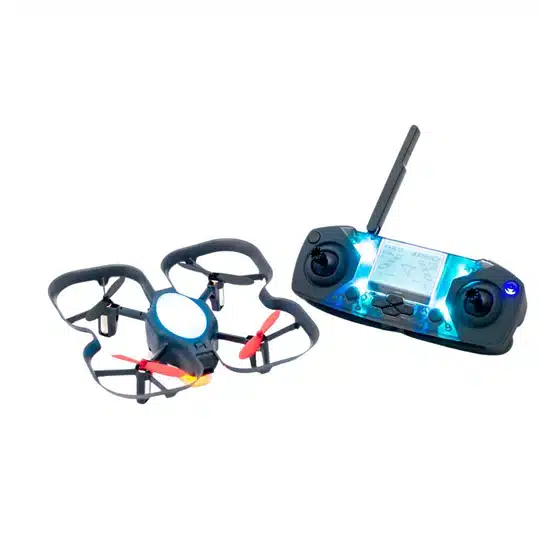
CoDrone EDU
The CoDrone EDU is a programmable drone made for education. Students can program it with block-based coding and progress to Python, and its onboard sensors open up projects that go well beyond simple flight paths.
That combination makes it a strong drone for kids aged roughly 8 and up who want to understand how drones work, not just fly them. Schools can scale up with the CoDrone EDU Classroom Set.
DJI Tello EDU classroom packs
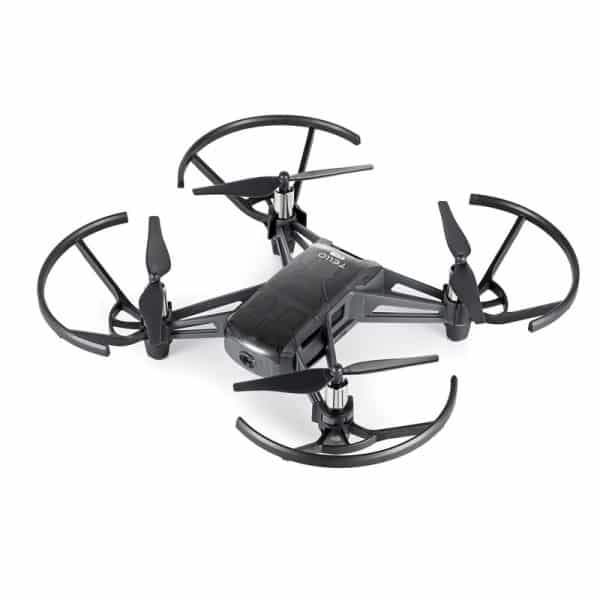
The Tello EDU is a tiny 80 g drone that can be programmed with Scratch, Python and Swift. Vision positioning helps it hover steadily indoors, which is ideal for a classroom drone for kids.
Our DJI Tello Education Classroom Pack SET 1 and SET 2 bundle several drones for group lessons. They suit schools, coding clubs and STEM programs more than a single child at home.
Camera drones for older kids and teens
Once the basics are solid, a camera drone for kids opens up aerial photography, holiday videos and school projects. Stick to models under 250 g for the simplest rules and the gentlest learning curve.
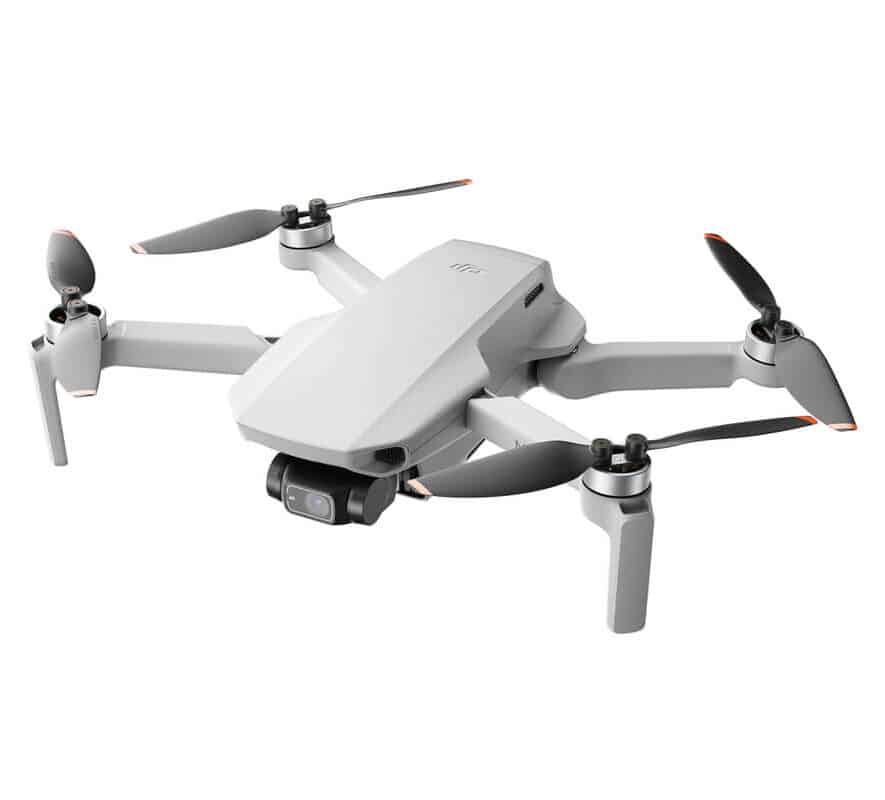
DJI Mini 2
The DJI Mini 2 weighs 249 g and records 4K video. GPS hovering and automatic return-to-home make it forgiving for a teenager learning to fly outdoors.
For more flying per session, the DJI Mini 2 Fly More Combo adds extra batteries and a charging hub. That makes it one of the most practical camera options when you want a drone for kids that grows with them.
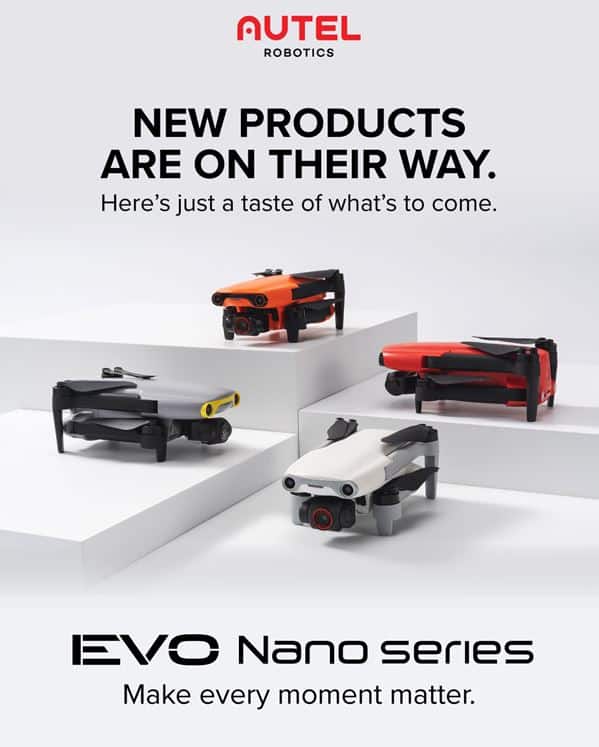
Autel EVO Nano
The Autel EVO Nano is another 249 g camera drone, with 4K video and obstacle sensing. Sensors that help avoid collisions are a real asset in any drone for kids still learning judgement.
If your teen wants the extra camera capability, compare it with the Autel EVO Nano Plus. Browse more options in our camera drones range.
Australian drone rules for kids and parents
The rules for a drone for kids are the same as the rules for adults. The Civil Aviation Safety Authority (CASA) sets standard operating conditions that apply to everyone flying for fun.
- Fly no higher than 120 m above ground level.
- Keep the drone within your visual line of sight at all times.
- Stay at least 30 m away from other people, and never fly over people.
- Fly only during the day, and only one drone at a time.
- Keep clear of airports, emergency operations and populous areas such as busy beaches and sporting events.
Families flying for fun currently don’t need a licence or drone registration. If a teenager later flies for money, for example selling photos, the business rules apply, and CASA says operator accreditation is open to people aged 16 and over, with under-16s supervised by an accredited adult.
Rules can change, so check CASA’s drone safety rules before your first flight. Our beginner’s guide to drones also explains the basics in plain terms.
Safety tips for flying with children
The safest drone for kids is the one flown with a plan. These habits keep every session fun and incident-free.
- Pick a big, open space. A park or oval away from roads, trees and crowds gives room to make mistakes.
- Check the weather. Light drones struggle in wind. If flags are flapping hard, stay grounded.
- Do a pre-flight check together. Inspect props, guards and battery level before every take-off.
- Agree on a “land now” word. If an adult says it, the drone comes down straight away.
- Stay close. Stand beside the child so you can take the controls if needed.
- Respect privacy. Teach kids not to film neighbours or people who haven’t agreed.
Practise indoors first
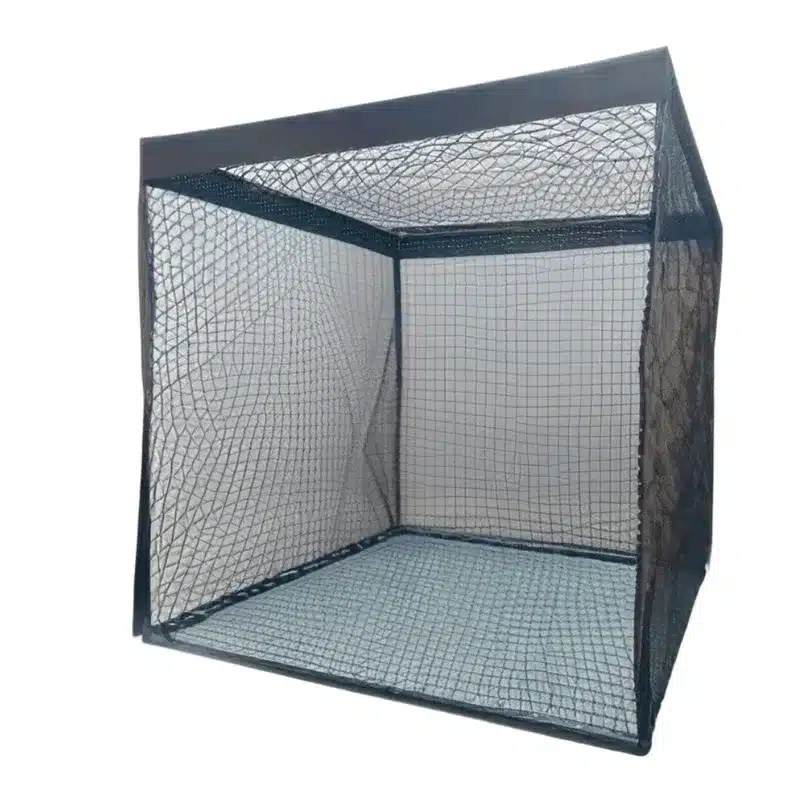
Indoor practice builds confidence without wind, trees or onlookers. A netted Portable Drone Cage creates a safe flying zone for classrooms, clubs and keen young pilots.
Toy drone vs hobby drone: which is right?
Shops sell everything from pocket-money toys to serious camera drones, and the line between them isn’t always obvious. Knowing the difference helps you choose a drone for kids that won’t disappoint.
| Feature | Toy drone | Hobby or education drone |
|---|---|---|
| Hovering | Drifts, needs constant correction | Holds position with vision sensors or GPS |
| Spares | Often unavailable | Props, batteries and guards sold separately |
| Camera | Basic or none | Sharp photos and stable video |
| Learning value | Short-lived novelty | Builds flying, coding or photography skills |
| Lifespan | Months | Years, with care |
A toy can be fine for a five-minute thrill. But if you want a drone for kids that teaches something and lasts, an education or hobby-grade model is better value over time.
Teaching your child to fly: a five-session plan
Kids learn fastest with clear goals and short sessions. This simple plan works with almost any drone for kids, from a classroom coding drone to a sub-250 g camera drone.
- Session one: take-off, hover and land. Practise lifting off to head height, holding still for ten seconds and landing gently. Repeat until it feels boring.
- Session two: forwards, backwards and sideways. Fly short straight lines while keeping the drone facing away. This builds the core stick habits.
- Session three: turning and orientation. Rotate the drone and fly it back towards you. Controls feel reversed when the drone faces you, so take it slowly.
- Session four: squares and figure eights. Fly simple shapes around markers such as cones or hats. Smooth, slow movements beat speed every time.
- Session five: a planned mission. Agree on a short route, a photo to take or a block of code to run, then fly it start to finish.
Stay on each session until the child is confident, even if that takes several outings. A drone for kids is most rewarding when every new skill sits on a solid base.
Fun drone projects for kids
Once the basics are sorted, projects keep interest high. These ideas suit families, classrooms and holiday programs alike.
- Obstacle courses. Use hoops, chairs or pool noodles indoors to set up a course and time each run.
- Coding challenges. Program a coding drone to draw a square, land on a target or perform a flip on command.
- Aerial photo hunts. With a camera drone, photograph shapes, patterns or landmarks from above, then share the best shots.
- School science reports. Film a local park or garden from above to compare seasons, plant growth or erosion over time.
- Short films. Plan a scene, storyboard the shots and use the drone for an opening aerial clip.
Projects turn a drone for kids into a learning tool. They also give children a reason to plan flights carefully, which is great practice for responsible flying.
Looking after batteries and spares
Batteries are the part of any drone for kids that needs the most care. Lithium batteries are safe when treated well, but they don’t like heat, damage or being left fully charged for weeks.
- Charge batteries on a non-flammable surface with an adult nearby, and never leave them charging overnight.
- Let batteries cool after a flight before recharging them.
- Store batteries at around half charge if the drone won’t be used for a while.
- Stop using any battery that looks swollen, dented or damaged.
- Keep spare props on hand and replace any that are chipped or bent.
Teaching kids these habits early builds responsibility. It also means their drone for kids keeps flying well for years, not just months.
Gift ideas: building a drone for kids starter kit
If the drone is a present, a few extras make the day far smoother. Think of it as a complete starter kit rather than a single box.
- Spare batteries so the fun doesn’t stop after one short flight.
- Spare propellers and guards for the inevitable bumps.
- A protective case to keep everything together and safe in the car.
- A practice space, such as a netted cage for indoor flying.
- A clear set of family rules, written down and stuck to the fridge.
With the right kit, a drone for kids becomes a hobby the whole family can share.
How much should you spend on a drone for kids?
Spending more doesn’t always mean a better drone for kids. A child’s first drone will crash, so it pays to start simple and step up once skills improve.
- Coding drones suit learning first, with classroom packs for schools.
- Sub-250 g camera drones cost more but deliver real photos and video for older kids.
- Spares and batteries should be part of the budget from day one.
If you’re weighing up options across the whole range, our drone buying checklist and guide to best budget drones walk through what to compare before you pay.
Choosing the right drone for kids: quick checklist
Before you buy, run through this list. A drone for kids that ticks every box is likely to be a hit.
- Light enough for the child’s age and flying space.
- Propeller guards or a safe practice area.
- Stable hovering and one-tap landing.
- Spare batteries and props available.
- Matches the child’s interest: coding, photography or simply flying.
- A clear plan for supervision and where you’ll fly.
Drone for kids FAQ
What age is suitable for a first drone?
Many children can start around 8 with a small coding or indoor drone flown with an adult. Camera drones usually suit ages 12 and up with supervision. Maturity matters more than age.
Is a coding drone a good drone for kids?
Yes. A coding drone for kids combines flying with STEM skills like logic and problem solving, and they are built to survive classroom use. The CoDrone EDU is a good place to start.
Do kids need a licence to fly a drone in Australia?
No licence is needed for flying for fun, but everyone must follow CASA’s safety rules. Commercial flying has extra requirements, including operator accreditation from age 16.
Is a drone under 250 g better for kids?
A drone under 250 g is lighter, gentler in a bump and falls into the most relaxed rules. That makes it the ideal camera drone for kids and teens.
What is the safest drone for kids to fly indoors?
A small, guarded drone with vision positioning, flown inside a net or clear room, is the safest choice. Classroom drones such as the Tello EDU are designed for exactly this.
How long does a drone for kids fly on one battery?
It depends on the model. Small classroom drones such as the Tello EDU fly for around 13 minutes per battery, while sub-250 g camera drones like the DJI Mini 2 are rated for around half an hour in ideal conditions. Real-world flights are shorter, so spare batteries make a big difference.
Can a drone for kids be used at school?
Yes. Coding drones and classroom packs are designed for lessons, with tough frames, propeller guards and software that links flying to maths, science and technology. Check your school’s own policy and follow CASA’s rules for any outdoor flying.
Find the right drone for kids at Drones Direct
The best drone for kids is the one that matches their age, interests and flying space. Start with a coding drone or indoor practice, step up to a sub-250 g camera drone, and keep safety at the centre of every flight.
Explore our education drones, compare camera drones, or browse the full drone shop to find your child’s first drone.