“Where can I fly my drone?” is one of the first questions every new pilot asks. In Australia, the answer depends on more than CASA’s safety rules. Airspace, local councils, national parks, landowners and even the time of day all affect where to fly.
This guide answers where can I fly my drone in practical terms: how to check a location, the types of places that usually work well, the places to avoid and eight tips for finding great, legal spots. For the safety rules themselves, read our guide to CASA drone rules.
Where can I fly my drone? The short answer
You can generally fly a drone in open areas away from people, airports and emergencies, as long as you follow CASA’s standard operating conditions and any local rules. That usually means:
- At least 30 m from people, and never over them.
- No higher than 120 m above ground level.
- Within visual line of sight.
- During the day.
- Away from controlled aerodromes (5.5 km for drones over 250 g).
- Away from emergency operations and populous areas.
- With permission from the landowner or land manager where required.
Step 1: Check the airspace
The first step in deciding where to fly is checking the airspace. Use a CASA-verified drone safety app before every flight. These apps show:
- Controlled aerodromes and the 5.5 km zones around them.
- Smaller airfields and helicopter landing sites.
- Restricted and prohibited airspace, such as military areas.
- Temporary restrictions, such as around events or emergencies.
Apps make it easy to see at a glance whether a spot is suitable, so check one every time you plan a flight.
Step 2: Check who manages the land
Airspace is only half the answer to where can I fly my drone. The land you take off from also has rules.
| Land type | What to check |
|---|---|
| Council parks and reserves | Council rules, signage and any permit requirements |
| Beaches | Council rules and crowd levels; busy beaches are populous areas |
| National parks | Park rules, which often restrict or ban drones |
| Marine parks | Rules protecting wildlife and sensitive areas |
| State forests | Forest management rules and any restrictions |
| Private property | The owner’s permission |
| Sporting grounds and venues | Venue rules and events |
Places that usually work well
These types of places are often good answers to where can I fly my drone, provided you follow the rules and check local restrictions.
Large open parks and ovals
Big parks and sports ovals outside busy times offer space to keep 30 m from people. Check council rules and avoid flying when sport or events are on.
Quiet beaches and coastlines
Quiet stretches of coast make spectacular footage. Avoid busy beaches, which count as populous areas, and stay well clear of swimmers and surfers.
Rural land and farms
Private rural land, with the owner’s permission, is often ideal: plenty of space, few people and minimal distractions. Watch for low-flying agricultural aircraft and livestock.
Model aircraft club fields
Clubs often have established flying fields, safety procedures and experienced pilots. They’re great places to learn, especially for FPV, where you need an observer.
Lookouts and open landscapes
Open landscapes and scenic lookouts can be excellent, as long as they aren’t in restricted parks, crowded or near airports. Arrive early to avoid crowds.
Choosing a launch and landing spot
Once you’ve decided where to fly my drone, pick the exact launch point carefully.
- Flat, stable ground that’s clear of long grass, sand and loose debris.
- A clear view of your planned flight area so you can keep the drone in sight.
- Away from metal objects such as cars, fences and reinforced concrete, which can affect the compass.
- Out of foot traffic, so people don’t walk into the take-off area.
- A strong GPS signal, with an open view of the sky.
A portable landing pad helps keep dust and debris away from the motors and camera.
Restricted and prohibited airspace
Some areas are off-limits to drones without special approval. These include military bases, some government and security facilities, and areas temporarily restricted for events or emergencies. Restricted and prohibited areas appear in CASA-verified drone safety apps, so check before you fly.
Planning a drone trip
If you’re planning a trip around flying, a little preparation goes a long way.
- Research several locations and their rules in advance.
- Check the weather forecast for wind and rain.
- Charge all batteries and pack spares.
- Download offline maps for remote areas.
- Pack a landing pad, spare props and a case.
- Tell someone where you’re going if you’ll be in remote country.
Places to avoid
When asking where can I fly my drone, it’s just as important to know where not to fly.
- Near airports and airfields, especially within 5.5 km of controlled aerodromes for drones over 250 g.
- Over crowds, including beaches, festivals, sporting events and busy streets.
- Near emergencies, such as bushfires, police operations and accident scenes.
- Over people’s homes and backyards, where privacy and safety concerns apply.
- In national parks that restrict drones.
- Near prisons, defence sites and other sensitive facilities.
- Near power lines and telecommunications towers, which can cause interference and collisions.
Can I fly my drone in a national park?
Many national parks across Australia restrict or ban recreational drone flying to protect wildlife, visitors and sensitive environments. Rules differ between states and individual parks, and commercial filming often requires a permit.
Always check the specific park’s rules before you go. If drones aren’t allowed, consider flying from nearby private land with permission or choosing a different location.
Can I fly my drone at the beach?
Yes, in many places, if you can keep 30 m from people and avoid flying over crowds. Busy beaches are populous areas, so choose quiet times and stretches. Some councils have specific beach rules, so check local signage.
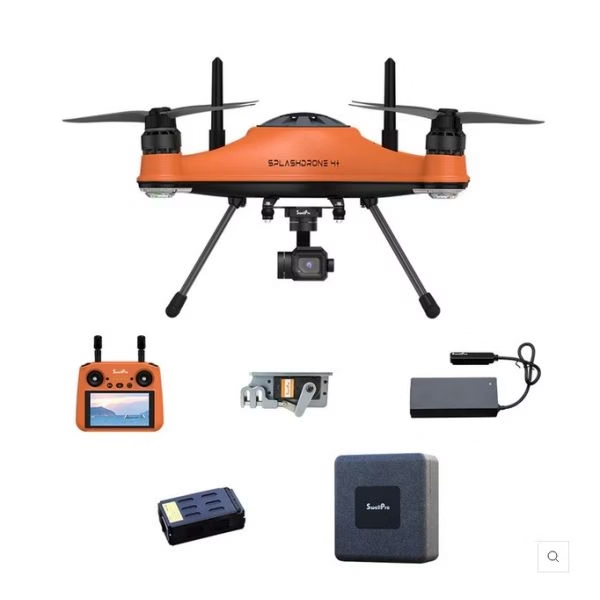
Waterproof drones like the SwellPro SplashDrone 4 Plus are built for coastal flying, while camera drones should be wiped down after exposure to salt and sand.
Can I fly my drone in my backyard?
Usually, if you follow CASA’s rules: stay below 120 m, keep 30 m from people not involved in your flight and don’t fly over neighbours. In suburban areas, your yard may be close to neighbours, so take care with privacy and the 30 m distance. Check airspace too, as many suburbs are near airports.
Can I fly my drone near an airport?
Drones over 250 g must stay at least 5.5 km from controlled aerodromes. Drones of 250 g or less may fly within that distance if they stay clear of approach and departure paths. Near smaller airfields and helicopter landing sites, keep well clear of aircraft paths and land if an aircraft approaches.
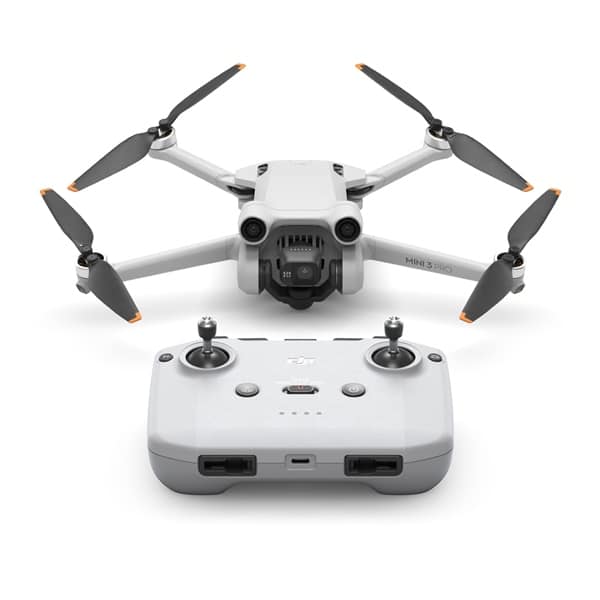
Sub-250 g drones such as the DJI Mini 3 Pro and Autel EVO Nano Plus give you more flexibility here.

Can I fly my drone over lakes and rivers?
Lakes, rivers and dams can be stunning places to fly my drone, but water adds risk. If a drone goes down over water, it’s usually lost. Keep the drone close, avoid flying low over the surface, and consider a waterproof model for water-based flying. Watch for boats, swimmers and people fishing, and keep the 30 m distance from them.
Can I fly my drone in the bush or mountains?
Open bushland and mountains offer dramatic scenery, but trees, cliffs and changing winds make flying harder. Keep the drone well clear of trees, remember that GPS and signal can be weaker in valleys, and check whether the land is a national park or state forest with its own rules. Never fly near bushfires or hazard reduction burns.
Can I fly my drone at events?
Events such as festivals, concerts, markets and sporting matches are populous areas, so flying over or near crowds is prohibited under the standard operating conditions. Event organisers may also ban drones. Commercial event filming usually requires specific approvals and careful planning.
Can I fly my drone at a school?
Schools often have their own rules, and students and staff make it hard to keep 30 m from people during the day. Indoor flying in a gym with small education drones is a safer option for lessons. Our drone for kids guide covers classroom drones.
Travelling interstate with your drone
CASA’s rules apply nationwide, but local rules vary between states, councils and park authorities. When travelling, research where to fly before you arrive.
- Check park rules for each state you’ll visit.
- Look up council rules for popular beaches and reserves.
- Use a CASA-verified app to check airspace at each new location.
- Pack batteries in your carry-on luggage when flying with an airline.
- Have a few backup locations planned.
The best time of day to fly
Timing can turn a crowded spot into a great one. Early mornings are often calmer, quieter and bathed in soft light, which is ideal for footage and for keeping away from people. Late afternoons offer golden light too, but you must land before sunset under the standard operating conditions.
Weekdays are usually quieter than weekends and public holidays, especially at popular beaches and lookouts.
Drone etiquette: being a good neighbour
Even when you’re allowed to fly my drone somewhere, good etiquette keeps flying spots open for everyone.
- Be considerate of noise. Keep flights short in quiet areas.
- Respect privacy. Don’t hover near homes or film people without consent.
- Be friendly and open. If someone asks what you’re doing, explain and show them your screen.
- Leave no trace. Take all batteries, packaging and gear with you.
- Avoid wildlife. Keep away from nesting birds, marine life and livestock.
- Land if asked. If a land manager or ranger asks you to stop, land and move on.
Weather and safe locations
A great location can become unsafe in poor weather. Strong wind can push a drone towards people or beyond line of sight, and rain or fog reduces visibility. Check the forecast before heading out, and choose sheltered spots on windy days.
What to do if someone objects
Sometimes a member of the public will be concerned about a drone, even when you’re flying legally. Stay calm and polite, explain what you’re doing and offer to show them the live view. If they’re worried about privacy, adjust your flight path or move to another spot. If a ranger, police officer or land manager asks you to land, comply and discuss it afterwards.
Keeping a list of favourite spots
Over time, build your own list of locations that work well. Note the airspace status, land manager, best times to visit, parking, wind exposure and any rules. A personal list saves time and helps you plan flights quickly when conditions are perfect.
Matching your drone to your spots
The drone you choose affects where you can fly comfortably.
| Drone type | Where it shines | Example |
|---|---|---|
| Sub-250 g camera drone | Travel, coastal walks, near controlled aerodromes outside approach paths | DJI Mini 3 Pro |
| Waterproof drone | Beaches, boats, lakes and rivers | SwellPro SplashDrone 4 Plus |
| FPV drone | Club fields and private land with an observer | DJI FPV Combo |
| Enterprise drone | Work sites with approvals | Enterprise drones |
8 tips for finding great, legal spots
- Use a CASA-verified app to check airspace before every flight.
- Scout on a map for open spaces away from roads, homes and crowds.
- Check council and park websites for local drone rules.
- Ask landowners for permission to fly on private property.
- Go early. Mornings are quieter and often calmer.
- Join a local club to learn about good spots and safe practices.
- Look for elevated, open launch points with clear views of the drone.
- Have a backup location in case your first choice is busy or restricted.
Where can I fly my drone for FPV?
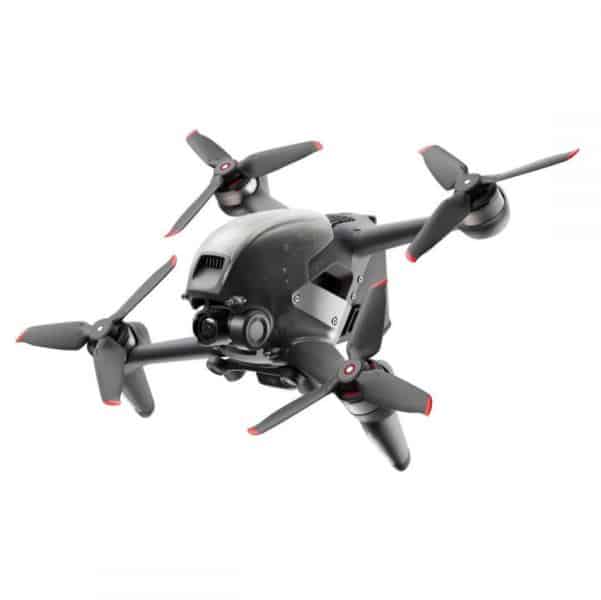
FPV pilots need an observer and plenty of space. Model aircraft club fields and private land with permission are often the best options. Avoid parks and beaches where people may wander into your flying area. Our guide to what is an FPV drone explains more.
Where can I fly my drone for business?
Business flying follows the same location rules, plus extra obligations. You’ll need registration and accreditation or a licence, and you may need permits from councils, parks or venues for commercial filming. Read our drone licence guide for the credentials you need.
Where can I fly my drone FAQ
How do I know if I can fly my drone somewhere?
Check a CASA-verified drone safety app for airspace restrictions, then check the land manager’s rules, such as the council, park or property owner.
Can I fly my drone in a park?
Often yes, if you follow CASA’s rules and the council allows it. Check local signage and council websites, and avoid busy times.
Can I fly my drone over the ocean?
Yes, within the rules, but make sure you can keep the drone in sight and stay clear of people. Waterproof drones are safer over water.
Can I fly my drone in the city?
City centres are often busy, populous areas and may be near airports or helicopter landing sites. Flying is usually difficult to do legally, so choose quieter locations.
Do I need permission to fly over private property?
It’s best to get permission from the landowner, both to take off from their land and to fly over it. Privacy and trespass laws may also apply.
Can I fly my drone on a road or footpath?
It’s best to avoid flying over roads and footpaths, where people and vehicles pass by and you can’t easily keep 30 m away. Choose open spaces instead.
Can I fly my drone at night to find a quieter spot?
No. Under the standard operating conditions, recreational flying is limited to daylight hours. Try early mornings instead.
Is it legal to fly my drone over a farm?
Yes, with the landowner’s permission and within CASA’s rules. Watch out for livestock and low-flying agricultural aircraft.
Where can I fly my drone if I live near an airport?
If you live within 5.5 km of a controlled aerodrome, a sub-250 g drone may be flown outside the approach and departure paths, while heavier drones must stay outside that distance. Otherwise, drive to a suitable location further away, and check a CASA-verified app before each flight.
Can I fly my drone in a caravan park or campground?
These are often busy with people, and many parks have their own rules. Ask the park manager first, and only fly if you can keep 30 m from other guests.
Find the right drone for your favourite spots
So, where can I fly my drone? In open areas away from people, airports and emergencies, with the land manager’s blessing and within CASA’s rules. A light, sub-250 g drone gives you the most flexibility, while waterproof drones open up the coast.
Explore our camera drones, waterproof drones or the full drone shop. Always check CASA’s drone rules before you fly.