How much does a drone cost in Australia? Anywhere from a few hundred dollars for a coding or entry-level drone to tens of thousands for agricultural and heavy-lift aircraft. The right budget depends on what you want to do, and the drone itself is only part of the total drone cost.
This guide answers how much does a drone cost using real price ranges from the Drones Direct range at the time of writing (October 2026), grouped by type. It also covers the extra costs most people forget, such as batteries, cases, licences and insurance, so you can budget with confidence. Prices change, so always check the product page for current pricing.
How much does a drone cost? Quick price guide
| Type of drone | Typical drone cost in our range | Examples |
|---|---|---|
| Education and coding drones | From around $400 | CoDrone EDU |
| Bind-and-fly FPV quads | From around $350 (goggles and radio extra) | iFlight TP X5 HD |
| Sub-250 g camera drones | Around $600 to $1,200 | DJI Mavic Mini, DJI Mini 2, DJI Mini 3 Pro |
| Mid-range camera drones | Around $1,700 to $2,700 | DJI Air 2S, Autel EVO Lite, DJI Mavic 3 Classic |
| Ready-to-fly FPV kits | Around $2,100 | DJI FPV Combo |
| Professional cinema drones | Around $7,000 and up | DJI Mavic 3 Cine Premium Combo |
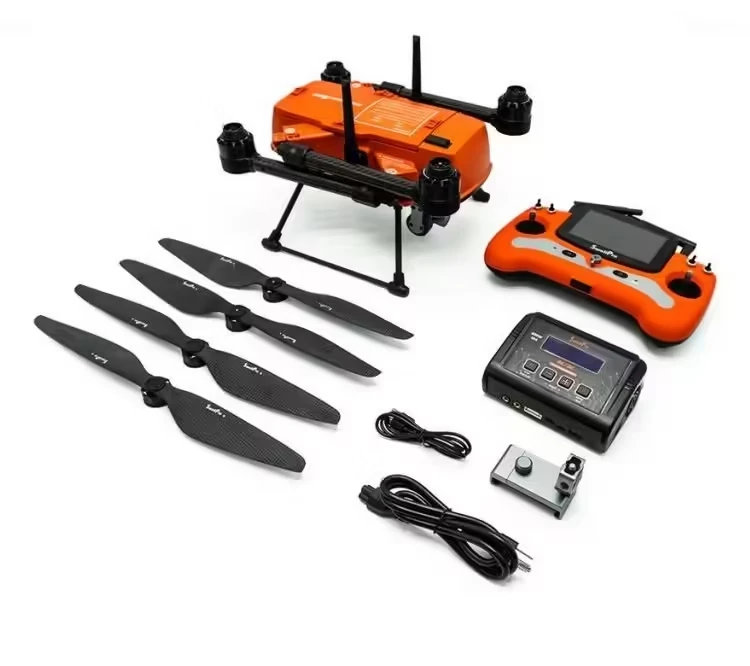
| Fishing and waterproof drones | Around $3,400 to $5,400 | SwellPro Fisherman MAX, SplashDrone 4 Plus |
| Underwater drones | Around $2,200 to $10,000 | Chasing Gladius Mini S, Chasing M2 Pro Max |
| Enterprise and thermal drones | Around $6,000 to $20,000 | DJI Mavic 3 Enterprise, DJI Matrice 4T |
| Agricultural spray drones | Around $20,000 | DJI Agras T10 |
| Heavy-lift delivery drones | Around $27,000 | DJI FlyCart 30 |
Prices are rounded from the Drones Direct range in October 2026 and may change. Check each product page for current pricing.
What affects drone cost?
Understanding what drives the price helps answer how much does a drone cost for your needs.
- Camera and sensor size. Larger sensors, higher resolutions and professional codecs cost more.
- Obstacle sensing and safety features. More sensors add cost but reduce crash risk.
- Flight time and transmission. Bigger batteries and stronger links increase the price.
- Payload and capability. Thermal, multispectral, spray and lifting capabilities are specialist and expensive.
- Durability and weather resistance. Waterproof and IP-rated aircraft cost more.
- Bundles and care plans. Fly More kits and care plans add value at a higher upfront drone cost.
Entry-level drones: from a few hundred dollars
At the entry level, education drones and bind-and-fly FPV quads start at a few hundred dollars. The CoDrone EDU is a programmable drone for learning to code, while classroom packs suit schools.
Bind-and-fly FPV quads such as the iFlight TP X5 HD look cheap, but remember you’ll also need goggles, a radio, batteries and a charger.
Sub-250 g camera drones: around $600 to $1,200
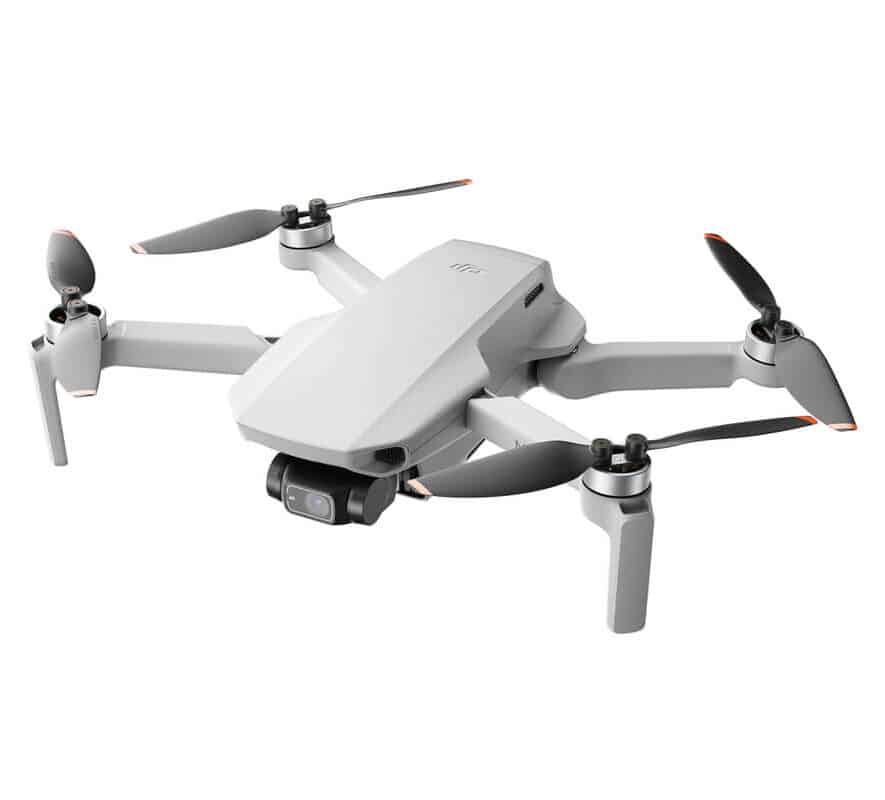
For most people, a sub-250 g camera drone is the sweet spot. The DJI Mavic Mini and DJI Mini 2 are affordable entry points, while the DJI Mini 3 Pro and Autel EVO Nano add better cameras and obstacle sensing.
These drones fall into the most relaxed weight class and suit beginners, travellers and content creators. Our mini drone guide compares them in detail.
Mid-range camera drones: around $1,700 to $2,700
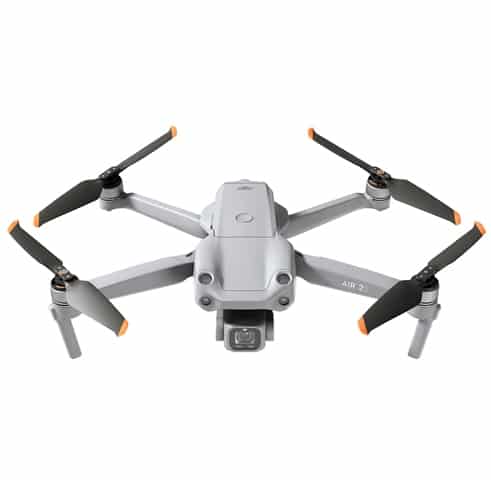
Mid-range drones bring larger sensors and more creative control. The DJI Air 2S offers a 1-inch sensor, the Autel EVO Lite long flight times, and the DJI Mavic 3 Classic a Four Thirds camera. The Autel EVO II Pro 6K also sits in this bracket.
Professional drones: $7,000 and up
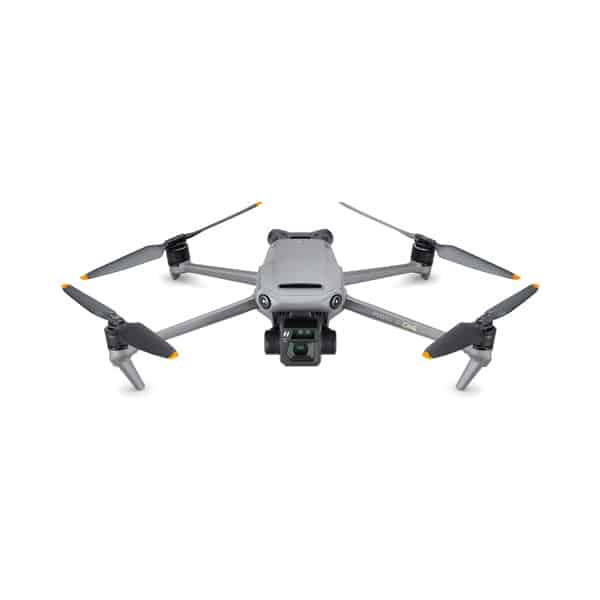
Professional filmmakers need cinema-grade cameras and codecs. The DJI Mavic 3 Cine Premium Combo records Apple ProRes with a Four Thirds Hasselblad camera, which explains its higher drone cost.
Specialist drones: fishing, underwater, enterprise and agriculture
Specialist drones cost more because they’re built for demanding jobs.
- Fishing drones like the SwellPro Fisherman MAX carry heavy baits and survive salt water.
- Underwater drones like the Chasing M2 Pro Max inspect hulls, moorings and reefs.
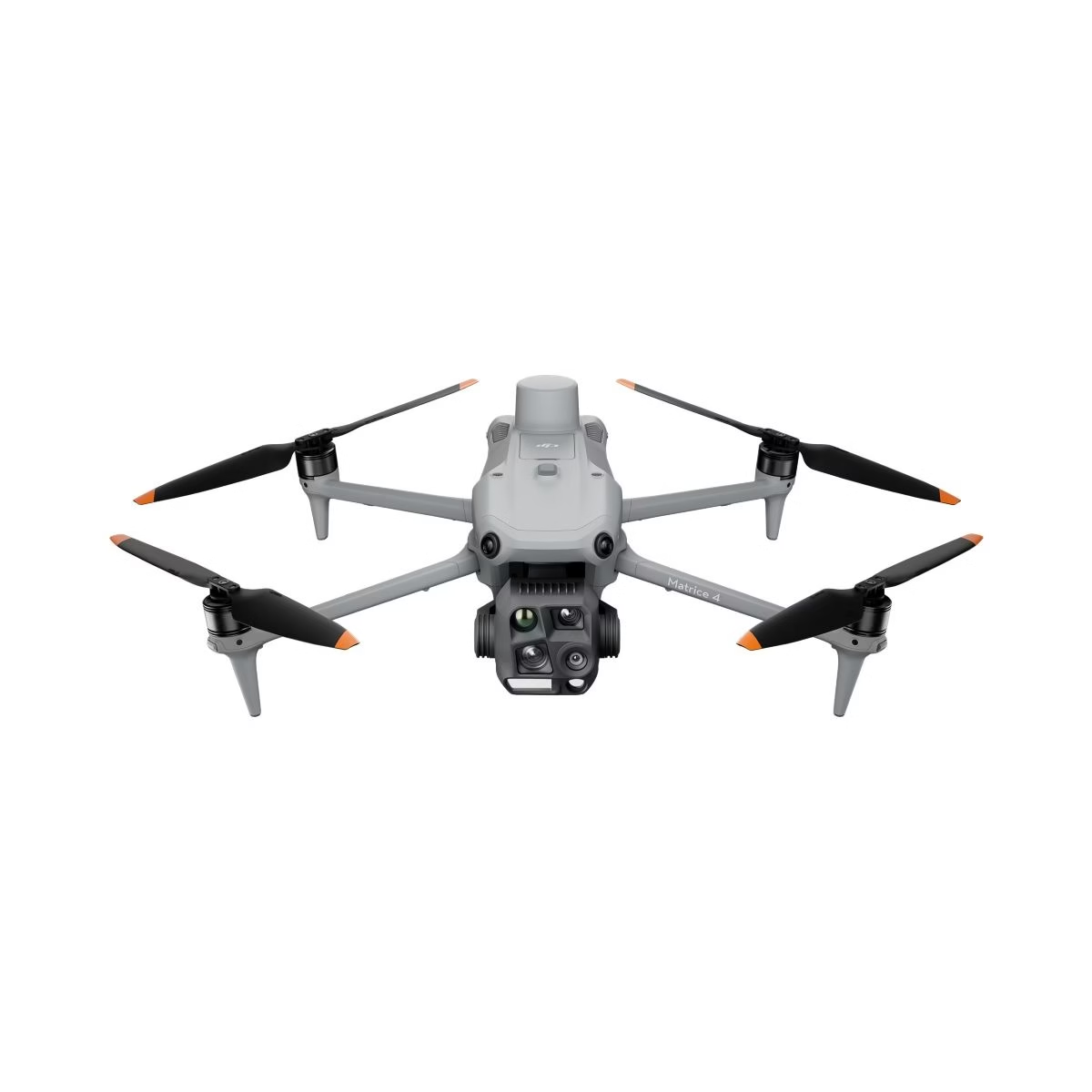
- Enterprise drones like the DJI Matrice 4T combine thermal, zoom and laser rangefinding for inspection and public safety work.
- Agricultural drones like the DJI Agras T10 spray and spread across farms.
- Delivery drones like the DJI FlyCart 30 carry heavy loads to remote sites.
The hidden costs of owning a drone
When working out how much does a drone cost overall, include the extras. They can add a significant amount to your budget.
| Extra cost | Why you need it |
|---|---|
| Spare batteries | One battery rarely covers a full outing |
| Charging hub | Charges multiple batteries efficiently |
| Protective case | Protects your investment in transit |
| ND filters | Smooth, cinematic video in bright light |
| Spare propellers | Props chip and wear out |
| Memory cards | Fast cards for high-resolution video |
| Care plan or insurance | Covers accidents and liability |
| Training and licences | Required for some commercial work |
| Software | Editing, mapping or analysis tools |
Fly More kits and bundles often bundle batteries, chargers and cases at better value than buying separately.
Accessory price guide
Accessories make a big difference to how much you enjoy your drone, and they’re part of the real drone cost. Here’s what to consider.
- Spare batteries: the most useful accessory for longer sessions.
- Charging hub: charges several batteries in sequence.
- Hard case: fitted cases from brands like Nanuk protect drones in transit. See our Nanuk drone cases.
- ND filters: essential for smooth video in bright Australian sun.
- Landing pad: keeps dust and sand away from motors and the camera.
- Range extenders and controllers: upgrades for specific models in our accessories and spares range.
- Portable power: power stations for charging in the field, such as our EcoFlow portable power range.
Why cheap drones can cost more
A very cheap drone can end up costing more over time. Without GPS, it drifts and crashes more often. Without spare parts, a broken arm can write it off. And without decent cameras, the footage may not be worth keeping.
A quality entry-level camera drone with GPS, return-to-home and available spares usually delivers better value over its life, even if the upfront price is higher.
Questions to ask before you buy
- What will I mainly use the drone for?
- Do I need a sub-250 g drone for simpler rules and travel?
- Will I fly for business, and what credentials will I need?
- What accessories do I need from day one?
- How will I protect my investment: care plan, insurance or both?
Answering these questions first helps you choose the right drone at the right price.
Drone cost for schools and clubs
Schools, coding clubs and STEM programs usually need several drones at once. Classroom packs such as the DJI Tello Education Classroom Pack and the CoDrone EDU Classroom Set bundle multiple drones, which can lower the drone cost per student. A Portable Drone Cage adds a safe indoor flying space. Our drone for kids guide covers education drones in more detail.
Drone cost for content creators
Creators often balance image quality, portability and budget. A sub-250 g drone with true vertical shooting suits social media, while a mid-range drone with a larger sensor suits YouTube and client work. Many creators also add a 360 camera; our best 360 camera guide explains the options.
Running costs
Owning a drone also has ongoing costs:
- Battery replacement as batteries age and lose capacity.
- Repairs after crashes or wear.
- Insurance renewals, especially for commercial pilots.
- Registration and accreditation renewals for business use.
- Software subscriptions for editing or mapping.
Budget by goal
Rather than starting with a price, start with what you want to do. Here’s a realistic drone cost guide by goal.
“I want to film holidays and family moments”
A sub-250 g camera drone covers this perfectly. Add a Fly More combo for extra batteries and a case for travel. Expect your total drone cost to sit around the price of the drone plus a few hundred dollars in accessories.
“I want to start a photography side business”
A capable sub-250 g or mid-range camera drone, plus spare batteries, ND filters, insurance, registration and accreditation. Budget for editing software too.
“I want to try FPV”
A ready-to-fly kit like the DJI FPV Combo includes everything. Bind-and-fly quads cost less on their own but need goggles, a radio, batteries and a charger.
“I want to fish with a drone”
Purpose-built fishing drones start at a few thousand dollars. Budget for spare batteries, a car charger and payload releases. Our guide to the best fishing drone compares options.
“I need a drone for inspections or mapping”
Enterprise drones with zoom, thermal or RTK cost more, and you’ll need training, software and insurance. Our thermal drone guide covers the options.
“I want to spray or spread on my farm”
Agricultural drones are a significant investment, with batteries, chargers, generators, training and licences on top. Read our drone spraying guide before you buy.
Total cost of ownership: three examples
These rough examples show how extras add up. Figures are illustrative and based on typical needs.
| Holiday flyer | Side-business photographer | Farm spraying | |
|---|---|---|---|
| Drone | Sub-250 g camera drone | Mid-range camera drone | Agricultural spray drone |
| Batteries and charging | Fly More combo | Extra batteries and hub | Several batteries and a battery station |
| Protection | Case | Case and care plan | Case, spares and maintenance |
| Compliance | None for recreation | Registration and accreditation | CASA credentials and state chemical licences |
| Insurance | Optional | Public liability recommended | Public liability and hull cover |
| Software | Phone app | Editing software | Mapping and spray planning |
How to save money on drone cost
- Buy a bundle. Fly More kits often cost less than buying batteries and chargers separately.
- Choose an older flagship. Previous-generation models like the DJI Mini 3 Pro can deliver excellent results for less.
- Check sale items. Our on sale section lists marked-down products.
- Buy for your needs, not the spec sheet. Don’t pay for features you won’t use.
- Protect your investment. A care plan can be cheaper than one crash repair.
- Look after batteries. Proper charging and storage extends their life.
New vs second-hand drones
Second-hand drones can look tempting, but there are risks.
| New from a retailer | Second-hand | |
|---|---|---|
| Warranty | Full manufacturer warranty | Often limited or none |
| Condition | Guaranteed | Unknown crash or battery history |
| Accessories | Complete | May be missing parts |
| Support | Retailer and manufacturer | Limited |
| Price | Higher | Lower |
If you do buy second-hand, check battery health, flight logs, serial numbers and the drone’s registration status. Our drone buying checklist explains what to look for.
Commercial drone costs
Commercial operators face extra costs beyond the aircraft. Business flying requires drone registration and at least RPA operator accreditation, and heavier drones or complex operations need a remote pilot licence (RePL) and possibly a remote operator’s certificate (ReOC).
Accreditation is free from CASA, while RePL training is set by training providers. Registration fees are set by CASA and can change, so check myCASA for current amounts. You can learn more on CASA’s drone rules page and in our drone licence guide.
Price vs quality: what extra money buys
As drone cost rises, here’s what you typically gain at each step.
- Better image quality: larger sensors, higher resolutions and better low-light performance.
- More safety features: obstacle sensing in more directions and smarter return-to-home.
- Longer flights: bigger batteries and more efficient designs.
- Stronger transmission: more stable video links and better interference handling.
- Professional features: advanced codecs, mapping tools, thermal sensors and RTK positioning.
- Durability: weather resistance, rugged frames and replaceable parts.
If a feature doesn’t match how you’ll fly, you don’t need to pay for it. That’s the simplest way to keep drone cost under control.
Battery economics
Batteries are a big part of long-term drone cost. Each battery has a limited number of charge cycles before its capacity drops, and heavy users replace batteries regularly.
- Buy enough batteries upfront so you’re not cycling one battery to death.
- Store batteries at around half charge when not in use.
- Avoid fully draining batteries during flights.
- Keep batteries cool and never charge them while hot.
- Retire damaged batteries immediately for safety.
Looking after batteries properly can noticeably reduce your running costs.
When should you upgrade?
Upgrading makes sense when your current drone limits your results or your business. Common reasons include needing a better camera for paid work, wanting obstacle sensing after a near miss, or moving into specialist work like mapping or thermal inspection.
If your current drone still does what you need, keeping it and investing in skills, batteries or software is often the smarter move.
Business drone cost and tax
For businesses, the drone cost, accessories, insurance and training may be treated as business expenses or depreciable assets, depending on your circumstances. Speak to your accountant for advice specific to your situation, and keep receipts and records for every purchase.
Is it worth spending more?
Spending more makes sense when you’ll use the extra capability. A beginner filming holidays rarely needs a cinema drone, while a surveyor can’t do the job without RTK and mapping software. Match the drone cost to the value it delivers.
How much does a drone cost FAQ
How much does a good beginner drone cost?
In our range, quality beginner camera drones start at around $600 to $750 at the time of writing, such as the DJI Mavic Mini and DJI Mini 2.
How much does a professional drone cost?
Professional camera drones start at around $2,400 for models like the Mavic 3 Classic and go above $7,000 for cinema drones, while enterprise drones range from around $6,000 to $20,000.
How much does an agricultural drone cost?
The DJI Agras T10 is around $20,000 in our range at the time of writing, before batteries, chargers and training.
Are cheap drones worth it?
Very cheap toy drones can be fun, but they usually lack GPS, stable hovering and spare parts. An entry-level camera drone is often better value long term.
What extra costs should I budget for?
Spare batteries, a case, memory cards, propellers, ND filters and a care plan or insurance. Commercial pilots should also budget for training, registration and accreditation.
Do drone prices include batteries and chargers?
Most drones include one battery and a charger, but bundles like Fly More combos add extra batteries and a charging hub. Check each product listing to see exactly what’s in the box.
How much does a thermal drone cost?
Thermal drones in our range start at a few thousand dollars for entry-level models and rise to over $10,000 for enterprise aircraft like the DJI Matrice 4T, at the time of writing.
Is it cheaper to hire a drone pilot than buy a drone?
For one-off jobs, hiring a licensed operator is often cheaper and avoids training and compliance costs. If you need regular flights, owning a drone usually pays off over time.
Find a drone for your budget at Drones Direct
So, how much does a drone cost? From a few hundred dollars for an education or FPV drone to around $27,000 for a heavy-lift delivery drone. Choose the type that fits your goals, then budget for the extras that keep it flying.
Read our drone buying checklist, see our guide to best budget drones or browse the full drone shop.