Searching for a drone licence Australia answer usually leads to a confusing mix of acronyms: RePL, ReOC, ARN and accreditation. The good news is that the rules follow a clear logic. Whether you need a drone licence depends mainly on two things: whether you fly for fun or for work, and how heavy your drone is.
This guide explains every drone licence Australia option in plain terms. You’ll learn when no licence is needed, when a free online accreditation is enough, when you need a remote pilot licence (RePL), and when a business needs a remote operator’s certificate (ReOC). It’s general information only, so always confirm your situation with CASA.
Do you need a drone licence in Australia?
Here’s the short answer to the most common drone licence question.
| Your situation | What you need |
|---|---|
| Flying for fun, any common weight | No licence, but follow CASA’s safety rules |
| Flying for business with a drone up to 2 kg | Drone registration plus RPA operator accreditation |
| Flying over your own land, unpaid, up to 25 kg | Registration plus RPA operator accreditation |
| Flying for business with a drone over 2 kg | A remote pilot licence (RePL), and a ReOC or flying under someone else’s |
| Running a commercial drone business | A ReOC for the business, plus licensed pilots |
| Flying outside the standard operating conditions | A RePL, a ReOC and specific CASA approvals |
The rest of this guide explains each drone licence and certificate in more detail.
Flying for fun: no drone licence needed
If you fly purely for recreation, you don’t need a drone licence in Australia. That includes flying a camera drone on holiday, filming your own adventures or learning to fly FPV.
You must still follow CASA’s standard operating conditions every time you fly, such as staying below 120 m, keeping the drone in sight and staying 30 m from people. Our guide to CASA drone rules covers those in detail.
What counts as flying for business?
Many people assume a drone licence is only for professional pilots, but the line between fun and business is broader than it seems. CASA treats flying as business or work-related when it’s for, or as part of, a job or commercial activity.
Examples that usually count as business:
- Selling photos or videos taken with your drone.
- Filming for a client, an employer or your own business’s marketing.
- Inspecting roofs, gutters, solar panels or infrastructure for work.
- Real estate photography, even as a side hustle.
- Monitoring, surveying or research as part of your job.
Examples that usually count as recreation:
- Filming your own holidays and family events.
- Posting personal footage on social media without payment.
- Learning to fly or flying FPV for fun.
If you’re unsure, check CASA’s guidance before you fly, because the right drone licence or accreditation depends on it.
The excluded category explained
The “excluded category” is CASA’s term for lower-risk operations that don’t need a RePL or ReOC. These operations still need drone registration and RPA operator accreditation, and they must follow the standard operating conditions.
Common excluded category operations include:
- Very small drones up to 2 kg flown for business.
- Small drones up to 25 kg flown over your own land without payment, such as farm monitoring.
- Some operations by landholders on their own property under specific conditions.
Outside the excluded category, you’ll generally need a RePL and to operate under a ReOC.
RPA operator accreditation
The RPA operator accreditation is the entry-level credential for flying for business. It’s often described as a “drone licence”, but technically it’s an accreditation rather than a licence.
According to CASA’s accreditation page, accreditation is free, completed online and valid for three years. You’ll watch an online safety course and pass a quiz, with a score of 85 per cent or higher required. You must be 16 or older to become accredited, and under-16s must be supervised by an accredited adult.
Who needs accreditation?
- Anyone flying a drone up to 2 kg for business or as part of their job, including selling photos or videos.
- Anyone flying a drone of 2 kg to 25 kg over their own land for business purposes without being paid.
- Pilots supervising others in these situations.
Your drone must also be registered with CASA for these operations. Read our guide to drone registration in Australia for the steps.
Remote pilot licence (RePL)
The remote pilot licence, or RePL, is the true drone licence in Australia. It’s required for most commercial work with drones heavier than 2 kg, and for operations outside the standard conditions.
How to get a RePL
- Choose a CASA-certified training provider. Many offer courses in major cities and regional centres.
- Complete theory training. Topics include air law, meteorology, navigation, human factors and operational procedures.
- Complete practical training. You’ll learn to fly, handle emergencies and plan operations on the type of aircraft you’ll use.
- Pass the assessments. Theory exams and a practical flight test confirm your competency.
- Receive your licence. The training provider submits your application, and CASA issues the RePL.
A RePL is issued for a type of aircraft, such as a multirotor, and a weight category. If you later fly heavier aircraft or a different type, you may need extra training.
Who needs a RePL?
- Commercial pilots flying drones over 2 kg.
- Pilots working under a ReOC, including for spraying, surveying, inspections and filming.
- Pilots flying drones over 25 kg over their own land.
- Anyone who wants approvals to fly outside the standard operating conditions, such as near controlled aerodromes or at night.
Remote operator’s certificate (ReOC)
A ReOC is a certificate for an organisation rather than a person. It allows a business to offer commercial drone services with heavier drones or under more complex conditions.
To obtain a ReOC, a business typically needs a chief remote pilot, documented operations and maintenance procedures, and a safety management approach. Many sole traders choose to fly under an existing ReOC holder’s certificate instead of getting their own.
Which drone licence do you need? Examples
| Example | Likely requirement |
|---|---|
| Filming your own family holiday with a 249 g drone | No licence |
| Selling real estate photos taken with a 249 g drone | Registration and RPA operator accreditation |
| Inspecting roofs for a business with a 900 g drone | Registration and RPA operator accreditation |
| Surveying a client’s site with a 4 kg drone | RePL, and a ReOC or flying under one |
| Spraying your own crops with a spray drone | CASA requirements by weight, plus state chemical licences |
| Night search operations with a thermal drone | RePL, ReOC and specific approvals |
For spraying, CASA’s rules are only half the picture. State chemical licences also apply, so read our guide to drone spraying before you start.
Choosing a drone to match your credentials
Your drone choice affects which credentials you need, so it’s worth planning both together.
| Drone class | Example in our range | Typical requirement for business use |
|---|---|---|
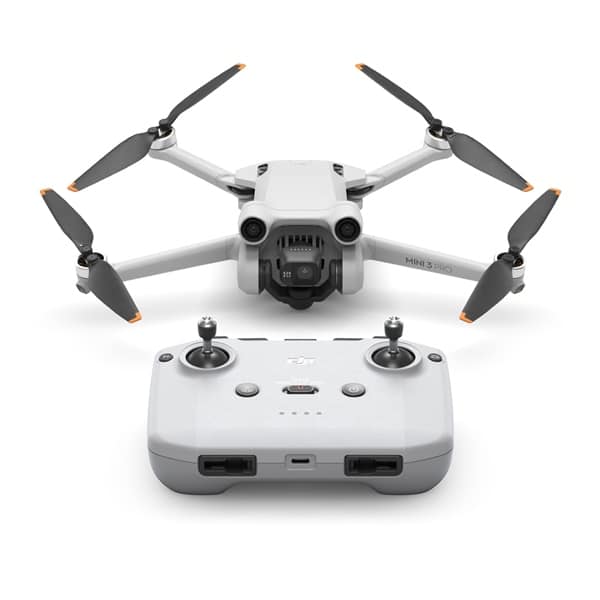
| Micro, 250 g or less | DJI Mini 3 Pro | Registration and accreditation |
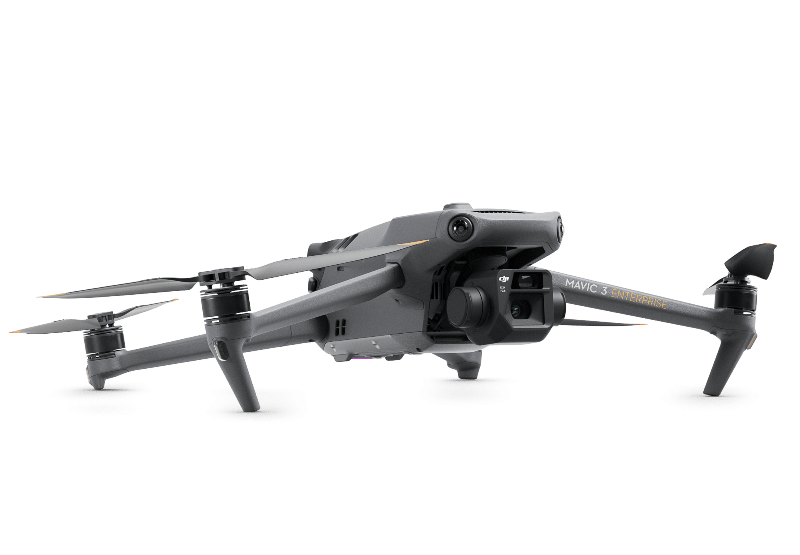
| Very small, up to 2 kg | DJI Mavic 3 Enterprise | Registration and accreditation |
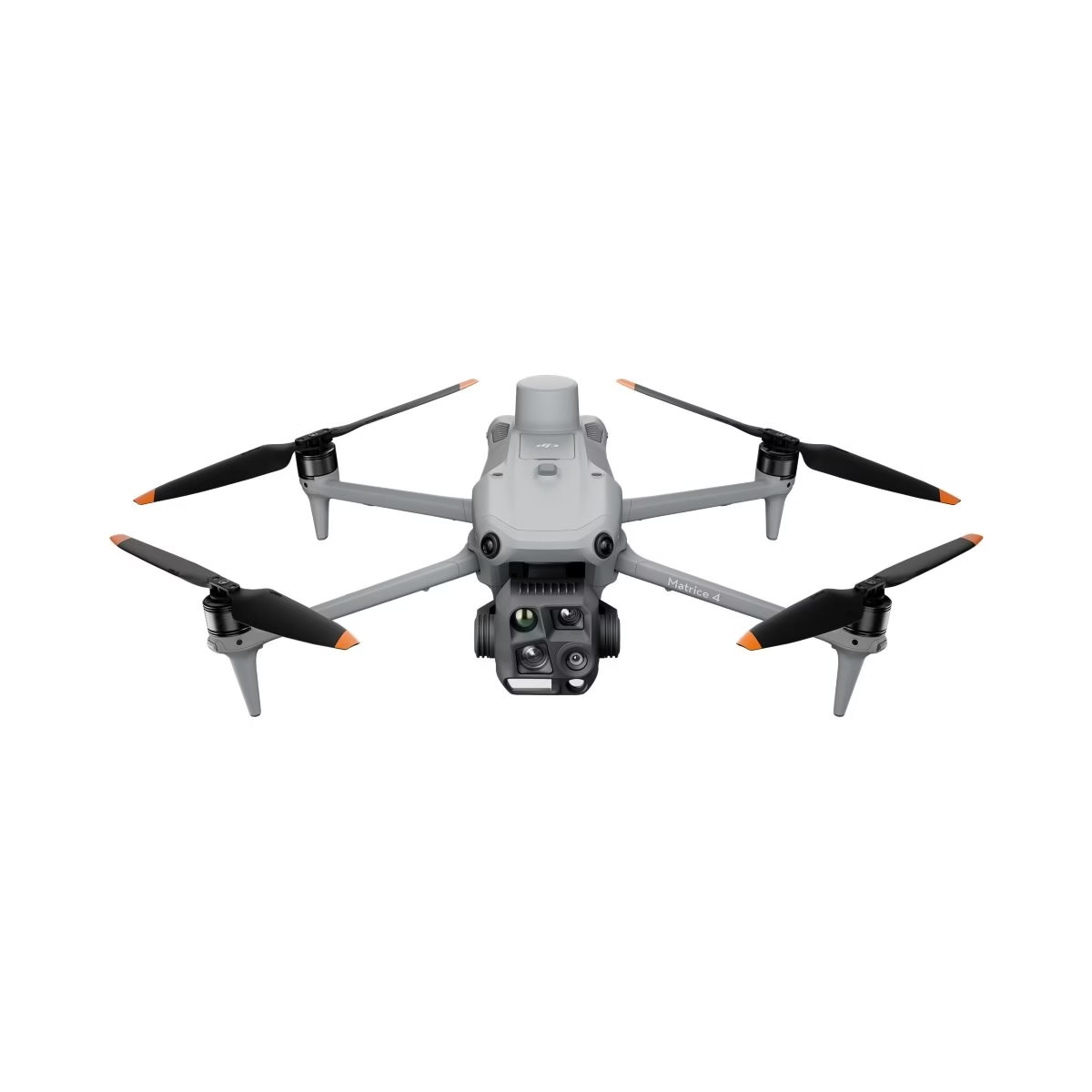
| Enterprise, over 2 kg | DJI Matrice 30T | RePL and ReOC |
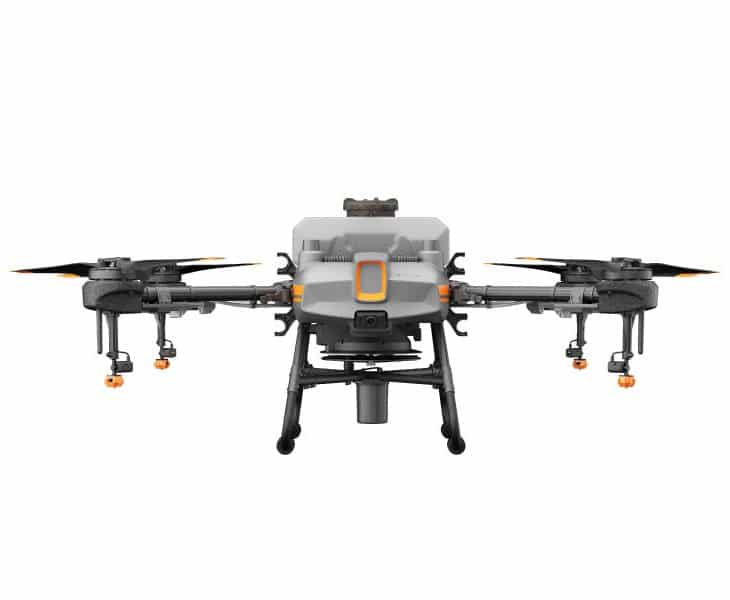
| Agricultural spray drone | DJI Agras T10 | Depends on weight and use, plus state chemical licences |
Starting with a sub-2 kg drone lets many new operators begin paid work with accreditation alone, then upgrade to a RePL as the business grows.
How much does a drone licence cost in Australia?
The cost depends on which credential you need.
- RPA operator accreditation: free from CASA.
- Drone registration: CASA sets the fees, which depend on the drone and change over time. Check myCASA for current amounts.
- RePL training: set by training providers and varies with the course, aircraft type and location.
- ReOC: involves CASA application fees and the time to prepare manuals and procedures.
Ask training providers what’s included, such as aircraft hire, theory materials and assessments, before you book.
How long does it take?
Accreditation can be completed online in a short session. A RePL course usually runs over several days of theory and practical training, depending on the provider and your experience. A ReOC takes longer, because the business must prepare documentation and work through CASA’s assessment.
Drone licence Australia rules for under-16s
Recreational flying has no minimum age, but young pilots must follow the same safety rules. For business operations, CASA states that you must be 16 or older to become an accredited operator, and an accredited adult must supervise anyone under 16.
If your child is just getting started, our guide to choosing a drone for kids explains safe first drones and supervision.
Choosing a RePL training provider
A RePL is a significant investment, so it pays to choose a provider carefully. Ask these questions when comparing courses.
- Is the provider certified by CASA to deliver RePL training?
- Which aircraft types and weight categories does the course cover?
- How much practical flying is included, and on which aircraft?
- Are theory materials, exams and flight tests included in the price?
- Does the course include aeronautical radio or other add-ons you may need?
- Can the provider help with next steps, such as joining a ReOC or getting approvals?
Choose a course that matches the work you plan to do. A pilot planning spraying, surveying or inspection work may need training on specific aircraft.
Starting a drone business: the licence path
If you plan to turn drone flying into a business, here’s a typical path.
- Start with accreditation. Register your drone and complete RPA operator accreditation so you can take on sub-2 kg jobs within the standard conditions.
- Build experience. Log your flights, refine your skills and build a portfolio.
- Get insurance. Most clients will ask for public liability cover. Our guide to drone insurance in Australia explains the options.
- Earn your RePL. When you need heavier aircraft or more complex work, complete a RePL course.
- Decide on a ReOC. Either apply for your own ReOC or fly under an established operator.
- Add approvals as needed. Night operations, controlled airspace or beyond line of sight need specific CASA approvals.
Keeping your credentials current
Every drone licence and accreditation comes with responsibilities. Keep your myCASA details up to date, renew your accreditation before it expires, keep your drone registrations current and maintain flight logs.
If you operate under a ReOC, follow the operator’s procedures, training and record-keeping requirements. Regular reviews of the rules help you stay compliant as regulations change.
Drone licence terms explained
The acronyms are the hardest part of understanding any drone licence in Australia. Here’s a quick glossary.
- CASA: the Civil Aviation Safety Authority, Australia’s aviation regulator.
- myCASA: CASA’s online portal for accreditation, registration and other services.
- ARN: aviation reference number, an identifier CASA issues to individuals and organisations.
- RPA: remotely piloted aircraft, the regulatory term for a drone.
- Accreditation: the free online RPA operator accreditation for many business operations.
- RePL: remote pilot licence, the full drone licence for more complex or heavier operations.
- ReOC: remote operator’s certificate, held by organisations offering commercial drone services.
- Excluded category: lower-risk operations that don’t need a RePL or ReOC.
- Standard operating conditions: the core safety rules that apply to most flights.
Common drone licence mistakes
These are the most frequent errors new commercial pilots make.
- Assuming small drones need nothing. Even a 249 g drone needs registration and accreditation when flown for business.
- Letting accreditation lapse. It expires after three years, so set a reminder to renew.
- Forgetting to register a new drone. Every drone used for business needs to be registered.
- Taking on jobs outside your credentials. Heavier drones, night work or controlled airspace usually require a RePL, a ReOC and approvals.
- Ignoring state rules. Some jobs, like chemical spraying, need state licences on top of any drone licence.
Visiting Australia with a drone
Visitors flying for fun follow the same recreational rules as residents and don’t need a drone licence. If you plan to fly for business while visiting, you’ll need the relevant Australian credentials, even if you hold a licence from another country. Check CASA’s guidance well before your trip.
Penalties for flying without the right credentials
Flying commercially without the required accreditation, registration or licence can lead to fines from CASA. Breaking the standard operating conditions can also attract penalties, whether you fly for fun or for work.
Beyond fines, flying without the right drone licence can void your insurance and lose you clients. It pays to get the paperwork right before your first paid job.
Drone licence Australia FAQ
Do I need a drone licence to fly for fun?
No. Recreational pilots don’t need a drone licence in Australia, but they must follow CASA’s safety rules every time they fly.
Is accreditation the same as a drone licence?
Not quite. RPA operator accreditation is a free online credential for many business operations with drones up to 2 kg. A RePL is a full remote pilot licence that requires formal training.
Do I need a licence to sell drone photos?
Yes, some credentials are needed. Selling photos counts as business use, so you need drone registration and at least an RPA operator accreditation for drones up to 2 kg.
Can I get a drone licence online?
You can get RPA operator accreditation online through myCASA. A RePL requires training with a CASA-certified provider, including practical flying.
Do I need a RePL to fly a DJI Mini for business?
Usually not. Sub-2 kg drones flown for business typically need registration and accreditation rather than a RePL, as long as you stay within the standard operating conditions.
Does my drone licence expire?
Accreditation is valid for three years and must be renewed. Check the conditions of your RePL and any approvals, and keep your details current in myCASA.
Can I use an overseas drone licence in Australia?
Generally, overseas licences don’t automatically allow commercial flying in Australia. Check CASA’s requirements for converting or recognising foreign qualifications before you fly for business here.
What’s the difference between a RePL and a ReOC?
A RePL is a drone licence for an individual pilot. A ReOC is a certificate for an organisation that conducts commercial drone operations. Many businesses need both: licensed pilots flying under the organisation’s ReOC.
Do I need a drone licence to fly near an airport?
Drones over 250 g must stay at least 5.5 km from controlled aerodromes under the standard operating conditions. Flying closer requires specific CASA approval, which typically involves holding a RePL and operating under a ReOC.
Do I need a licence to fly a drone at night?
Night flying sits outside the standard operating conditions. It requires specific CASA approval, usually as part of a ReOC, along with appropriately trained pilots.
Get the right drone for your licence
Once you know which drone licence Australia requires for your flying, choosing the right aircraft is easier. Sub-250 g and sub-2 kg drones keep requirements simpler, while enterprise and agricultural aircraft suit licensed operators.
Explore camera drones, enterprise drones or the full drone shop, and check our drone buying checklist before you buy.