Drone registration Australia rules catch out a lot of new pilots, especially those who start selling photos or using a drone at work. The rules are simple once you know them: if you fly for business or as part of your job, your drone must be registered with CASA, whatever it weighs.
This guide explains who needs drone registration in Australia, how to register in six steps through myCASA, what renewals involve and how the rules differ for recreational pilots. It’s general information, so always confirm current requirements with CASA before you fly.
Who needs drone registration in Australia?
| Who you are | Drone registration needed? |
|---|---|
| Flying purely for fun or sport | Not currently required |
| Flying for business or as part of your job, any weight | Yes |
| Flying over your own land for business, without payment | Yes |
| Operating under a ReOC | Yes |
| Visiting with a drone you only fly recreationally | Not currently required |
The key rule is about how you fly, not just what you fly. A 249 g drone used to sell real estate photos needs drone registration, while a heavier drone flown only for fun currently doesn’t.
Recreational pilots
CASA has previously announced a registration scheme for recreational drones over 250 g, but its introduction has been paused. Recreational pilots currently don’t need to register, but they must still follow every standard operating condition.
Because this could change, check CASA’s drone rules for the latest position.
What counts as business use?
If any part of your flying is for work or reward, drone registration Australia rules apply. Common examples include:
- Selling or licensing photos and videos.
- Filming for clients, employers or your own business’s marketing.
- Roof, gutter, solar or infrastructure inspections.
- Real estate photography, even as a side job.
- Survey, mapping, research or monitoring work.
- Agricultural tasks such as monitoring or spraying for business.
How to register your drone: 6 steps
The drone registration Australia process is completed online through myCASA.
- Create a myCASA account. Sign up on CASA’s website and verify your identity.
- Get an aviation reference number (ARN). Your ARN is your unique identifier with CASA, issued as part of setting up your account.
- Choose the type of account. Register as an individual, or as an organisation if the business will own the drones.
- Enter your drone details. You’ll typically need the make, model, serial number and weight of each drone.
- Pay any fee and submit. CASA sets the registration fees, which can vary by drone. Check myCASA for current amounts.
- Keep your records. Save your confirmation and keep registration details handy when you fly.
You’ll also need an RPA operator accreditation, or a remote pilot licence, for business flying. Our drone licence guide explains which one you need.
What you’ll need before you start
Having everything ready makes drone registration quick. Gather these details before you log in.
- Identity documents to verify your identity when creating a myCASA account.
- Business details such as an ABN if you’re registering drones under an organisation.
- Each drone’s make and model.
- Each drone’s serial number, usually found on the aircraft, its packaging or in the app.
- Each drone’s weight, as listed by the manufacturer.
- A payment method for any registration fees.
A closer look at the myCASA process
The online process is straightforward, but a few tips help it go smoothly.
Setting up your account
When you create a myCASA account, you’ll be asked to confirm your identity. Use your legal name exactly as it appears on your documents, and make sure your email address and phone number are current so you receive reminders.
Individual or organisation?
Sole traders often register drones as individuals. Businesses with several pilots or drones usually find an organisation account easier, because the fleet stays with the business even if staff change.
Adding drones
Add each drone one at a time. Double-check serial numbers, because a typo can cause problems if you ever need to prove ownership or make an insurance claim.
After registration
Download or screenshot your confirmation and store it with your accreditation details. Some clients ask to see proof of drone registration before a job starts.
How long does registration last?
Drone registration in Australia is valid for a set period and must be renewed to stay current. myCASA sends reminders, but it’s worth setting your own reminder so a lapsed registration doesn’t interrupt work.
If you sell, retire or lose a drone, update its status in myCASA so your records stay accurate.
Drone registration costs
CASA sets drone registration fees and reviews them from time to time. Fees have historically depended on the drone’s weight, with lighter drones attracting lower or no fees. Always check the current amounts in myCASA before you register.
When budgeting for a drone business, also include accreditation or licensing, insurance and equipment. Our guide to drone insurance in Australia covers cover options.
Registration vs accreditation vs licence
These terms are often confused. Here’s how they fit together.
| Credential | Applies to | Purpose |
|---|---|---|
| Drone registration | The aircraft | Records which drones are used for business |
| RPA operator accreditation | The pilot | Confirms you know the rules for many sub-2 kg business operations |
| Remote pilot licence (RePL) | The pilot | Full drone licence for heavier or complex operations |
| Remote operator’s certificate (ReOC) | The business | Allows an organisation to run commercial drone operations |
Most business pilots need drone registration plus at least one pilot credential.
Registration for businesses with several drones
Businesses often register drones under an organisation account rather than an individual. This keeps the fleet together, makes it easier to manage multiple pilots and helps when drones change hands within the business.
Keep a simple fleet register with each drone’s serial number, registration status, maintenance history and the pilots who fly it.
Drone registration for farmers
Farmers who fly over their own land for business purposes, such as checking stock or crops, generally need drone registration and RPA operator accreditation, even without being paid. Heavier drones and chemical spraying bring extra requirements. Our guides to drone spraying and how drones are used in agriculture explain more.
Buying or selling a registered drone
If you buy a second-hand drone for business use, register it under your own account before you fly it for work. The previous owner should update or remove the drone from their account when they sell it.
If you sell a drone, update its status in myCASA so it’s no longer linked to you. Keep a record of the sale date and the buyer’s details for your own files. Our drone buying checklist covers what else to check when buying second-hand.
Drone registration by industry
| Industry | Typical drones | Registration needed? |
|---|---|---|
| Real estate photography | Sub-250 g and sub-2 kg camera drones | Yes, for business use |
| Construction and inspections | Enterprise and zoom drones | Yes |
| Agriculture | Mapping, thermal and spray drones | Yes, for business use, including own land |
| Media and events | Camera and FPV drones | Yes |
| Emergency services and councils | Thermal and enterprise drones | Yes |
| Hobby and travel | Camera and FPV drones | Not currently required |
Common drone registration mistakes
- Assuming light drones are exempt. Weight doesn’t matter for business use; every drone must be registered.
- Registering the wrong serial number. Check the aircraft serial number, not the controller’s.
- Forgetting new drones. Add every new aircraft before its first business flight.
- Letting registrations lapse. Set reminders well before expiry.
- Mixing up registration and accreditation. You need both for most business flying.
Changes on the horizon
CASA continues to review its drone rules. Proposals have included changes to how sub-250 g drones are treated and the introduction of remote identification, where drones broadcast identification information. These changes could affect drone registration in Australia in the future.
Keep an eye on CASA announcements and check myCASA periodically so you’re ready for any new requirements.
Why drone registration exists
Drone registration helps CASA understand who is flying drones for work and contact operators with safety information. It also supports accountability: if a commercial drone is involved in an incident, registration helps link it to the responsible operator.
For legitimate operators, registration is part of looking professional. Clients, councils and venues increasingly expect to see proof of drone registration and credentials before work begins.
Choosing a drone for business use
Your choice of drone affects how simple your compliance is. Sub-2 kg drones flown within the standard operating conditions need registration and accreditation, while heavier aircraft usually need a RePL and ReOC as well.
| Drone class | Example in our range | Typical requirement for business use |
|---|---|---|
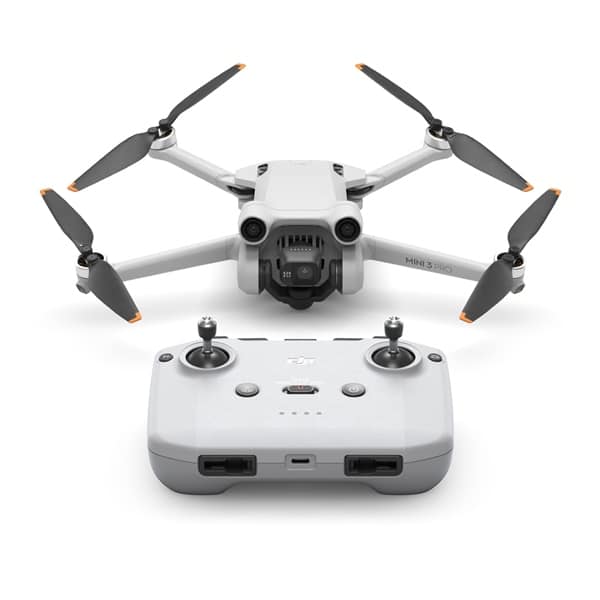
| 250 g or less | DJI Mini 3 Pro | Registration and accreditation |
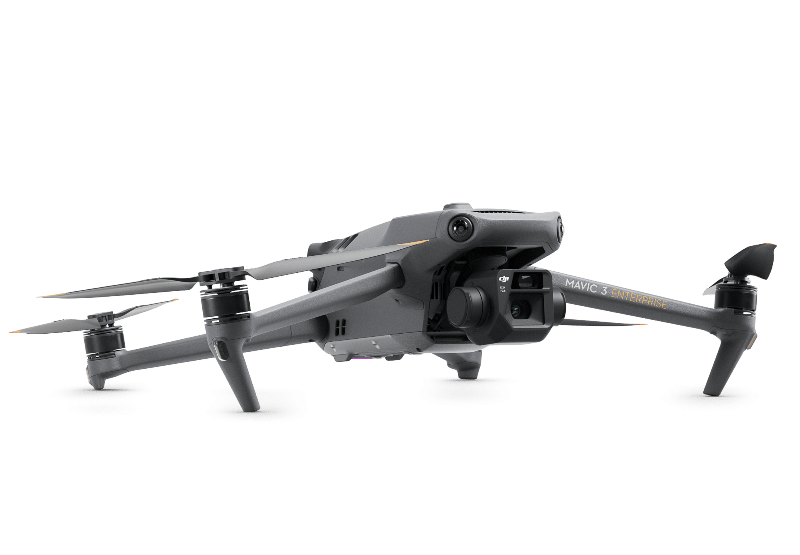
| Up to 2 kg | DJI Mavic 3 Enterprise | Registration and accreditation |
| Over 2 kg | Enterprise drones | Registration, RePL and ReOC |
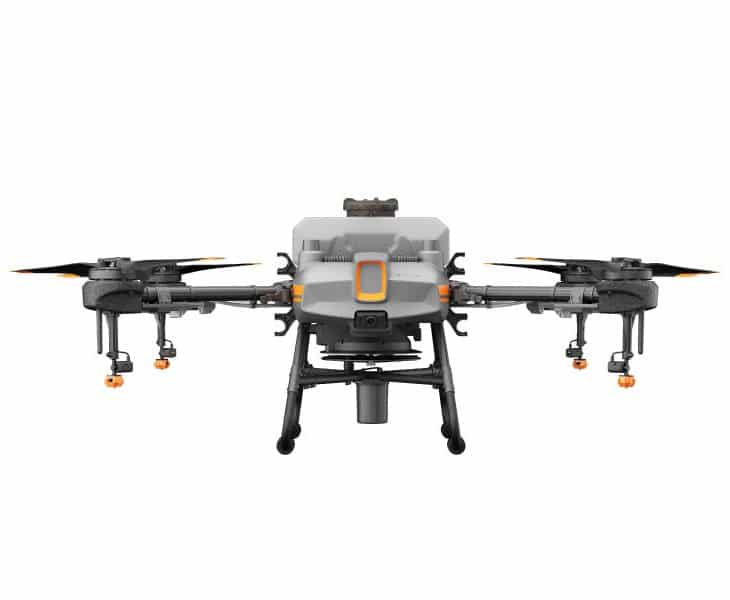
| Spray drones | DJI Agras T10 | Registration, CASA credentials by weight and state chemical licences |
Visitors and imported drones
Visitors who fly only for fun currently don’t need drone registration. If you bring a drone to Australia and plan to use it for work, you’ll need to register it and hold the relevant Australian pilot credentials before flying for business.
What if you don’t register?
Flying a drone for business without registration can lead to CASA fines. It may also void your insurance and cost you clients, many of whom ask for proof of registration and credentials before work starts.
Recreational pilots: what you still need to do
Even without drone registration, recreational pilots have responsibilities. Every flight must follow CASA’s standard operating conditions:
- Fly no higher than 120 m above ground level.
- Keep the drone within visual line of sight.
- Stay at least 30 m from people and never fly over them.
- Fly only during the day and one drone at a time.
- Keep clear of emergency operations and populous areas.
- Drones over 250 g must stay at least 5.5 km from controlled aerodromes.
It’s also a good idea to complete CASA’s free online safety training even if you only fly for fun. It’s a quick way to learn the rules and fly with confidence.
Starting a drone business: a registration checklist
If you’re setting up a drone business, use this checklist to get the paperwork in order.
- Create a myCASA account and obtain your ARN.
- Decide whether to register drones as an individual or an organisation.
- Complete drone registration for every aircraft you’ll use for work.
- Complete RPA operator accreditation, or a RePL if your work requires it.
- Consider whether you need a ReOC or will operate under someone else’s.
- Arrange public liability insurance that meets your clients’ requirements.
- Set up a system for flight logs, maintenance and renewals.
Keeping a fleet register
Organisations with several drones benefit from a simple fleet register alongside myCASA.
| Field | Why it matters |
|---|---|
| Drone make, model and serial | Matches your CASA records |
| Registration status and expiry | Avoids lapses |
| Assigned pilots | Shows who flies which aircraft |
| Flight hours and battery cycles | Supports maintenance planning |
| Repairs and firmware updates | Proves the drone is well maintained |
| Insurance details | Speeds up claims |
Registration, insurance and claims
Insurers often ask about your CASA credentials and drone registration status. Flying an unregistered drone for business could affect a claim, so keep registrations current and store confirmations with your insurance documents.
Schools, universities and research
Educational and research organisations that fly drones as part of their work may need drone registration and accredited pilots. Indoor classroom flying with tiny education drones is generally treated differently from outdoor operations, but check CASA’s guidance for your situation. Our drone for kids guide covers classroom drones.
A worked example: from hobby to paid work
Imagine you’ve been flying a 249 g camera drone for fun for a year, and a local real estate agent asks you to photograph a listing. Here’s what changes.
- The flight becomes business use, because you’re being paid.
- Your drone needs registration in myCASA before the job.
- You need RPA operator accreditation, which you can complete online.
- The standard operating conditions still apply, so you must stay 30 m from people, avoid flying over neighbouring yards with people in them and stay below 120 m.
- You should arrange insurance, because the agent may ask for proof of public liability cover.
Once those steps are done, you can take on similar sub-2 kg jobs within the standard conditions. As your business grows into heavier drones or more complex work, you’ll add a RePL and possibly a ReOC.
Where to get help
CASA’s website and myCASA portal are the authoritative sources for drone registration, accreditation and licensing. Training providers can also help with RePL and ReOC questions, and industry associations share updates when the rules change.
If you’re choosing a drone for business, the Drones Direct team can help you compare options through the drone shop.
Tips to stay compliant
- Register each new drone before its first business flight.
- Renew registrations before they expire.
- Update myCASA when you sell or retire a drone.
- Keep accreditation and licences current.
- Store your ARN and registration details somewhere easy to access in the field.
- Follow the standard operating conditions on every flight. Our CASA drone rules guide covers them.
Drone registration Australia FAQ
Do I need to register my drone if I only fly for fun?
Not currently. CASA paused its planned registration scheme for recreational drones, so recreational pilots don’t need to register. You must still follow CASA’s safety rules.
Do sub-250 g drones need registration?
Only if you fly them for business. A sub-250 g drone flown for fun doesn’t currently need registration, but the same drone used for paid work does.
How do I register my drone with CASA?
Create a myCASA account, obtain your ARN, then add your drone’s details and submit the registration online.
What is an ARN?
An aviation reference number is your unique identifier with CASA. You’ll use it for drone registration, accreditation and other CASA services.
Do I need to register each drone separately?
Yes. Each drone used for business needs to be registered, so add every aircraft in your fleet to myCASA.
Can I fly before my registration is confirmed?
You should only fly for business once your drone registration and pilot credentials are in place. Allow time for the online process before your first job.
Is drone registration the same as a licence?
No. Drone registration applies to the aircraft, while accreditation and licences apply to the pilot. Most business pilots need both.
Do I need to register a drone I only fly indoors?
Requirements for indoor flying differ from outdoor operations. If you fly only indoors, check CASA’s guidance for your specific situation.
What happens to my registration if my drone is lost or destroyed?
Update the drone’s status in myCASA so it’s no longer listed as active under your account. Keep any incident records, which may also be needed for insurance claims.
Choose a drone and get flying legally
Once you understand drone registration Australia requirements, getting set up is straightforward: register the drone, get the right pilot credential and follow the standard operating conditions. Sub-250 g and sub-2 kg drones keep the process simplest for new operators.
Explore our camera drones, enterprise drones or the full drone shop.