CASA drone rules apply to every drone pilot in Australia, from a teenager with a 249 g camera drone to a farmer with a spray drone. The Civil Aviation Safety Authority (CASA) sets a core list of safety rules, called the standard operating conditions, that keep drones away from people, aircraft and emergencies.
This guide breaks down the CASA drone rules into 10 essentials, explains what each one means in practice and covers how the rules change with drone weight and use. If you’re also wondering about paperwork, read our companion guides to the drone licence and drone registration requirements.
The 10 essential CASA drone rules
These are the standard operating conditions that apply to most recreational and many commercial flights. Breaking any of them can lead to fines.
| # | CASA drone rule | In practice |
|---|---|---|
| 1 | Fly no higher than 120 m above ground level | Roughly the height of a 30 to 40 storey building |
| 2 | Keep the drone within visual line of sight | You must see it with your own eyes at all times |
| 3 | Stay at least 30 m from other people | People not involved in your flight |
| 4 | Don’t fly over or above people | Not even for a moment |
| 5 | Don’t fly over populous areas | Beaches, parks, events and busy streets |
| 6 | Fly only during the day | Between sunrise and sunset |
| 7 | Fly one drone at a time | No swarms or multiple aircraft without approval |
| 8 | Keep away from emergency operations | Fires, police operations, rescues and crashes |
| 9 | Keep clear of controlled aerodromes (drones over 250 g) | At least 5.5 km away |
| 10 | Respect privacy | Don’t record people without consent |
1. Fly no higher than 120 m
The 120 m limit keeps drones below the airspace used by most crewed aircraft. It’s measured above ground level, so on a hill the limit follows the terrain below the drone.
Most drones let you set a maximum altitude in the app. Set it to 120 m or lower so you can’t accidentally climb too high.
2. Keep your drone within visual line of sight
You must be able to see your drone with your own eyes at all times, without binoculars or a screen. If it disappears behind a tree, building or hill, bring it back into view.
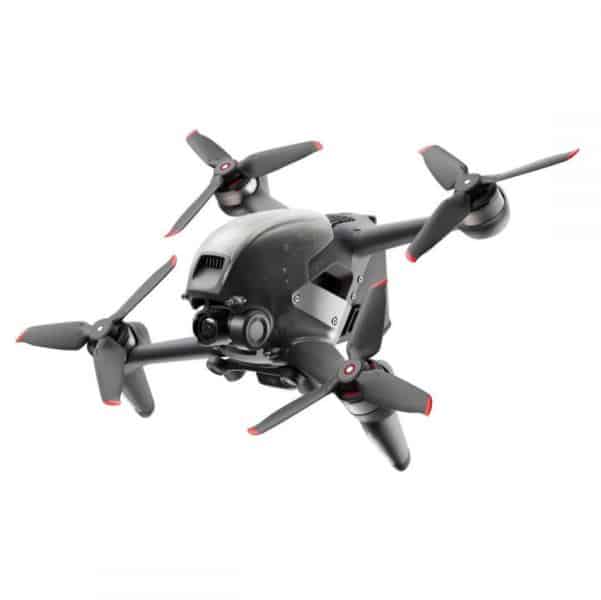
If you fly FPV with goggles, CASA drone rules require a competent observer beside you who keeps the drone in sight. Our guide to what is an FPV drone explains more.
3. Stay at least 30 m from people
Keep at least 30 m between your drone and anyone not involved in your flight. That includes people walking past, playing sport or sitting at a picnic.
The rule protects people if something goes wrong. A falling drone, or a propeller strike, can cause serious injury.
4. Never fly over people
Flying directly over people is prohibited, even briefly. Plan your flight path so the drone stays clear of anyone below.
5. Avoid populous areas
Populous areas are places where a drone failure could hurt people, such as crowded beaches, busy parks, festivals, sporting events and city streets. The CASA drone rules prohibit flying over or above these areas.
6. Fly during the day only
Recreational flying is limited to daylight, from sunrise to sunset. Night flying, even with lights, sits outside the standard operating conditions and needs specific CASA approval.
7. One drone at a time
You can only fly one drone at a time. Flying multiple drones together, as in light shows or some spraying operations, needs approval.
8. Keep away from emergencies
Stay well away from emergency operations, including bushfires, police activity, search and rescue, and accident scenes. A drone can ground firefighting aircraft and put lives at risk.
If you see emergency aircraft or crews nearby, land immediately.
9. Stay clear of airports
Drones over 250 g must stay at least 5.5 km from controlled aerodromes, which are airports with a control tower. Drones of 250 g or less may fly within 5.5 km if they stay clear of the approach and departure paths, and you must land immediately if a crewed aircraft approaches.
Near smaller, uncontrolled airfields and helicopter landing sites, keep clear of aircraft paths and land if an aircraft comes near.
10. Respect personal privacy
The CASA drone rules focus on safety, but privacy laws also apply. State and territory laws cover surveillance and recording, so avoid filming people without their consent and respect private property.
How the CASA drone rules change with weight
| Drone weight | Key differences |
|---|---|
| 250 g or less (micro) | May fly within 5.5 km of controlled aerodromes outside approach and departure paths |
| Over 250 g | Must stay 5.5 km from controlled aerodromes |
| Over 2 kg | Business use generally needs a RePL and ReOC |
| Over 25 kg | Further licensing and approvals apply |
Recreational vs commercial flying
The standard operating conditions are the same whether you fly for fun or for business. The difference is the paperwork.
- Recreational pilots need no licence or registration, but must follow every CASA drone rule.
- Business pilots need drone registration and at least an RPA operator accreditation, and often a RePL and ReOC for heavier drones or complex operations.
Flying outside the standard operating conditions, such as at night or near airports, needs specific approvals. Read our drone licence guide for details.
Where you can fly
CASA drone rules aren’t the only rules about where you can fly. Local councils, national parks, marine parks and some public venues have their own restrictions.
- Use a CASA-verified drone safety app to check airspace, airports and restricted areas before every flight.
- Check council rules for parks and reserves.
- Check national park rules, as many parks restrict or ban drones.
- Get landowner permission before taking off from private property.
- Look out for temporary restrictions, such as around events or emergencies.
Rules for FPV and special operations
FPV flying with goggles is allowed recreationally with an observer who keeps the drone in sight. Spraying, delivery, night operations and flying beyond line of sight all need additional approvals.
If you’re interested in specialist work, our guides to drone spraying and thermal drones explain how the rules apply.
A pre-flight checklist for following the drone rules
Running through a short checklist before every flight keeps you safe and legal.
- Check the airspace. Open a CASA-verified drone safety app and confirm you’re clear of controlled aerodromes, restricted areas and temporary no-fly zones.
- Check local rules. Confirm council, national park or venue rules allow drones.
- Scan for people. Make sure you can keep 30 m from everyone not involved in your flight.
- Check the weather. Wind, rain and poor visibility make it harder to follow the drone rules.
- Set your limits. Set maximum altitude to 120 m or less and return-to-home height above nearby obstacles.
- Inspect the drone. Check propellers, battery level and firmware.
- Plan your flight path. Avoid crossing over roads, people or private property.
- Have an exit plan. Know where you’ll land if conditions change or someone approaches.
How the drone rules apply in common situations
Real estate and property photography
Property shoots often involve neighbours, roads and passers-by. Plan flights to keep 30 m from people, avoid flying over neighbouring yards and remember that selling photos counts as business use, so registration and accreditation are needed.
Weddings and events
Events are usually populous areas, and flying over guests is prohibited. Many event drone shots require approvals or careful planning, such as filming from a distance with a zoom.
Travel and holidays
Tourist spots are often busy, and many national parks restrict drones. Check local rules before you fly and pick quiet times, such as early morning.
Farms and rural properties
Rural flying offers space, but the standard drone rules still apply, including height limits and staying clear of people and aircraft. Agricultural aircraft often fly low, so keep watch and land if one approaches.
Schools and clubs
Indoor flying in a gym or hall is a great way to practise. For outdoor flying at schools, supervise students closely, keep clear of other people and follow the same CASA drone rules as everyone else.
Common myths about drone rules
- “Small drones don’t have rules.” Every drone follows the standard operating conditions, regardless of size.
- “I can fly over people if I’m careful.” Flying over people is prohibited.
- “Using the screen counts as line of sight.” You must see the drone with your own eyes.
- “Private land means anything goes.” Height limits, people distances and airspace rules still apply.
- “Rules only apply to commercial pilots.” Recreational pilots must follow the same safety rules.
App settings that help you stay compliant
Modern drones make it easier to follow the drone rules. Use these settings:
- Maximum altitude: set to 120 m or less.
- Maximum distance: limit it so the drone stays within comfortable sight.
- Return-to-home height: set above the tallest nearby obstacles.
- Low battery return: return early, with a reserve.
- Geofencing warnings: don’t ignore alerts about airports or restricted areas.
Drone rules for visitors
Tourists flying for fun follow the same CASA drone rules as residents. No licence is needed for recreational flying, but you must follow every standard operating condition and check local restrictions. If you plan to fly for business while visiting, you’ll need the relevant Australian credentials.
Understanding visual line of sight in practice
Visual line of sight sounds simple, but it trips up many pilots. You must be able to see the drone well enough to know its position, its direction and whether anything is in its way.
In practice, small drones become hard to see surprisingly quickly, often within a few hundred metres, and even sooner against a bright sky or busy background. If you’re straining to see it, it’s too far. Bring it closer before you lose track of it.
Some tips:
- Fly with the sun behind you so you can see the drone clearly.
- Use lights on the drone to help with orientation in daylight.
- Avoid flying behind trees, buildings or hills.
- Have a friend help spot the drone if you’re unsure, but you must still be able to see it yourself unless you’re flying FPV with an observer.
Flying near wildlife and livestock
The CASA drone rules don’t list every situation, but responsible pilots also protect animals. Drones can stress wildlife, nesting birds and livestock, and some birds of prey may attack a drone.
Keep a respectful distance, avoid hovering low over animals and leave the area if they show signs of distress. Some parks and reserves ban drones specifically to protect wildlife.
Weather, wind and safe flying
Weather isn’t one of the standard operating conditions, but it affects your ability to follow them. Strong wind can push a drone beyond line of sight or towards people, and rain or fog reduces visibility.
Check the forecast before you fly, watch the in-app wind warnings and land early if conditions change. A cautious approach keeps you within the rules and protects your drone.
Commercial operators: extra obligations
Commercial pilots follow the same CASA drone rules, plus extra responsibilities that come with business flying.
- Register every drone used for work in myCASA.
- Hold the right credentials, from RPA operator accreditation to a RePL and ReOC, depending on the drone and the job.
- Keep records of flights, maintenance and pilot training where required.
- Plan each job with a risk assessment, especially near people, roads and infrastructure.
- Carry insurance that meets your clients’ requirements. Our guide to drone insurance in Australia explains the options.
Batteries, maintenance and airworthiness
A well-maintained drone is much easier to fly within the rules. Faulty batteries, damaged propellers or outdated firmware can cause flyaways and crashes that put people at risk.
Inspect your drone before each flight, replace damaged parts promptly, keep firmware current and retire any battery that is swollen or damaged.
Penalties for breaking CASA drone rules
CASA can issue fines for breaches of the drone rules, and serious cases can lead to prosecution. Fines apply to recreational and commercial pilots alike.
Beyond penalties, unsafe flying can void insurance, damage property and harm people. Following the rules protects you as much as everyone else.
Reporting unsafe drone flying
If you see a drone being flown unsafely, you can report it to CASA. Note the time, location and what you saw, and include photos or video if it’s safe to capture them.
Keeping up with rule changes
CASA reviews its drone rules from time to time, and changes can affect registration, remote identification and how sub-250 g drones are treated. Check CASA’s drone rules regularly so you’re flying under the current requirements.
CASA drone rules FAQ
How high can a drone fly in Australia?
Under the CASA drone rules, you must fly no higher than 120 m above ground level unless you have specific approval.
How far away from people do drones have to be?
At least 30 m from people who aren’t involved in your flight, and never over or above them.
Can I fly my drone at night in Australia?
Not under the standard operating conditions. Night flying requires specific CASA approval.
Do the CASA drone rules apply to small drones?
Yes. Every drone must follow the standard operating conditions. Drones of 250 g or less get some flexibility near controlled aerodromes, but every other rule still applies.
Can I fly a drone at the beach?
Only if you can keep 30 m from people and avoid flying over crowds. Busy beaches count as populous areas, so choose a quiet stretch and check local council rules.
Can I fly a drone over my neighbour’s house?
You must not fly over people, and privacy and trespass laws may apply. It’s best to avoid flying over neighbouring properties without permission.
Do I need permission to fly in a park?
Many councils have their own rules for parks and reserves, and some require permits for commercial filming. Check with the local council before flying, and always follow the CASA drone rules on distance from people.
Can I fly a drone in a national park?
Many national parks restrict or ban drones to protect wildlife and visitors. Check the rules for the specific park before you go.
Do the drone rules apply indoors?
CASA’s airspace rules are designed for outdoor flying. Indoor flying, such as in a closed gym or warehouse, is generally treated differently, but you should still fly safely, keep clear of people and follow any venue rules.
What happens if my drone flies away?
Try to regain control or trigger return-to-home. If the drone is lost near an airport, emergency operation or populated area, consider reporting it. Regular maintenance and good pre-flight checks reduce the risk of flyaways.
Fly confidently within the CASA drone rules
Following the CASA drone rules is simple once they become habit: stay low, keep the drone in sight, keep away from people and airports, fly in daylight and steer clear of emergencies. Choosing the right drone also helps, as sub-250 g models keep things simplest.
Explore our camera drones, read our guide to the best drone for beginners, or browse the drone shop.