Drones have moved from hobby gadgets to everyday tools for photographers, farmers, surveyors, anglers, teachers and emergency crews. If you’re new to them, the choice can feel overwhelming: folding camera models, racing quads, spray aircraft, underwater ROVs and more. This beginner’s guide from the Drones Direct team explains what drones are and how they stay in the air. It also covers the main types, what people use them for and the rules that apply in Australia.
It finishes with a practical checklist for choosing a first aircraft, plus links to our deeper guides on cameras, budgets, brands and underwater models. Read it from top to bottom, or jump straight to the section you need. Along the way we point to real examples from the Drones Direct range, so you can compare actual options as you learn.
What are drones?
A drone is an aircraft or vehicle with no pilot on board. It is flown remotely from a controller, a phone or a set of goggles, or it follows a programmed route on its own. Most consumer drones are multirotors: compact aircraft with four or more spinning propellers that can take off vertically, hover in place and move in any direction.
The word now covers much more than flying cameras. Spray aircraft on farms, delivery aircraft that carry cargo on a winch and tethered vehicles that explore below the surface of the water are all commonly called drones. What they share is remote or automated control, a set of onboard sensors and a battery-powered propulsion system that does the hard work.
Drone, UAV, RPA and ROV: what the terms mean
You’ll see several names used for much the same thing. UAV stands for unmanned aerial vehicle. RPA, or remotely piloted aircraft, is the formal term used in aviation regulations. ROV, short for remotely operated vehicle, usually describes an underwater craft connected to the surface by a cable. In everyday conversation, and throughout this guide, the word drone covers all of them.
How a drone flies
A multirotor flies by changing the speed of each propeller many times a second. Spin all of them faster and the aircraft climbs. Slow them evenly and it descends. Speed up the rotors on one side and it tilts and moves the other way. Half the propellers spin clockwise and half anticlockwise, which cancels out the twisting force and lets the aircraft turn on the spot.
No person could make those tiny corrections quickly enough, so an onboard flight controller does it for you. You give simple commands with the sticks, such as climb, turn or move forward, and the computer works out the motor speeds needed. Camera drones, racing quads and large spray aircraft all rely on this same basic principle.
The main parts
Open up almost any multirotor and you’ll find the same core components working together. Knowing what each one does makes product pages much easier to read and helps you understand which spare parts and accessories matter most once you start flying regularly.
- Frame and arms: the body that holds everything together, often folding on camera models so they pack down small.
- Motors and propellers: one brushless motor per arm, each spinning a propeller to create lift.
- Electronic speed controllers: they turn the flight controller’s commands into precise motor speeds.
- Flight controller: the onboard computer that reads the sensors and keeps the aircraft balanced.
- Sensors: an inertial measurement unit, compass, barometer and satellite positioning on most camera models.
- Battery: a rechargeable lithium pack, and the main limit on how long each flight lasts.
- Radio link: carries your stick commands up and a live video feed back down to your screen or goggles.
- Camera and gimbal: a stabilised camera on most consumer drones, or specialist sensors on work aircraft.
Staying steady: positioning, sensing and return-to-home
Satellite positioning lets a camera model hold its spot in the sky when you let go of the sticks. Downward sensors help it hover accurately close to the ground, and many models add forward, rear or all-round obstacle sensing. Most GPS-equipped drones also record a home point at take-off and can fly back to it automatically if the signal drops or the battery runs low.
These automated features make modern drones far easier to fly than older hobby models, but they aren’t a safety net for every situation. Obstacle sensors can miss thin branches and power lines, and positioning is weaker under bridges or indoors. Treat the automation as a helper, keep the aircraft in sight and plan each flight before you take off.
The main types of drones
Drones come in many shapes, and the right type depends entirely on the job you have in mind. Here are the main families across the Drones Direct range, from pocket-sized camera models to heavy aircraft built for farms and worksites. Each family has its own strengths, learning curve and accessories, so it pays to know which group suits you before comparing individual models.
Folding camera drones
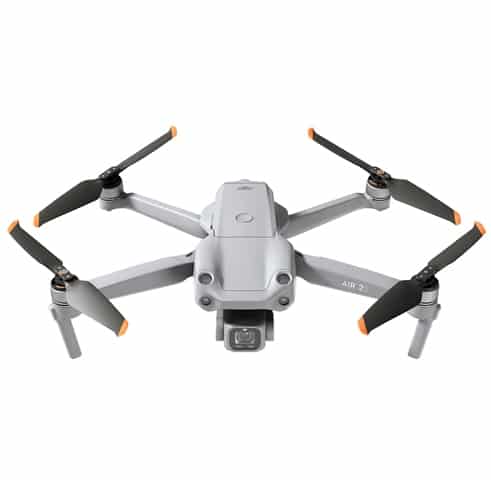
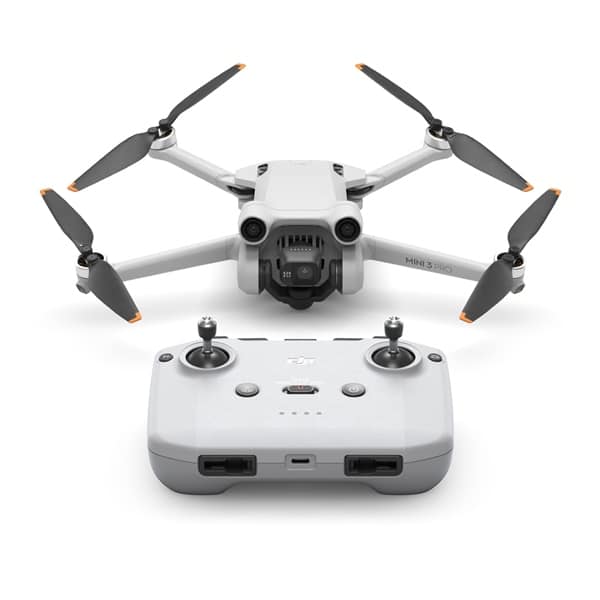
This is the group most people picture. Folding camera drones carry a stabilised camera and pack down to fit a small bag. They range from sub-250 g minis aimed at beginners and travellers to larger aircraft with bigger sensors for serious photo and video work. Browse the full spread in Camera Drones, and read our guide to choosing a drone with camera features that suit you.
FPV aircraft
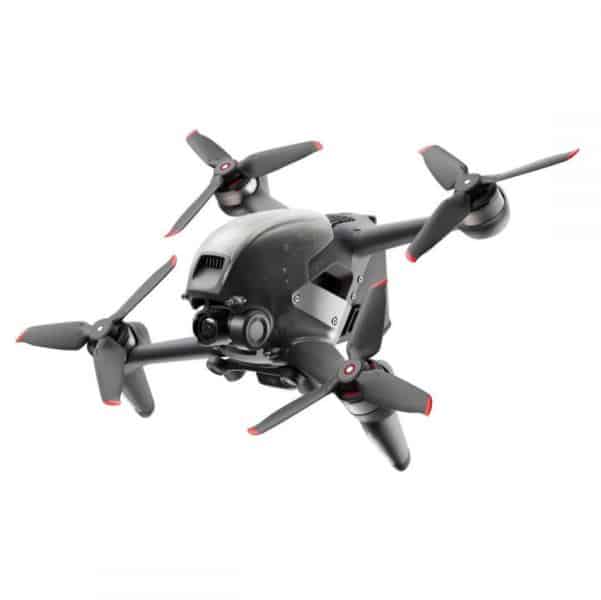
FPV stands for first-person view. You fly wearing goggles that show a live feed from the aircraft’s camera, as if you were sitting in the cockpit. FPV drones are faster and more agile than camera models, and many have fewer automated safety aids, so they take more practice. The FPV Drones category includes the DJI FPV and several iFlight digital HD quads.
Enterprise and inspection aircraft
Work drones carry specialist sensors for inspection, mapping, public safety and search and rescue. Typical payloads include thermal cameras that see heat, zoom cameras for close detail from a safe distance and RTK positioning for centimetre-level mapping accuracy. The Enterprise Drones range includes DJI Matrice and Mavic 3 Enterprise models alongside Autel thermal and RTK aircraft.
Agricultural and delivery aircraft
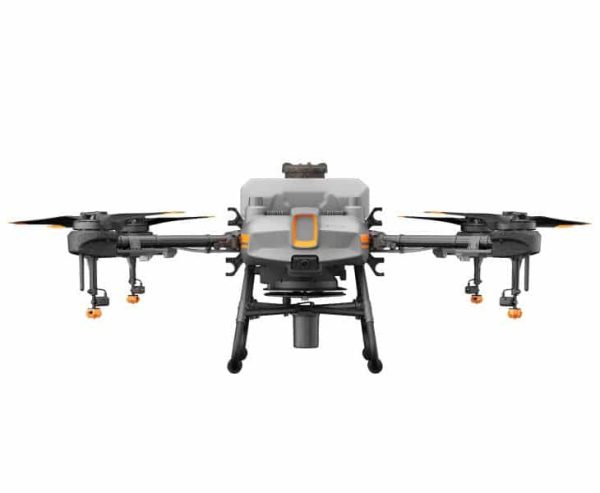
Large drones can carry serious loads. Spray aircraft such as the DJI Agras T10 apply liquids across paddocks and orchards, and an optional spreading system handles granules. Delivery aircraft like the DJI FlyCart 30 move cargo, with a winch kit for lowering loads without landing. These are commercial tools, so expect extra planning, training and paperwork before they go to work.
Waterproof and fishing models
Some drones are sealed so they can land on water and take off again. Many carry a payload release for dropping a fishing line or bait well beyond casting distance. SwellPro, Gannet and Rippton models sit in Waterproof & Fishing Drones. If you’re comparing heavy-lift fishing aircraft from other brands, our explainer on Aeroo drones covers that brand and the comparable options we do carry.
Underwater ROVs
Underwater drones don’t fly at all. They dive, pushed along by thrusters and usually connected to the surface by a tether that carries the video feed and your commands. Chasing models make up the Underwater Drones category. Our pillar guide on how underwater ROVs work covers tethers, lights, buoyancy and care in much more detail.
Education models
Programmable drones teach coding, maths and problem solving in classrooms. Students write code that makes the aircraft take off, turn and land. The Education Drones category has DJI Tello EDU classroom packs. The CoDrone EDU is available on its own or as a classroom set, and a portable drone cage suits safer indoor lessons.
What people use drones for
Once you see how flexible drones are, it’s easy to understand why so many industries have adopted them. A drone puts a camera or sensor in a spot that would otherwise need a ladder, a helicopter, a boat or a long walk. Here are the most common uses in Australia today:
- Photography and video: travel, landscapes, property listings, weddings, events and social media content.
- Inspection: roofs, towers, solar farms, bridges and powerlines, without scaffolding or climbing.
- Mapping and surveying: overlapping photos turned into maps and 3D models for construction, mining and land management.
- Agriculture: spraying and spreading, plus checking stock, fences and water troughs across large properties.
- Public safety: thermal cameras help crews find people and hot spots at night or through smoke.
- Fishing: dropping baits beyond the breakers and spotting fish or structure from above the water.
- Underwater work: checking hulls, moorings, jetties, dams and aquaculture nets.
- Learning and fun: coding lessons, FPV racing and freestyle, or simply picking up a new skill.
Many beginners start with photography, so it’s worth learning what separates a good aerial camera from an average one. Sensor size, gimbal stabilisation and colour profiles all matter more than the headline resolution. If you’ll mostly be working below the surface, our guide to using an underwater drone in Australia covers salt water, tides, local rules and care.
The basic rules for flying in Australia
In Australia, flying drones is regulated by the Civil Aviation Safety Authority (CASA). Its standard operating conditions apply to recreational flying, and work flying adds further requirements on top. The full details are on the CASA drone rules page. These are the core conditions every pilot should know before the first take-off:
- Fly no higher than 120 metres above ground level.
- Keep at least 30 metres away from other people.
- Keep the drone within your visual line of sight at all times.
- Fly only one drone at a time.
- Don’t fly over or above people, or in populous areas such as beaches, parks and sporting events.
- Stay well away from emergency operations.
- Respect other people’s privacy.
CASA also points pilots to verified drone safety apps that show where you can and can’t fly, and it can issue fines for breaking the rules. Open one of those apps before every flight, because the areas you’re allowed to use vary from place to place. A quick check takes a minute and helps keep everyone on the ground and in the air safe.
Flying for work or business
If you fly as part of a job or to earn money, CASA has extra registration and accreditation requirements. Check them on the CASA website before you take on any paid work, including property photos, roof inspections or farm spraying. Underwater ROVs aren’t aircraft, so these aviation rules don’t apply to them, but marine parks and local authorities may set their own conditions.
How to choose your first drone
There is no single right answer, but a few simple questions narrow the field quickly. Work through them in order and you’ll end up with a short list that matches how you’ll actually fly. That beats a spec sheet that looks impressive on paper but doesn’t suit your plans.
Start with what you want to do
Write down the two or three things you most want from the aircraft. Holiday photos and social clips point towards a light folding camera model. Fast, immersive flying points towards FPV. Fishing or flying near water points towards a waterproof model, while exploring reefs, hulls or dams calls for an ROV. Being clear about the job stops you paying for features you won’t use.
Size, weight and wind
Sub-250 g minis are easy to carry on a hike or a holiday, and they’re less intimidating for a first-time pilot. Larger drones cost more and take up more room, but they handle wind better and carry bigger camera sensors. If you live somewhere breezy, such as along the coast, a mid-size model may give you more usable flying days.
Camera and stabilisation
For most buyers the camera is the reason to buy, so look past the resolution figure. Sensor size affects low-light quality and dynamic range, and a three-axis gimbal keeps footage smooth. Flat colour profiles help if you plan to edit. Our guide to choosing a drone with camera specs explains each of these features in plain terms.
Batteries, combos and accessories
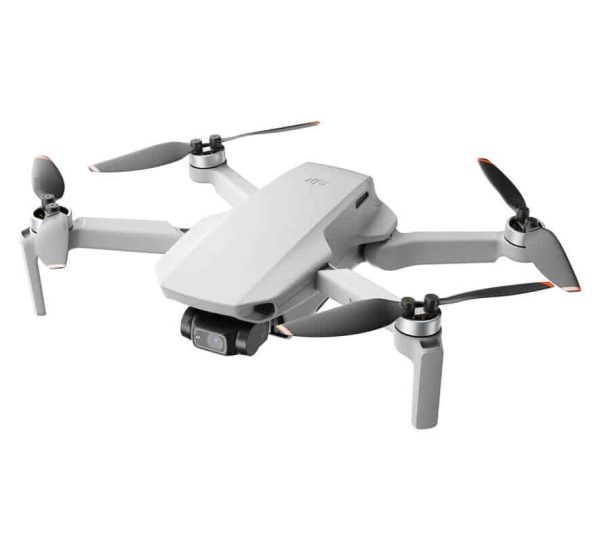
Flight time per battery is limited, so most pilots want at least one spare. Combo kits such as the DJI Mini 2 Fly More Combo bundle extra items with the aircraft, and the product page lists exactly what’s included. Our buying checklist for drones explains combos, controllers, grey imports and the accessories worth budgeting for.
Set a budget for the whole kit
Entry-level drones in the range start under $200 with the Airwood 4in1 Drone Professional, and the DJI Mini 2 sits under $1,000. Prices change, so the product page always shows the current price. Leave room for spare batteries, a case and filters. Our roundup of the best budget drones compares the entry-level options in more detail.
Your first flights
Your first sessions should be slow, simple and in a wide open space with no people, trees or power lines nearby. Many camera drones offer a beginner or reduced-speed mode in their app, which limits speed and distance while you learn. Practise taking off, hovering, turning on the spot and landing before you try longer flights or camera moves. Then make this short checklist part of every take-off:
- Charge the aircraft, controller and phone, and check the battery is seated firmly.
- Inspect each propeller for chips or cracks and replace any damaged ones.
- Check the weather, especially wind strength and gusts.
- Open a CASA-verified drone safety app to confirm you can fly at that spot.
- Wait for a strong satellite lock so the home point is recorded before you climb.
Looking after your gear
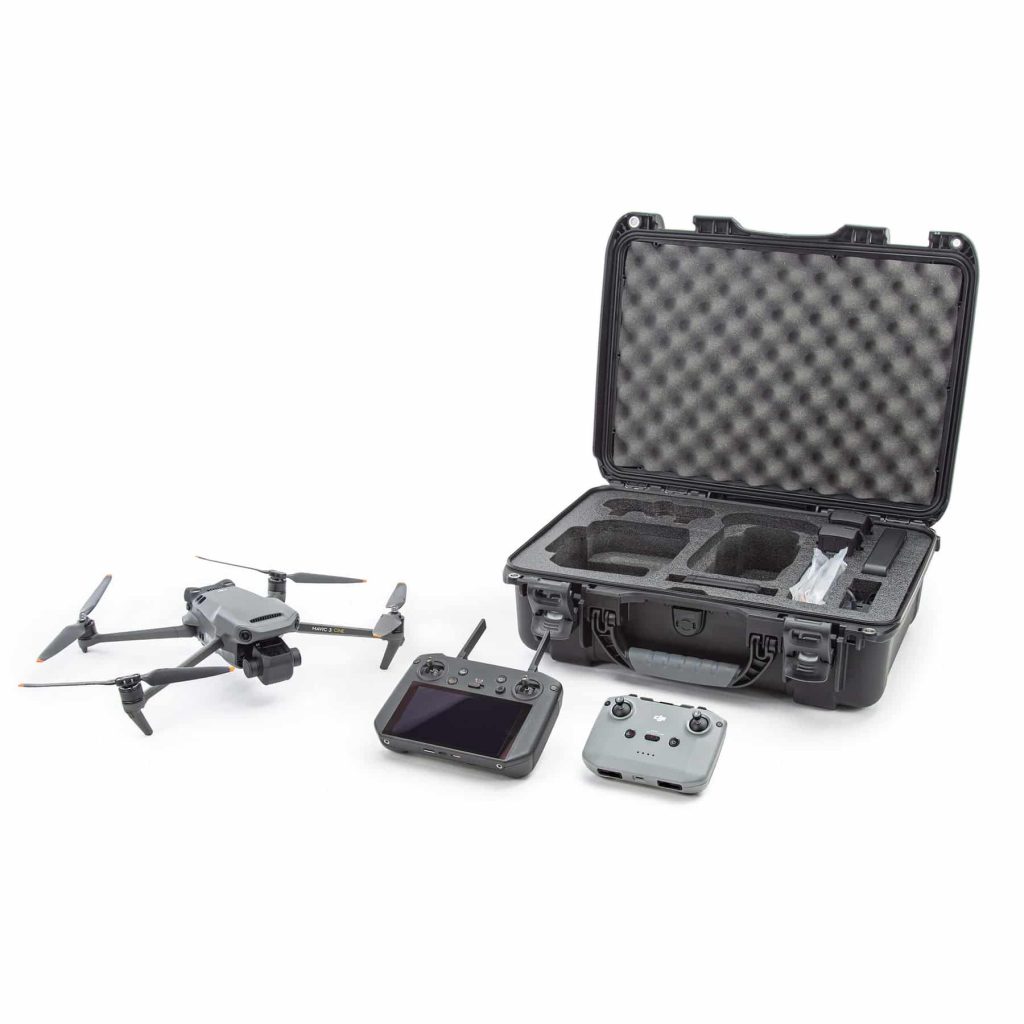
A little care keeps drones flying well for years. Store batteries part-charged in a cool, dry place, and avoid leaving them full for long periods. Install firmware updates from the manufacturer’s app, wipe the camera lens before each flight, and swap out worn propellers. A fitted hard case protects the gimbal in a car boot or on a plane.
The Nanuk drone cases range includes fitted cases for specific DJI and Autel models. Spare batteries, filters, controllers and range extenders sit in Accessories & Spares. If you’re unsure which battery or part fits your model, the team can answer questions through live chat on the site before or after you buy.
Where to go next in this series
This guide is the starting point for a set of more detailed articles. For a single brand, our DJI brand guide walks through each product family. Our DJI Mini 4 Pro guide covers that model, which isn’t in our range, and points to the Mini models that are.
If you’d like to explore underwater on a tighter budget, our guide to affordable underwater camera drones covers the entry-level models and their trade-offs. When you’re ready to browse, the Drones Direct shop lists 250+ products and can be filtered by category, price range, in-stock and on-sale items, then sorted to suit.
Beginner drone questions
Are drones hard to fly?
Modern camera drones are much easier to fly than most people expect. Satellite positioning holds the aircraft steady when you release the sticks, and many models can return to their take-off point automatically. The skills that take practice are smooth camera moves, judging distance and flying in wind. FPV aircraft are a different story and need far more practice, ideally on a simulator first.
Can I fly a drone anywhere in Australia?
No. CASA’s standard operating conditions apply everywhere, including the 120 metre height limit, 30 metres from other people and no flying over populous areas such as beaches, parks and sporting events. Some areas are restricted altogether. Use a CASA-verified drone safety app before each flight to check where you can and can’t fly, and read the full rules on the CASA site.
How long can a drone stay in the air?
Flight time depends on the model, the battery and the conditions. Manufacturers publish a maximum figure measured in calm conditions. For example, DJI lists up to 46 minutes for the Mavic 3 Classic. Real flights are shorter in wind, cold weather or with aggressive flying, and you should always land with a healthy battery reserve rather than flying until the warning sounds.
What’s the difference between a camera drone and an FPV drone?
A camera drone is built for steady, controlled shots. It hovers in place, carries a stabilised camera and is usually flown with a controller and a phone or screen. An FPV drone is flown through goggles for an immersive, pilot’s-eye view. It’s faster and more agile, and suits racing, freestyle and dynamic chase footage, but it takes much more practice to fly well.
Can drones fly in the rain?
Most folding camera drones aren’t designed for rain, and water can damage the motors, electronics and gimbal. If you need to fly near water or in spray, look at the SwellPro models and other sealed aircraft in the waterproof range, which are designed to land on water. For the usual camera models, check the forecast and stay grounded when rain or strong wind arrives.
Ready for your first flight?
Flying drones is a rewarding skill to learn, whether for photos, work or simply the fun of it. Start with a clear idea of what you want to do, follow CASA’s rules, practise in open spaces and budget for the whole kit. When you’re ready, browse the range, compare the product pages and ask the team on live chat if you have questions.