Wondering how to become a drone pilot in Australia? It’s one of the most accessible aviation careers around. You don’t need a university degree or years of flight training to start. Many professional drone pilots began as hobby flyers, earned the right CASA credentials, and built a business one job at a time.
This guide explains how to become a drone pilot in seven practical steps, from learning to fly through to accreditation, a remote pilot licence (RePL), building a portfolio and finding paid work. It also covers the industries hiring drone pilots, the skills that set professionals apart and what affects how much a drone pilot can earn.
What does a drone pilot do?
A professional drone pilot uses remotely piloted aircraft to collect images, data or deliver services for clients or an employer. Day to day, that might mean filming a property, inspecting a roof, mapping a mine site, checking crops or supporting a search operation.
The flying is only part of the job. Drone pilots also plan flights, assess risks, check airspace, process data and deliver results that clients can use.
A day in the life of a drone pilot
No two days are the same, but a typical job follows a familiar rhythm.
- Pre-job planning. Check the client’s brief, airspace, weather and site hazards. Prepare a risk assessment and flight plan.
- Equipment prep. Charge batteries, update firmware, clean sensors and pack spares.
- On-site briefing. Meet the client, confirm the plan, set up a safe launch area and brief anyone nearby.
- Flying. Complete the flights, checking data quality as you go and adjusting for wind or light.
- Data processing. Edit photos and video, process maps or analyse thermal images back at base.
- Delivery. Send the final files or report, answer questions and invoice the client.
- Admin. Log flights, record maintenance and plan the next job.
For many professionals, the time spent processing and reporting is as long as the time spent flying.
Step 1: Learn to fly
The first step in how to become a drone pilot is simply getting comfortable in the air. Start with a stable GPS camera drone and practise the basics until they’re second nature.
- Take-off, hover and landing.
- Smooth straight lines, turns and orbits.
- Flying with the drone facing towards you.
- Using return-to-home and responding to warnings.
- Capturing steady, well-framed footage.
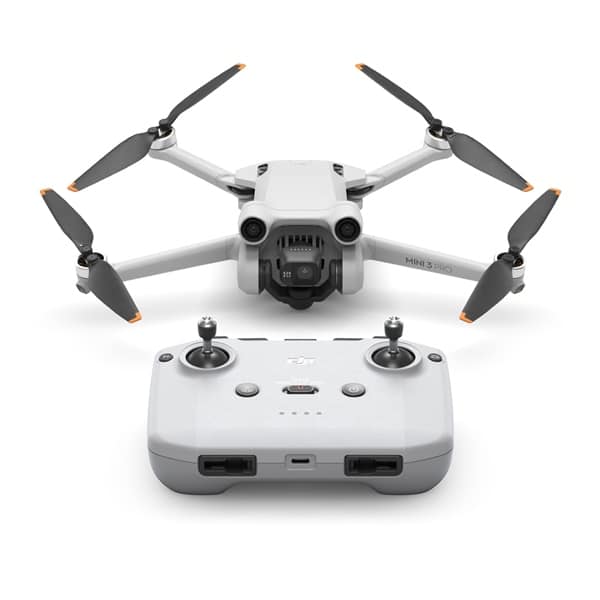
A sub-250 g drone like the DJI Mini 3 Pro is an ideal trainer. Our guide to the best drone for beginners compares more options.
Step 2: Learn the rules
Professional drone pilots know CASA’s rules inside out. Learn the standard operating conditions, such as flying below 120 m, keeping the drone in sight and staying 30 m from people.
Our guide to CASA drone rules explains them in plain English, and CASA’s own resources on drone rules are the authoritative source.
Step 3: Get your RPA operator accreditation
To fly for business, you’ll need at least an RPA operator accreditation. It’s free, completed online through myCASA, and valid for three years. You must be 16 or older to become accredited.
Accreditation lets you take on many jobs with drones up to 2 kg within the standard operating conditions. You’ll also need to register any drone you use for business. Our guides to the drone licence and drone registration cover both in detail.
Step 4: Earn your remote pilot licence (RePL)
For many careers, the RePL is the key credential. It’s required for most commercial work with drones over 2 kg and for operations outside the standard conditions, and many employers look for it even for lighter aircraft.
You’ll complete theory and practical training with a CASA-certified provider, covering air law, meteorology, navigation, human factors and flight operations, followed by assessments.
Step 5: Choose a specialty
Generalists can find work, but specialists often earn more and win repeat clients. Pick an industry that matches your interests and skills.
| Industry | What drone pilots do | Typical equipment |
|---|---|---|
| Real estate and media | Property photos, video and events | Camera drones |
| Construction and mining | Progress mapping, stockpile volumes, inspections | Mapping and RTK drones |
| Infrastructure and utilities | Powerline, tower, bridge and solar inspections | Zoom and thermal drones |
| Agriculture | Crop mapping, spraying, spreading, stock checks | Multispectral and spray drones |
| Public safety | Search and rescue, firefighting support | Thermal drones |
| Environment and research | Wildlife surveys, coastal monitoring | Mapping and thermal drones |
| Film and TV | Cinematic aerials and FPV shots | Cinema and FPV drones |
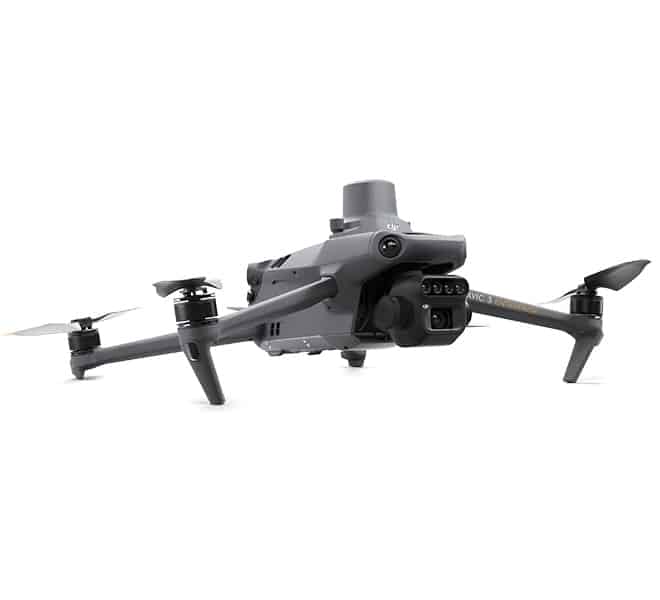
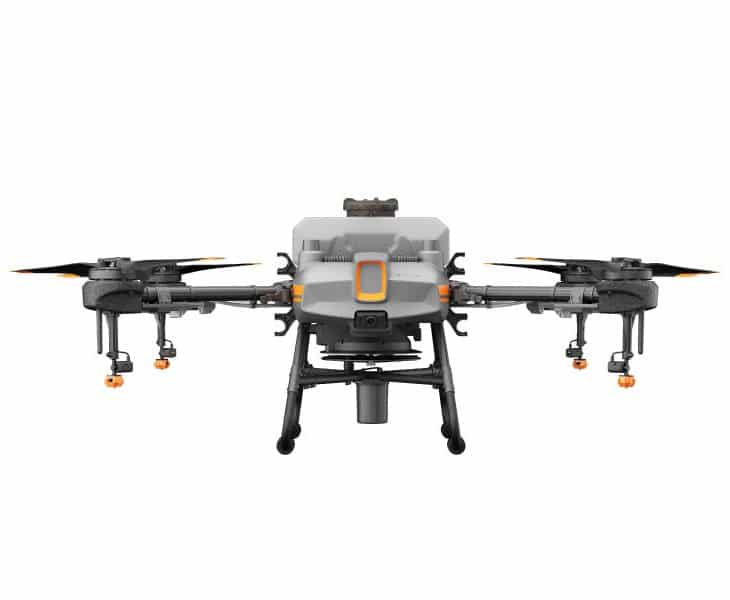
For example, agricultural pilots might fly a DJI Agras T10 for spraying or a DJI Mavic 3 Multispectral for crop health mapping.
Step 6: Build experience and a portfolio
Clients want to see what you can do. Build a portfolio that shows your best work in your chosen specialty.
- Log every flight. Hours and variety demonstrate experience.
- Create sample projects. Shoot your own property, map a friend’s farm with permission or film local landmarks within the rules.
- Show results, not just footage. For inspections or mapping, include sample reports and maps.
- Gather testimonials. Early clients’ feedback builds trust.
- Keep learning. Data processing, photo editing and reporting skills make you more valuable.
Step 7: Find paid work
There are two main paths once you know how to become a drone pilot: working for an employer or starting your own business.
Working for a company
Many organisations employ drone pilots or train existing staff, including surveying firms, construction companies, utilities, agricultural businesses, councils and emergency services. Some operators also hire RePL holders to fly under their ReOC.
Starting your own business
Self-employed pilots typically start with accreditation and a sub-2 kg drone, take on local jobs, then add a RePL, better equipment and possibly a ReOC as they grow. You’ll also need public liability insurance; see our guide to drone insurance in Australia.
Career paths in more detail
Inspection pilot
Inspection pilots check roofs, towers, bridges, solar farms and powerlines. They use zoom and thermal cameras to find defects safely, and they need strong reporting skills to explain findings to engineers and asset owners.
Mapping and survey pilot
Mapping pilots create orthomosaics, elevation models and stockpile volumes for construction, mining and agriculture. RTK-equipped drones and mapping software are central to the job, and accuracy matters more than cinematic flair.
Agricultural drone pilot
Agricultural pilots map crop health, spot spray weeds and spread seed or fertiliser. Spraying adds state chemical licences on top of CASA credentials, so this path suits people who enjoy both technology and farming. Our guide to how drones are used in agriculture explains the work.
Public safety pilot
Police, fire and emergency services, and volunteer groups, use drone pilots for search and rescue, incident mapping and firefighting support. Thermal skills and calm decision-making under pressure are essential.
Creative and media pilot
Media pilots film real estate, tourism, weddings, sport and film. Strong photography and editing skills, plus an eye for composition, set the best apart. FPV skills are increasingly in demand for dynamic shots.
Planning a drone business
If you choose self-employment, treat it like any small business. Plan your costs and pricing carefully before you buy expensive equipment.
- Start-up costs: drone, batteries, accessories, software, training, registration and insurance.
- Ongoing costs: maintenance, replacement batteries, software subscriptions, insurance renewals and marketing.
- Pricing: factor in travel, planning, processing time and reporting, not just flight time.
- Marketing: a website, portfolio, social media and local networking help win early jobs.
- Systems: booking, quoting, invoicing and record-keeping tools keep things organised.
Many pilots begin part-time while keeping another job, then go full-time once demand is steady.
Further training and approvals
Once you know how to become a drone pilot at the entry level, extra training opens doors to more advanced work.
- Aeronautical radio skills for operating near certain airspace.
- Night operations approvals for search, inspection and event work after dark.
- Controlled airspace approvals to fly near airports.
- Beyond visual line of sight (BVLOS) approvals for long-distance work, which require significant preparation.
- Data and software skills such as photogrammetry, GIS and thermal analysis.
- Chemical rating licences for agricultural spraying.
Mistakes new drone pilots make
- Buying expensive gear too early. Start with what your first jobs need and upgrade as work grows.
- Underpricing work. Remember the hours spent planning and processing.
- Skipping insurance. Many clients won’t hire you without it.
- Taking jobs outside your credentials. Heavier drones, night work or controlled airspace need extra approvals.
- Neglecting data skills. Clients pay for results, not just flying.
Skills that make a great drone pilot
- Airmanship. Calm decision-making, situational awareness and respect for the rules.
- Planning. Checking airspace, weather and site hazards before every job.
- Technical knowledge. Understanding sensors, batteries, maintenance and software.
- Data skills. Editing, mapping, thermal analysis or report writing, depending on your specialty.
- Communication. Explaining results clearly to clients and working safely on busy sites.
- Business skills. Quoting, invoicing, marketing and customer service if you’re self-employed.
Building safety habits from day one
Clients and employers value pilots with a strong safety record. Building good habits early sets you apart.
- Use checklists for pre-flight, in-flight and post-flight tasks.
- Assess every site for people, powerlines, trees, wildlife and radio interference.
- Brief everyone involved about the flight and where to stand.
- Set conservative limits for battery, wind and distance.
- Record incidents and near misses and learn from them.
- Maintain your aircraft with regular inspections and firmware updates.
A professional approach to safety also helps with insurance and makes you a more attractive hire for organisations operating under a ReOC.
Networking and finding clients
Work often comes through relationships. Connect with businesses that regularly need aerial services, such as real estate agencies, builders, surveyors, agronomists, councils and marketing agencies.
- Join local business groups and industry associations.
- Share before-and-after case studies on social media and your website.
- Offer a sample shoot or demo to key prospects.
- Partner with complementary businesses, such as photographers or engineers.
- Ask happy clients for referrals and reviews.
Staying current
Drone technology and regulations change quickly. Successful pilots keep learning through manufacturer updates, CASA announcements, training providers and online communities. Regularly reviewing the rules keeps you compliant, and learning new software and sensors keeps your services in demand.
Personal qualities that help
Beyond credentials, certain personal qualities make the job easier and more enjoyable.
- Patience for waiting out wind, rain or poor light.
- Attention to detail when checking equipment and reviewing data.
- Comfort outdoors in heat, cold and remote locations.
- Curiosity to keep learning new technology and techniques.
- Professionalism when dealing with clients, site managers and the public.
If these sound like you, a drone career could be a great fit.
How much do drone pilots make?
Earnings vary widely, so it’s best to think about the factors that drive income rather than a single figure.
- Specialty: technical work such as surveying, inspections and agriculture usually pays more than general photography.
- Credentials: a RePL and approvals open up higher-value jobs.
- Equipment: enterprise sensors such as thermal and multispectral cameras enable specialist services.
- Location and demand: regional and mining areas can offer strong demand for specialist pilots.
- Experience and reputation: repeat clients and referrals grow income over time.
- Employment type: employees earn a wage, while business owners earn from projects but carry costs and risk.
Choosing your first professional drone
Your first professional aircraft should match the jobs you’ll actually take on. Buying the most expensive drone isn’t always the smartest move.
| Planned work | Suggested starting point | Why |
|---|---|---|
| Real estate and social media | DJI Mini 3 Pro | Sub-250 g, strong camera, simple compliance |
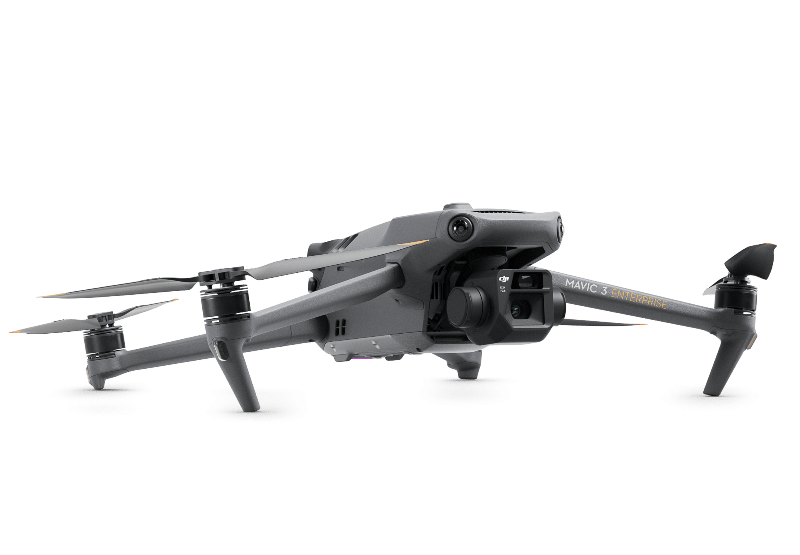
| Roof and building inspections | DJI Mavic 3 Enterprise | Zoom and mapping in a sub-2 kg body |
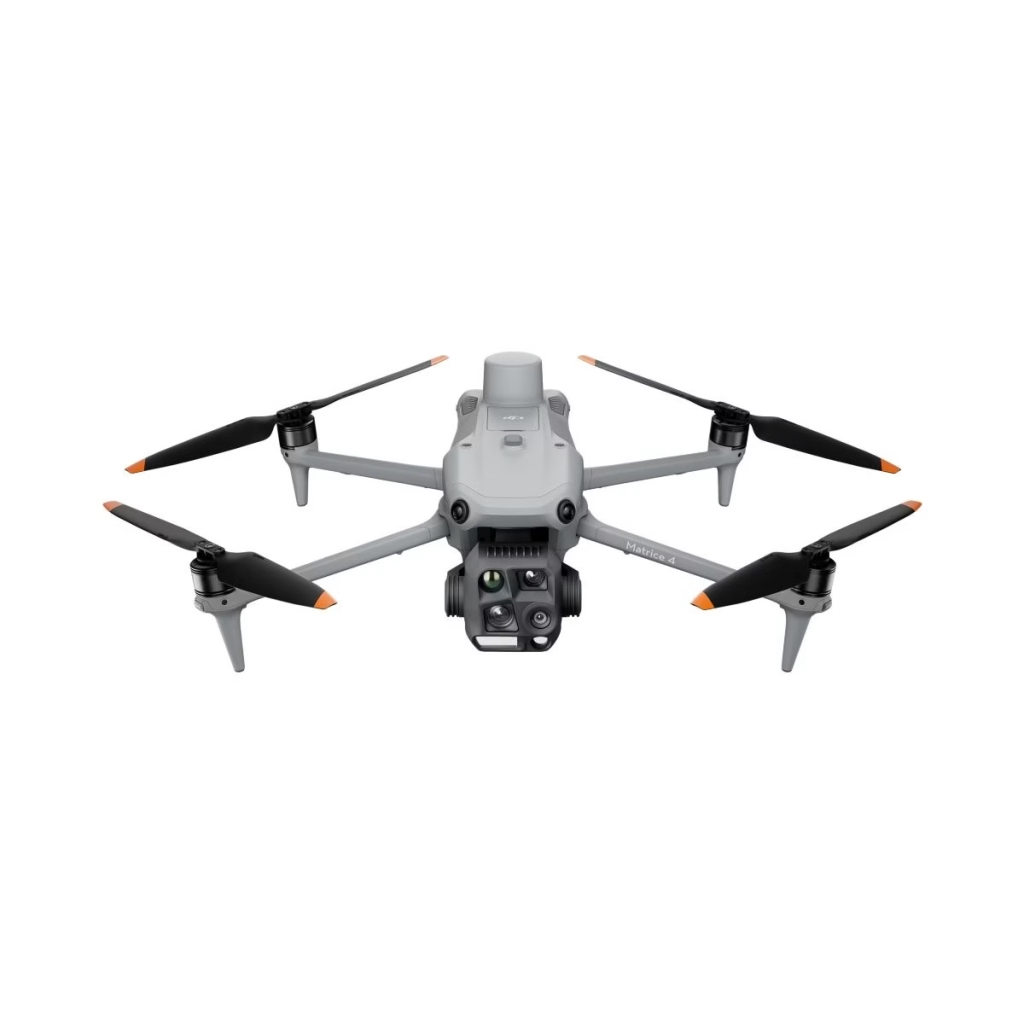
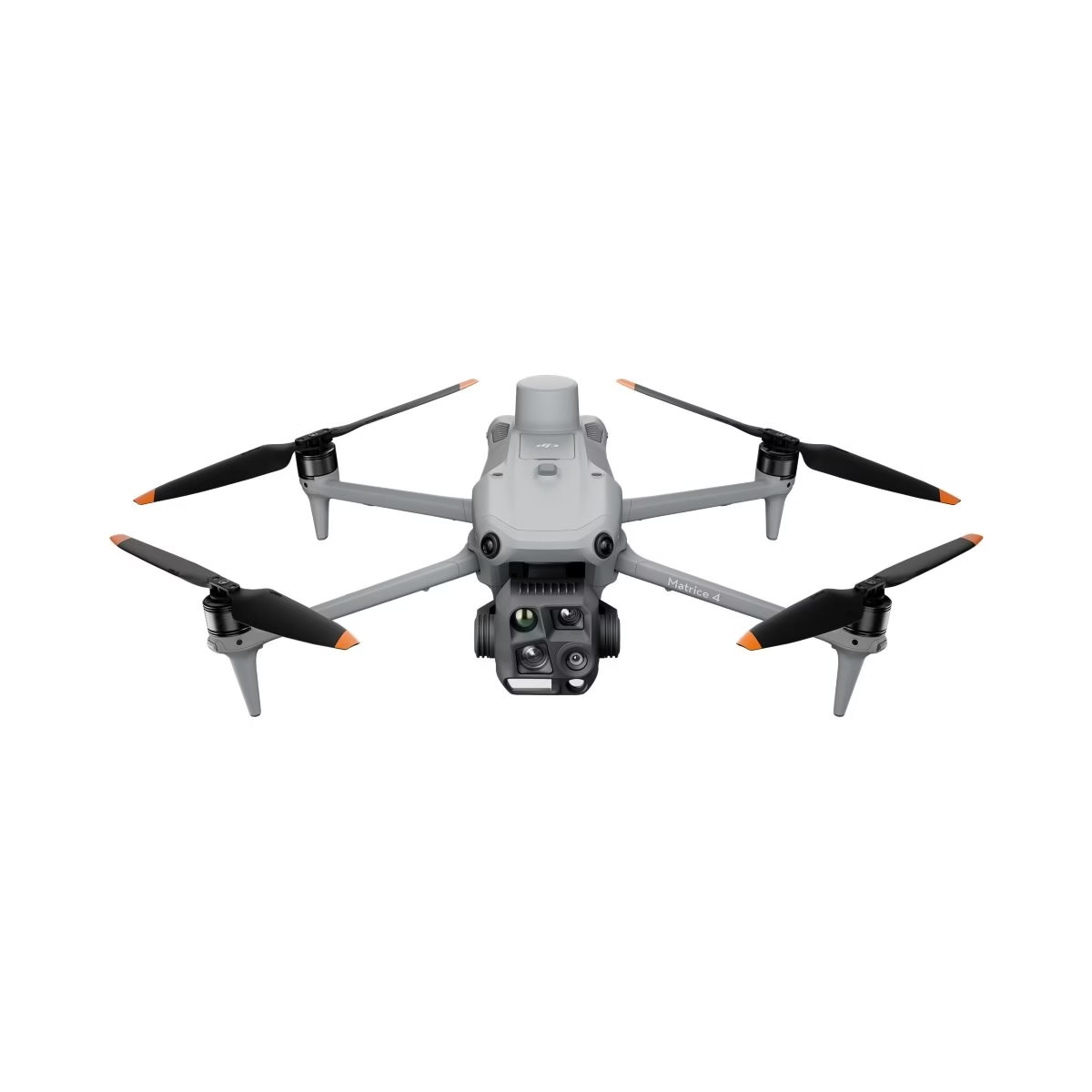
| Thermal inspections and search | DJI Matrice 4T | Thermal, zoom and laser rangefinder |
| Crop health mapping | DJI Mavic 3 Multispectral | Multispectral sensors for agriculture |
| Spraying and spreading | DJI Agras T10 | Purpose-built agricultural drone |
Starting with a sub-2 kg aircraft lets many new pilots begin paid work with accreditation, then upgrade as the business grows. Our drone buying checklist explains what to check before you pay.
Working as part of a team
Larger jobs often involve a team rather than a single pilot. A visual observer watches the airspace and surroundings, a payload operator may control the camera, and a data specialist processes results. Learning to work smoothly in a crew is a valuable skill, particularly in public safety, film and infrastructure work.
Equipment for professional drone pilots
Your equipment should match your specialty. Many pilots start with a capable sub-2 kg aircraft such as the DJI Mavic 3 Enterprise, then add thermal, zoom or heavy-lift aircraft as they grow.
Browse our enterprise drones and thermal drone guide to compare options.
How to become a drone pilot FAQ
How long does it take to become a drone pilot?
You can complete RPA operator accreditation online quickly. A RePL course typically takes several days of training, and building the experience to win regular work takes longer.
Do I need a licence to become a drone pilot?
For business flying, you need at least an RPA operator accreditation and drone registration. A RePL is needed for heavier drones and complex operations, and many employers prefer it.
Can I become a drone pilot without experience?
Yes. Many professional pilots started as hobbyists. Practise regularly, earn your credentials and build a portfolio to show clients.
What is the minimum age to become a drone pilot?
You must be 16 or older to become an accredited operator. Younger people can fly recreationally and learn skills under supervision.
Which drone pilot jobs pay the most?
Technical specialties such as surveying, inspections, agriculture and public safety tend to pay more than general photography, especially with a RePL and specialist equipment.
Is being a drone pilot a good career?
For people who enjoy technology, problem solving and working outdoors, it can be very rewarding. Demand is growing across inspection, mapping, agriculture and public safety, especially for pilots with specialist skills.
Can I become a drone pilot part-time?
Yes. Many drone pilots start part-time alongside another job, building a client base before going full-time.
Do drone pilots need to be good with computers?
Yes, to some degree. Most professional drone pilots process photos, video, maps or thermal data on a computer, so comfort with software is a big advantage.
What’s the best first step to become a drone pilot?
Buy a stable, beginner-friendly camera drone, practise regularly and learn CASA’s rules. Once you’re confident, complete your RPA operator accreditation and register your drone so you can take on simple paid jobs while you work towards a RePL.
Start your drone pilot journey
Now you know how to become a drone pilot in Australia: learn to fly, learn the rules, get accredited, earn your RePL, choose a specialty, build a portfolio and find paid work. With the right equipment and credentials, a drone can be the start of a rewarding career.
Explore camera drones, enterprise drones or the full drone shop.